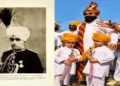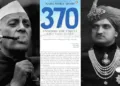
Just two years shy of scoring a century, Major General Goverdhan Singh Jamwal (retired) is someone who has seen it all. The halcyon days of Dogra dynasty when Maharaja Hari Singh ruled on the biggest kingdoms in pre-independence India. He also remembers distinctly the days of immense uncertainty that marked late 1946. First few months of 1947, the raids by Pakistanis starting on parts of Jammu as early as July 1947, and the horrific attack on large parts of Jammu & Kashmir by kabailis and Pakistani Army regulars in October 1947.
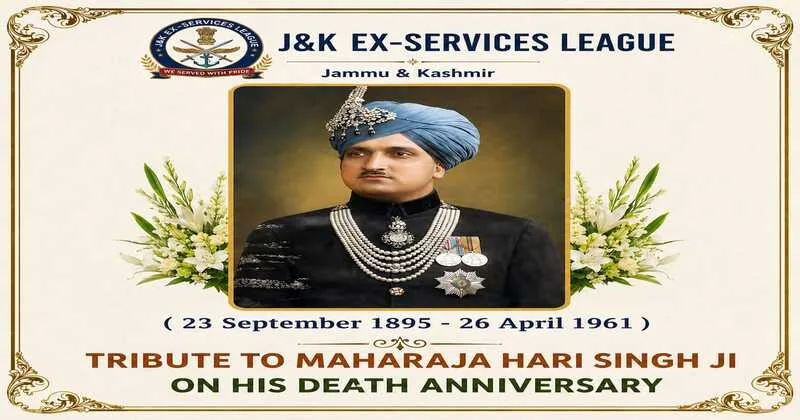
Born in September 1928, Gen Jamwal is a contemporary of Dr Karan Singh, and the best known surviving person at that. He still attends some functions organised by Dr Singh’s family and close friends at times but stays hom most of the time, reading books, meeting serving Army officers, as also politicians. He grows nostalgic every time he is asked to recount some detail of the Dogra rule. This Sunday (April 26) was no different as he paid tributes to Maharaja Hari Singh on his death anniversary.
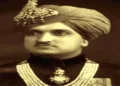
Recounting the day that unfolded in distant Mumbai, Gen Jamwal says: “I remember the day he (read Maharaja Hari Singh) passed away in Bombay and his ashes came to Jammu. The whole of Jammu was on the boil and crying. According to his last wishes his ashes were consigned to the State from the aircraft and also to the rivers of Jammu.’’
After being forced out of his beloved J&K in late 1949, it was only Maharaja Hari Singh’s ashes that returned. Gen Jamwal says: “His Exile ended that day, 12 years after he had left the State. We did not do anything for him. I always feel sad that Dogras did not do enough to remember him for years. He was the real saviour of Kashmir, indeed the State of Jammu and Kashmir, of course with the help of his State forces led by Brigadier Rajendra Singh and his 100 spartan Dogras, no less than the battles of Thermopylay of Greece.’’
Some years ago, the Union Territory (UT) administration declared the late Maharaja’s birthday as a holiday. About that episode, Gen Jamwal says: “Thank God the Yuva Rajput Sabha (YRS) got us holiday on his birthday to remember him and how he saved his State from the British engineered invasion in 1947 to save J&K from becoming part of Pakistan as part of the Great game played by Churchill. Om Sadgati.’’
A Dogra scholar, whom Gen Jamwal did not name, said in a message: “The passing of Maharaja Hari Singh Ji in Bombay and the return of his ashes to Jammu was not just an event, it was a deeply emotional moment etched in the collective consciousness of Dogras.’’
“As his ashes returned to the soil he once ruled, it felt as though his long exile had finally ended after 12 painful years. The grief that swept across Jammu was real and profound. People mourned not just a ruler, but a figure they associated with dignity, protection, and identity. His final wish to be united with his land and its sacred rivers symbolized a bond that exile could never break.’’
For decades, Maharaja Hari Singh’s immense contribution to different spheres of life remained unacknowledged. Just consider one fact of accession document of J&K to India that the late Maharaja signed.