Why Iran-US peace talks were unlikely to succeed
June 5, 2026
  • Read Ecopy
  • Circulation
  • Advertise
  • Careers
  • About Us
  • Contact Us
Android AppiPhone AppArattai
Organiser
  • ‌
  • Bharat
    • Assam
    • Bihar
    • Chhattisgarh
    • Jharkhand
    • Maharashtra
    • View All States
  • World
    • Asia
    • Europe
    • North America
    • South America
    • Africa
    • Australia
  • Editorial
  • International
  • Opinion
  • RSS @ 100
  • More
    • Op Sindoor
    • Analysis
    • Sports
    • Defence
    • Politics
    • Business
    • Economy
    • Culture
    • Special Report
    • Sci & Tech
    • Entertainment
    • G20
    • Azadi Ka Amrit Mahotsav
    • Vocal4Local
    • Web Stories
    • Education
    • Employment
    • Books
    • Interviews
    • Travel
    • Law
    • Health
    • Obituary
  • Subscribe
    • Subscribe Print Edition
    • Subscribe Ecopy
    • Read Ecopy
  • ‌
  • Bharat
    • Assam
    • Bihar
    • Chhattisgarh
    • Jharkhand
    • Maharashtra
    • View All States
  • World
    • Asia
    • Europe
    • North America
    • South America
    • Africa
    • Australia
  • Editorial
  • International
  • Opinion
  • RSS @ 100
  • More
    • Op Sindoor
    • Analysis
    • Sports
    • Defence
    • Politics
    • Business
    • Economy
    • Culture
    • Special Report
    • Sci & Tech
    • Entertainment
    • G20
    • Azadi Ka Amrit Mahotsav
    • Vocal4Local
    • Web Stories
    • Education
    • Employment
    • Books
    • Interviews
    • Travel
    • Law
    • Health
    • Obituary
  • Subscribe
    • Subscribe Print Edition
    • Subscribe Ecopy
    • Read Ecopy
Organiser
  • Home
  • Bharat
  • World
  • Operation Sindoor
  • Editorial
  • Analysis
  • Opinion
  • Culture
  • Defence
  • International Edition
  • RSS @ 100
  • Magazine
  • Read Ecopy
Home World

The chronicle of a failure foretold: Why Iran-US peace talks were unlikely to succeed even before they began

Wars often play out differently from how they are initially imagined or strategised. The Russia-Ukraine war, the Gaza conflict and now the Iran-US-Israel war have all demonstrated that reality frequently diverges from what the conflicting parties have prepared for. Most importantly, they have shown that restoring the status quo ante is a chimaera. The best outcome at the moment one can hope for is an uneasy peace, shadowed by the undertones of unresolved conflict

Ameya KulkarniAmeya Kulkarni
Apr 18, 2026, 09:00 pm IST
in World, West Asia, Analysis, Asia
Follow on Google News
FacebookTwitterWhatsAppTelegramEmail

Wars often play out differently from how they are initially imagined or strategised. The Russia-Ukraine war, the Gaza conflict and now the Iran-US-Israel war have all demonstrated that reality frequently diverges from what the conflicting parties have prepared for. Most importantly, they have shown that restoring the status quo ante is a chimaera. The best outcome at the moment one can hope for is an uneasy peace, shadowed by the undertones of unresolved conflict

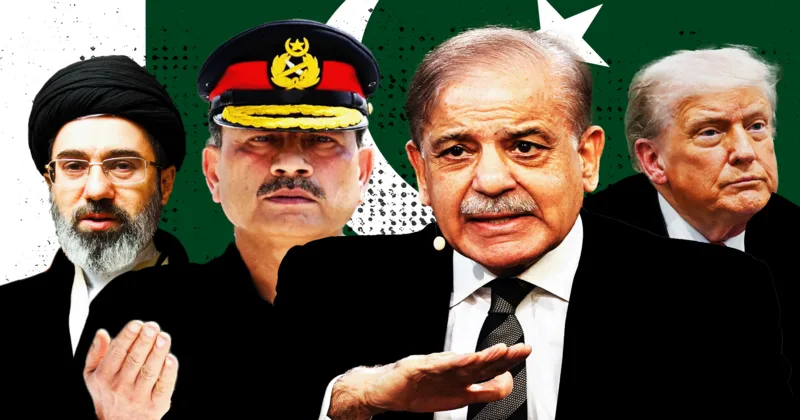
The Islamabad talks between Iran and the United States had all the ingredients of a deal doomed from the start, yet there was hope that the two sides would be able to arrive at a modus vivendi to stop the hostilities, given the destruction and loss of lives in the past month. Iran’s leadership has been successively decapitated and Washington has spent close to $30 billion without an end. Iran is battered, yet ideologically resistant and the US is heading towards the midterm elections with an inflation rate of 3.3 per cent, the highest in nearly two years. Most urgently, the choked traffic through the Strait of Hormuz underwrote the urgency for diplomacy between the warring sides. Amid this, Pakistan became the uncanny arbiter and its diplomacy culminated in talks at Islamabad, even if it delivered a failure.

Any successful post-conflict exit strategy should have at least one or more warring parties demonstrating a willingness to concede and that in turn usually flows from power asymmetries between the parties. In the US-Iran war, power asymmetry until now has largely failed to be a decisive factor in compelling either defeat or compliance because the frameworks for combat differ. The US is driven by an excessive use of force doctrine, while for Iran, it is a question of ideology, resistance, regime survival and pride rolled into one. Furthermore, both Iran and the US headed to the talks in Pakistan with maximalist demands, making an off-ramp look impossible, besides the fact that both sides continued to claim victory over the other.

Going into the talks in Pakistan, the Iranian demands in the 10-point agenda outlined a position of either a victor or a compeller through its continued control of the Strait of Hormuz. Perhaps only two of the demands laid out by Tehran appeared within the realm of possibility under the current circumstances – the removal of some international sanctions on Iran and the release of frozen Iranian assets. Needless to say, the remit of these concessions would have been decided by what the Americans got in return. Every other demand was virtually impossible under the present scenario, most prominently the withdrawal of the US military from West Asia and continued Iranian control over the Strait of Hormuz.

Also Read: Hormuz reopens after ceasefire deal, but tight controls and geopolitical uncertainty persist

The question of the Iranian right to enrich uranium, which became the apparent final nail in the coffin of a potential deal before the war, is one that is now entrenched and hyphenated with the idea of Iranian sovereignty, especially after the US-Israel attacks. There were enough signs of an unravelling deal even before the two parties arrived in Islamabad. Iran conditioned the talks on a cessation of Israeli strikes on Lebanon, as well as the unfreezing of Iranian assets held overseas before the war. While Trump may have used his leverage with Netanyahu to intermittently halt strikes on Lebanon, the release of overseas assets was too large an ask as a precondition.

And for Israel, this may represent its last opportunity to escalate before a lasting peace, if such a thing remains achievable, as also a point of difference from Washington. Perhaps the only good thing to come out of the Iran-US talks is the climb-down of both parties from a tone that evoked open hostility to one that is merely accusatory. Iran has accused the US of looking for an excuse to leave the talks, hinting that Tehran may still be open to negotiations, while J D Vance departed with an apparent final offer on the table for Iran to consider. Meanwhile, the transit of two US naval vessels through the Strait of Hormuz for demining operations, even as talks were ongoing, is a sign that both Iran and the US and indeed the wider region and the world, now face the prospect of mined waters in the Gulf.

Demining efforts, both on land and at sea, are likely to prove among the most challenging undertakings in restoring normalcy of traffic and security in the Strait. What consequences this holds for oil and energy markets remains to be seen. Wars often play out differently from how they are initially imagined or strategised. The Russia-Ukraine war, the Gaza conflict and now the Iran-US-Israel war have all demonstrated that reality frequently diverges from what the conflicting parties have prepared for. Most importantly, they have shown that restoring the status quo ante is a chimaera. The best outcome at the moment one can hope for is an uneasy peace, shadowed by the undertones of unresolved conflict.

Topics: Peace TalksWest Asia CrisisIranIsraelUSAceasefireUS President Donald Trump
ShareTweetSendShareSend
✮ Subscribe Organiser YouTube Channel. ✮
✮ Join Organiser's WhatsApp channel for Nationalist views beyond the news. ✮
Previous News

Iringole Kavu: A living forest grove and ancient Maa Durga Mandir preserving Kerala’s spiritual heritage

Next News

Standoff over Nari Shakti Vandan Adhiniyam: PM Modi slams Congress, TMC, DMK & Samajwadi party for being anti-women

Related News

India seals robust 7.7% GDP Growth in FY26: Reflects economic resilience amid West Asia crisis & other global headwinds

As fuel shortages rippled across Asia, New Delhi expanded supplies to its neighbours while Beijing sought to turn energy security into strategic influence.

The Hormuz Test: How India’s energy assistance outshines China’s conditional approach

European Commission President Ursula von der Leyen, Chinese President Xi Jinping and US President Donald Trump

Trade Barriers, AI Battles and Military Containment: The European-US strategic front against China takes shape

PM Modi’s 2025 Oman visit marked a major diplomatic breakthrough as India and Oman signed the landmark CEPA, strengthening New Delhi’s strategic, economic and energy footprint in a turbulent West Asian region

India-Oman CEPA Comes Into Force: A positive-sum partnership amid Gulf crisis and global economic turmoil

Iran President Masoud Pezeshkian and Supreme Leader Mojtaba Khamenei

West Asia Conflict: Did Iran President Masoud Pezeshkian offer resignation owing to the iron fist of IRGC & theocracy?

External Affairs Minister Dr. S. Jaishankar and US Secretary of State Marco Rubio(File Photo)

Marco Rubio India Visit: New Delhi scripts strategic autonomy as US pushes transactional Indo-Pacific agenda

Load More

Latest News

Union Home Minister Amit Shah addressing BSF personnel at the Lankamura Border Outpost along the India-Bangladesh border in West Tripura district on June 5, 2026

Amit Shah at Bangladesh Border: “India will have an impregnable security grid soon”

India slams Pakistan’s bid to hold elections in Gilgit-Baltistan, demands end to illegal occupation

Maharashtra government approves central wage structure for Pune Metro Contract Workers; Major victory for BMS

India seals robust 7.7% GDP Growth in FY26: Reflects economic resilience amid West Asia crisis & other global headwinds

A representative image

After TCS, Corporate Jihad allegations reach SBI: Married Hindu employee conversion claims trigger FIR in Mumbai

MEA spokesperson Randhir Jaiswal highlights India's resolve to deport illegal Bangladeshi migrants via bilateral mechanisms

India reiterates strong resolve to deport illegal Bangladeshis; Flags delay of bilateral procedures from Dhaka

Kerala HC rejects CMRL appeal, clears way for ED probe against Pinarayi Vijayan’s daughter in money laundering case

Uttar Pradesh leads in Bharat's green transformation

World Environment Day 2026: On his birthday, Yogi Adityanath’s green vision powers Uttar Pradesh’s transformation

As Khalistani networks seek new platforms beyond the West, Azerbaijan has emerged as a key venue for conferences, campaigns and narratives aligned with the Pakistan-Turkey axis against India.

Khalistan’s New Grazing Ground: Azerbaijan emerges as new hub for Turkey-Pakistan backed anti-India networks

Kochi IPL Mystery: Why Did Sunanda Pushkar Surrender Stake Amid Benami Claims Tied to Shashi Tharoor, Sonia Gandhi?

Kochi IPL Mystery: Why Did Sunanda Pushkar Surrender Stake Amid Benami Claims Tied to Shashi Tharoor, Sonia Gandhi?

Load More
  • Privacy
  • Terms
  • Cookie Policy
  • Refund and Cancellation
  • Delivery and Shipping

© Bharat Prakashan (Delhi) Limited.
Tech-enabled by Ananthapuri Technologies

  • Home
  • Search Organiser
  • Bharat
    • Assam
    • Bihar
    • Chhattisgarh
    • Jharkhand
    • Maharashtra
    • View All States
  • World
    • Asia
    • Africa
    • North America
    • South America
    • Europe
    • Australia
  • Editorial
  • Operation Sindoor
  • Opinion
  • Analysis
  • Defence
  • Culture
  • Sports
  • Business
  • RSS @ 100
  • Entertainment
  • More ..
    • Sci & Tech
    • Vocal4Local
    • Special Report
    • Education
    • Employment
    • Books
    • Interviews
    • Travel
    • Health
    • Politics
    • Law
    • Economy
    • Obituary
  • Subscribe Magazine
  • Read Ecopy
  • Advertise
  • Circulation
  • Careers
  • About Us
  • Contact Us
  • Policies & Terms
    • Privacy Policy
    • Cookie Policy
    • Refund and Cancellation
    • Terms of Use

© Bharat Prakashan (Delhi) Limited.
Tech-enabled by Ananthapuri Technologies