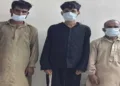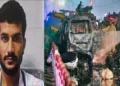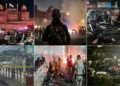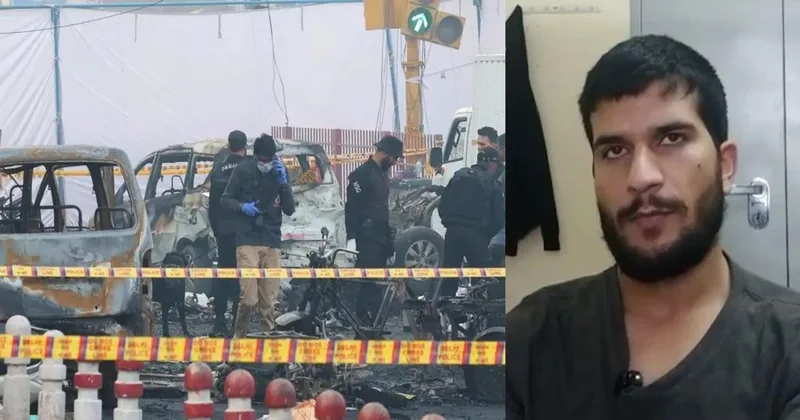
On April 16, the State Investigation Agency (SIA) of the J&K Police filed a chargesheet against 10 individuals allegedly involved in the “Doctors Terror Module” linked to Al Falah University in Faridabad, which was connected to the bomb blast near Delhi’s Red Fort. The case stems from an FIR registered at the Nowgam Police Station in Srinagar.
Major Update by State Investigating Agency, Kashmir (SIA) chargesheet filed in Delhi Red Fort involving Doctor Modules.
Statements mentions of extremism Propaganda were being disseminated via digital platforms.
Also TATP was identified as the preferred material because of… pic.twitter.com/MXMmsnRvbJ
— Sougat Chakraborty (@sougat18) April 16, 2026
The accused have been identified as Arif Nisar Dar, Yasir Ul Ashraf Bhat, Maqsood Ahmad Dar, Irfan Ahmad Wagay alias Owais, Zameer Ahmad Ahanger alias Mutlashi, Muzamil Shakeel Ganaie alias Musaib, Dr Adeel Ahmad Rather alias Javaid, Dr Shaheen Saeed, Tufail Ahmad Bhat, and Dr Umar Un Nabi, who is identified as the suicide bomber in the bomb blast near Red Fort.
Radicalisation, Recruitment and Revival of Terror Network
The case dates back to an incident on 19-10-2025, when provocative and threatening posters linked to the banned terrorist organisation Jaish-e-Mohammad (JeM) were found pasted in the Nowgam area. According to officials, the posters were intended to spread fear among the public, disturb peace and order, and challenge India’s sovereignty and territorial integrity.
A detailed and ongoing investigation revealed that the poster campaign was part of a larger, pre-planned terrorist conspiracy aimed at reviving the outlawed outfit Ansar Ghazwat-ul-Hind (AGUH). The accused allegedly formed a highly secretive group engaged in recruitment, radicalisation, and operational planning for terror activities across the country.
Investigators further found that the group was working covertly to re-establish and expand AGUH while deliberately using the JeM name to exploit its notoriety and create psychological impact. This, officials said, was a deliberate strategy to mislead security agencies and conceal their actual objectives.
Evidence Trail, Explosives Handling and Ongoing Investigation
The probe also revealed that the module consisted of highly educated individuals, including medical professionals, who allegedly misused their expertise, access, and institutional environments for unlawful activities. They were reportedly involved in spreading extremist propaganda through digital platforms and in acquiring materials and conducting preliminary experiments related to explosive fabrication, including within residential premises and facilities linked to Al-Falah Medical College/University.
Authorities stated that Triacetone triperoxide (TATP), a highly unstable explosive used in several global terror incidents, was identified as a preferred material due to the ease of obtaining its precursor substances. The accumulation of explosive materials and precursors was described as alarming, highlighting the scale of preparation and the potential for major destruction had the network not been uncovered in time.
Officials further noted that a thorough, evidence-based investigation led to the dismantling of the entire terror module and its support system. The findings reportedly include recoveries, digital forensic data, scientific analysis, and witness statements that collectively establish the involvement and coordinated roles of all accused.
The inter-state terror conspiracy involving Kashmiri Muslim doctors was exposed last year, with authorities recovering nearly 3,000 kilograms of explosives and weapons during the course of the investigation, which is still ongoing, with several arrests made.