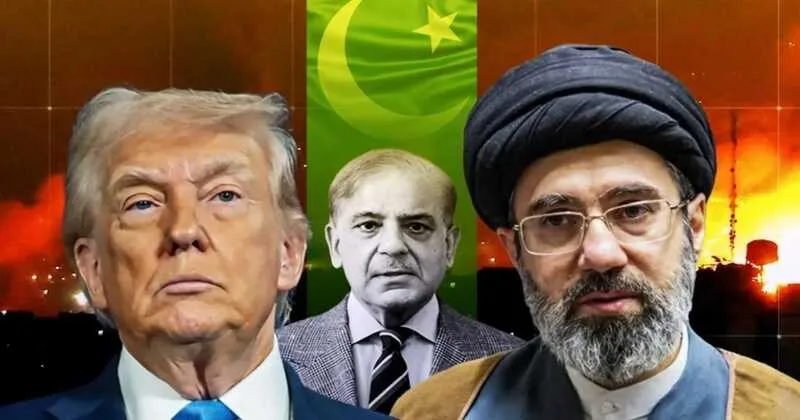
Washington: Efforts to broker a ceasefire between the United States and Iran have hit a firm wall, with Tehran refusing to participate in proposed talks, dealing a sharp blow to regional mediation attempts, particularly those championed by Pakistan. According to a report by The Wall Street Journal, diplomatic outreach led by regional countries has effectively collapsed, exposing both the fragility of the process and the limits of Islamabad’s ambitions to position itself as a credible intermediary. “Iran has officially told mediators that it is unwilling to meet US officials in Islamabad and that US demands are unacceptable,” the report noted. This categorical refusal underscores a deepening impasse, with Tehran unwilling to engage under terms it considers unreasonable.
Islamabad’s mediation push falls flat
Pakistan had attempted to insert itself into the high-stakes geopolitical crisis, offering to host talks and facilitate dialogue between Washington and Tehran. Foreign Minister Ishaq Dar had earlier stated that Islamabad would be “honoured to host and facilitate meaningful talks,” projecting confidence in Pakistan’s ability to bridge the divide.
However, this diplomatic overture now appears increasingly hollow. Iran has not only declined participation but has also distanced itself from any suggestion that it was part of Pakistan-led initiatives. In a pointed remark, Tehran made it clear that “Pakistan’s forums are their own; we didn’t participate.” The statement is a direct embarrassment for Islamabad, which had sought to elevate its international standing through mediation. Instead, its efforts have been reduced to what critics describe as overreach, attempting to play broker in a conflict where it holds little real leverage. Despite Pakistan’s enthusiasm, the absence of buy-in from key stakeholders has rendered its role largely symbolic. The failure highlights a recurring pattern where Islamabad’s attempts at diplomatic relevance struggle to translate into tangible outcomes.
Iran rejects ‘unrealistic’ US demands
At the heart of the breakdown lies Iran’s firm rejection of what it calls excessive and irrational demands from the United States. Tehran reportedly received a 15-point proposal from the administration of US President Donald Trump but dismissed it outright as “excessive, unrealistic and irrational.”
Iranian Foreign Ministry spokesperson Esmail Baghaei reiterated that there are no direct talks with Washington. Instead, communication has been limited to messages conveyed through intermediaries, channels that, according to Tehran, have only delivered unacceptable conditions. Baghaei also pushed back against narratives suggesting Iran’s involvement in Pakistan-facilitated dialogue. In a statement shared by Iran’s Consulate General in Mumbai, he clarified that Tehran had “no role” in such initiatives. While acknowledging regional calls for de-escalation, he added a sharp reminder: “One must remember who started it.”
Meanwhile, President Trump had earlier struck an optimistic tone, claiming that the United States was “doing extremely well in that negotiation,” though he provided no specifics. The contrast between Washington’s public confidence and Tehran’s outright rejection further highlights the disconnect between the two sides. The collapse of these mediation efforts leaves the prospect of a ceasefire increasingly uncertain. Pakistan’s attempt to act as a go-between, once projected as a diplomatic opportunity, now risks being seen as a miscalculated bid for relevance in a conflict far beyond its influence. With Iran refusing direct engagement and dismissing US proposals, and with intermediaries failing to bridge the gap, the path to de-escalation appears more elusive than ever.