The Election Commission of India set the stage for the 2026 electoral cycle on March 15, announcing the schedule for Assembly elections in key states including Assam, Kerala, Puducherry, Tamil Nadu and West Bengal, along with bye-elections in six other states. With the announcement, the Model Code of Conduct came into immediate effect, triggering strict regulatory oversight across all poll-bound regions.
The Commission directed all State and Union Territory governments to ensure full compliance with election norms, emphasizing that the integrity of the electoral process must be maintained at all costs.
In the days following the announcement, the Commission held a comprehensive review meeting involving Chief Secretaries, Directors General of Police, Chief Electoral Officers and senior officials from both poll-bound states and their neighboring regions. The meeting also included heads of key enforcement agencies.
Held on March 24, the review focused on preparedness, inter-agency coordination and strategies to prevent electoral malpractices. The Commission reiterated its commitment to ensuring elections that are free from violence, intimidation and inducements, reflecting growing concerns over the use of illicit means to influence voters.
Seizures cross Rs 408 crore in nationwide crackdown
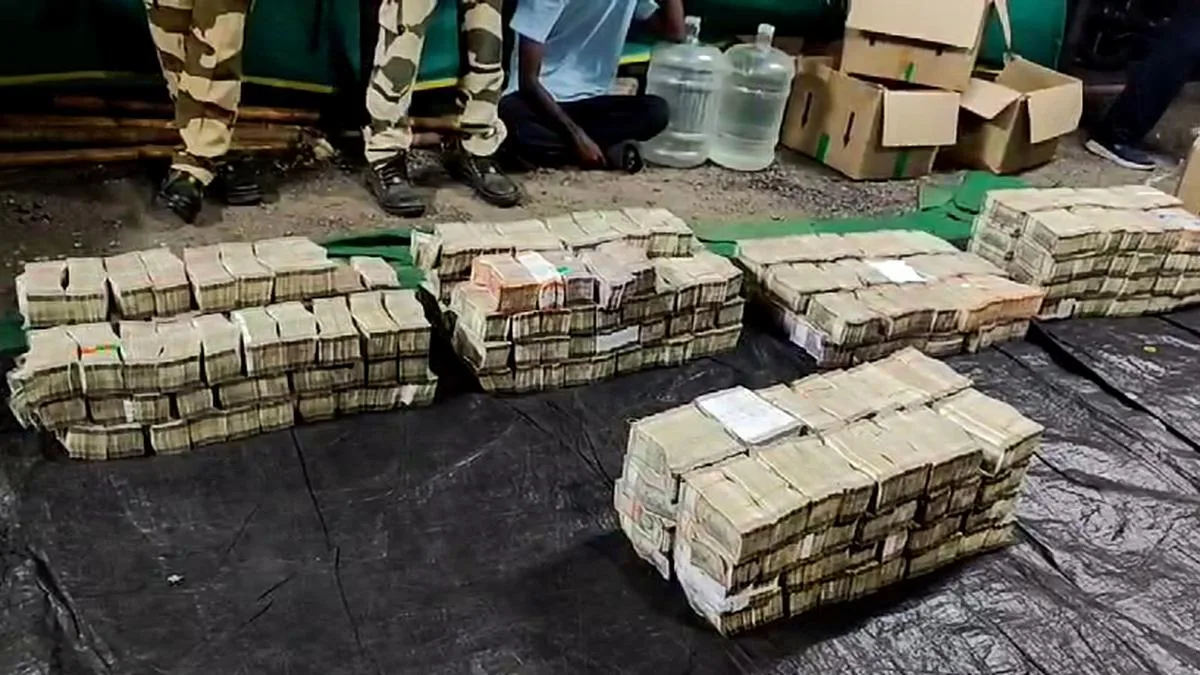
One of the most striking outcomes of this intensified enforcement has been the massive seizure of illicit materials. Since the activation of the Electronic Seizure Management System on February 26, authorities have confiscated goods worth over Rs 408.82 crore as of March 25.
This includes Rs 17.44 crore in cash, liquor valued at Rs 37.68 crore amounting to over 16.3 lakh litres, and drugs worth Rs 167.38 crore. In addition, precious metals worth Rs 23 crore and other inducements such as freebies valued at more than Rs 163.30 crore have also been seized.
These figures highlight the scale at which inducement-based electoral practices are being targeted and curbed through coordinated efforts by multiple enforcement agencies.
To strengthen ground-level enforcement, over 5,173 flying squads have been deployed across the poll-bound states and Union Territories. These teams are tasked with rapid response operations, ensuring that any complaints or violations are addressed within a strict 100-minute window.
Alongside them, more than 5,200 Static Surveillance Teams have been stationed at strategic locations, conducting surprise checks and setting up nakas to monitor the movement of cash, liquor and other prohibited items.
This dual-layered surveillance mechanism is designed to create a robust deterrent against electoral malpractice while maintaining constant vigilance throughout the election period.
While intensifying enforcement, the Commission has also issued clear instructions to authorities to ensure that ordinary citizens are not harassed or inconvenienced during checks and inspections. Recognising concerns about excessive scrutiny, District Grievance Committees have been established to address complaints related to enforcement actions.
Technology-driven monitoring through C-Vigil
The Election Commission has increasingly relied on technology to enhance transparency and responsiveness. The C-Vigil mobile application, integrated with ECINET, has emerged as a key tool for reporting Model Code of Conduct violations in real time.
Between March 15 and March 25, a total of 70,944 complaints were registered through the app across election-bound states and Union Territories. Of these, 70,831 complaints have already been resolved, with an impressive 95.8 percent addressed within the mandated 100-minute timeframe.
This rapid redressal mechanism underscores the effectiveness of technology-driven monitoring systems in ensuring accountability and swift action.
In addition to the digital platform, the Commission has also strengthened its grievance redressal infrastructure through dedicated call centres. Citizens and political parties can report violations by dialing the helpline number 1950, ensuring wider accessibility and participation in the electoral process.
District Election Officers and Returning Officers are tasked with addressing these complaints promptly, reinforcing the Commission’s commitment to transparency and inclusivity.
A crucial electoral phase for India
The 2026 Assembly elections across major states are being closely watched, not only for their political significance but also for the scale of administrative preparedness and enforcement measures being deployed.
The unprecedented volume of seizures and the extensive deployment of surveillance teams signal a proactive approach by the Election Commission to curb malpractices and uphold democratic values.
As the electoral process unfolds, the focus remains firmly on ensuring that the mandate of the people is expressed freely, without undue influence or coercion.
The seizure of over Rs 400 crore in illicit inducements within a short span reflects both the challenges and the determination of authorities in safeguarding electoral integrity. With a combination of technology, manpower and strict oversight, the Election Commission is attempting to set a benchmark for clean and transparent elections.