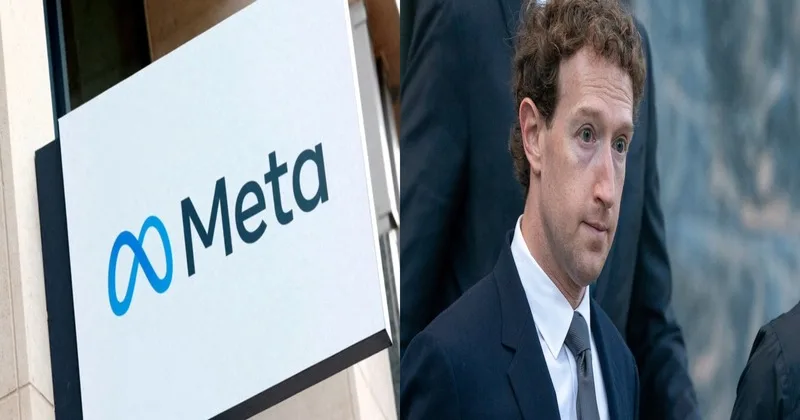
The Meta tech giant which owns and regulates several social media platforms including FaceBook, Instagram, Threads etc. have been severely slammed by the jury of New Mexico, a state in the Southwestern region of the United States. The jury has sued the Meta platform for deliberately and knowingly concealing the child sexual abuse content on its social media platforms. Such an irresponsible action by the Meta has indeed caused harm to the mental health of the young content consumers, the New Mexico jury further noted.
The Meta platform has been held liable under the child safety lawsuit after nearly seven-weeks of trial and deliberation. The case was brought to the New Mexico court by the state attorney general. The jury found that Meta had violated the Consumer Protection Law of the New Mexico state. Thus, the tech giant has imposed a penalty of USD 375 million. However, the prosecutors assert that USD 375 million is just a fraction of the USD 2.2 billion penalty that they intended to impose on Meta given the scale and intensity of violations committed by the platform.
New Mexico jury verdict on Meta’s practices
This is the maiden time that Meta has been sued for child exploitation. However, another jury in the California federal court has been interrogating Meta in a similar case for over a week now. They are deliberating whether Meta has to be sued and held accountable for its violations of legal protocols. The jury of New Mexico agreed with the state prosecutors about the false claims or statements ascertained by Meta regarding the child safety norms and measures on its platforms. The jury also acknowledged that Meta was involved in “unconscionable” trade practices and took unfair advantage of the vulnerability, innocence and inexperience of children.
The jury further noted that there were thousands of such violations committed by Meta each summing up to USD 375 million penalty. Speaking about the maiden verdict against Meta with respect to child rights and safety exploitation, the Attorney General of New Mexico Raul Torrezz stated that the verdict is a “historic victory for every child and family who has paid the price for Meta’s choice to put profits over kids’ safety”. “The substantial damages the jury ordered Meta to pay should send a clear message to big tech executives that no company is beyond the reach of the law”, the attorney general further added.
However, one among the jury members reiterated that the jury compromised on the estimated number of teenagers affected by Meta’s platforms. Instead, they opted for the maximum penalty per violation which is USD 5,000. Post the verdict, the Meta stocks were dwindling owing to shareholders’ apathy towards the penalty. Currently, the Meta stocks are valued at USD 1.5 trillion. The second phase of the trial will commence in May where a single-judge bench will determine whether Meta’s social media platforms should pay for public programmes to address and compensate for the harm committed.
Attorney General Torrez also said that his office will pressurize the court to force Meta to make changes in the verdict and impose additional penalties on the tech giant during the second phase of the trial. Meta is entangled in thousands of similar lawsuits across the globe for intentionally designing their products to attract and make young people addictive. This has indeed led to a nationwide mental health crisis. Some of these lawsuits demand tens of billions of dollars in compensation. On the other hand, many countries across the globe are considering measures to completely ban social media for children(people below 16 years of age), so that the vulnerable age group is kept safe and mentally healthy.
However, the Meta tech giant has rejected the verdict of the New Mexico jury and stated that it will appeal against the judgement. “We work hard to keep people safe on our platforms and are clear about the challenges of identifying and removing bad actors or harmful content. We will continue to defend ourselves vigorously and we remain confident in our record of protecting teens online”, the Meta Spokesperson stated.