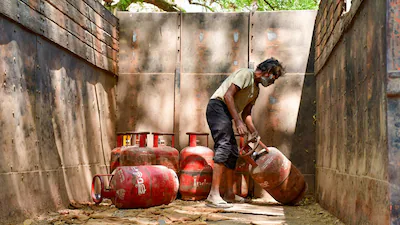
The Ministry of Petroleum and Natural Gas has directed that households in areas with PNG connectivity must shift from LPG within a period of three months. According to the order, LPG supply “shall cease after three months” if consumers do not opt for PNG despite availability.
The directive forms part of the Natural Gas and Petroleum Products Distribution Order, 2026, which seeks to expand pipeline infrastructure and ensure better utilisation of energy resources across the country.
The government has emphasised that the move is aimed at promoting fuel diversification and energy security, especially at a time when global LPG supply chains are facing disruptions due to geopolitical tensions in West Asia.
PNG, which is supplied through pipelines directly to households, offers continuous availability and eliminates the need for cylinder bookings and storage. Officials believe that increased PNG adoption will ease pressure on LPG demand and improve supply in underserved regions.
A key objective of the policy is to free up LPG cylinders in regions where PNG infrastructure is already in place. These freed-up supplies will then be diverted to rural and remote areas where pipeline connectivity is not yet available.
The government has clarified that LPG supply will continue in cases where providing PNG connectivity is technically not feasible. In such instances, an authorised entity will issue a No-Objection Certificate (NOC), allowing households to continue using LPG.
Authorities will maintain records of such cases and may review them if pipeline access becomes possible in the future.
To ensure smooth rollout, the order mandates time-bound approvals for pipeline installation. Housing societies and local authorities must grant permissions within three working days, while last-mile PNG connections are to be provided within 48 hours.
If approvals are delayed, they may be treated as “deemed granted,” preventing administrative bottlenecks. The Petroleum and Natural Gas Regulatory Board has been designated as the nodal body to monitor implementation and ensure compliance.
Additionally, authorised entities are required to begin pipeline work within four months of receiving approvals, failing which penalties may be imposed.
The order also provides for a structured dispute resolution system. Designated officers have been granted powers similar to those of a civil court to resolve issues related to land access and right of way for pipeline laying.
Amid confusion and circulating claims, the government has categorically stated that no changes have been made to LPG refill booking rules. Existing timelines, 25 days in urban areas and 45 days in rural areas, remain unchanged.
The Ministry has urged citizens not to believe misinformation or engage in panic booking, assuring that adequate LPG stocks are available nationwide.