In a significant move aimed at calming public anxiety, the Ministry of Petroleum and Natural Gas has clarified that there are no immediate plans to increase petrol and diesel prices despite global uncertainty.
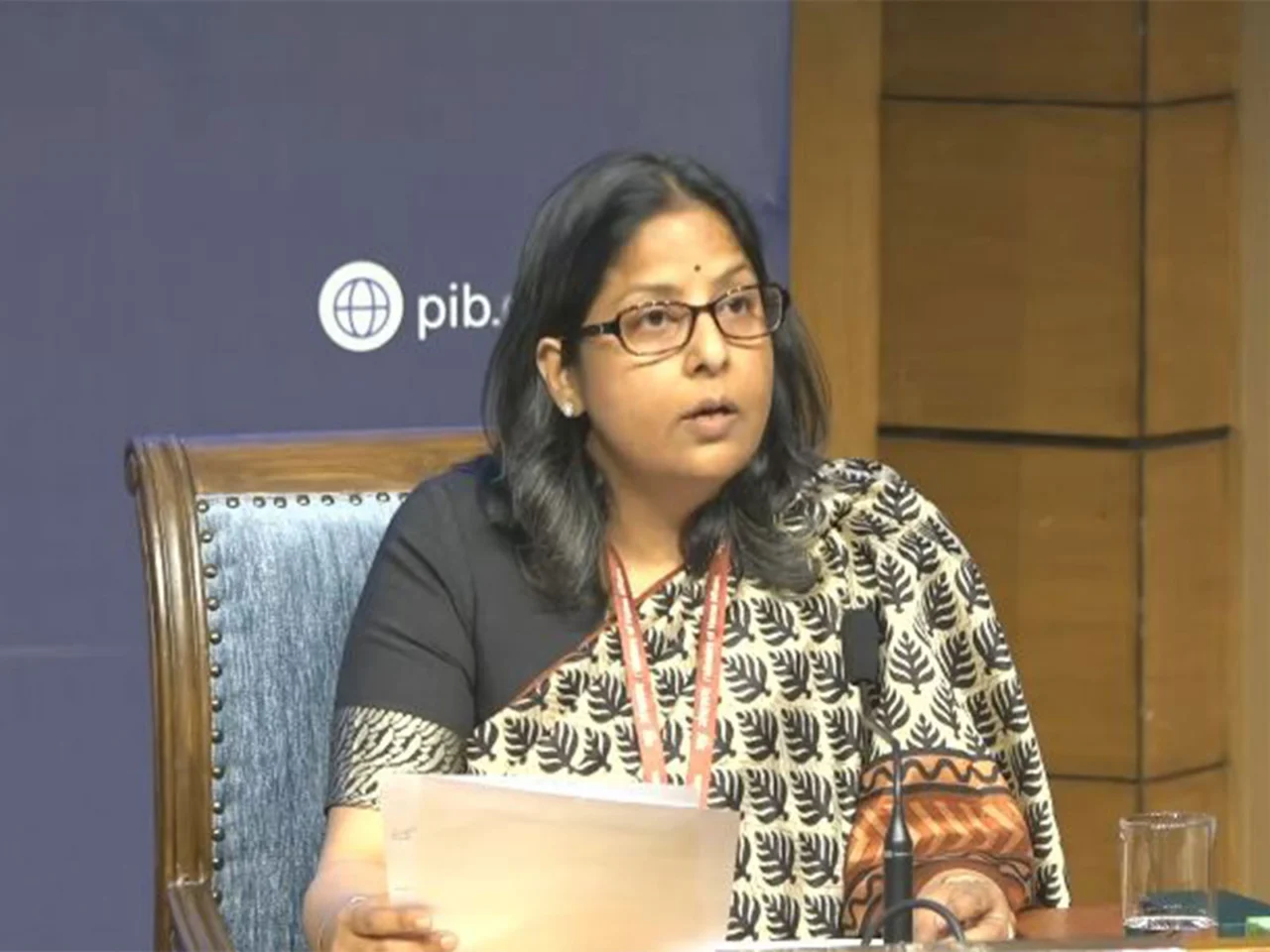
Speaking during an inter-ministerial briefing, Sujata Sharma, Joint Secretary in the ministry, stated unequivocally, “The central government does not have plans to increase petrol and diesel prices.” Her remarks come at a time when international crude markets are witnessing sharp volatility due to the ongoing geopolitical tensions involving Iran, Israel, and the United States.
The escalating crisis in West Asia has heightened fears of disruption in global oil supply chains, particularly through the strategically crucial Strait of Hormuz, a narrow maritime passage that facilitates nearly 20 per cent of the world’s oil shipments. Any instability in this region could trigger a ripple effect across global energy markets.
However, Indian oil marketing companies are, for now, absorbing part of the price volatility to prevent sudden shocks for domestic consumers, ensuring temporary stability in fuel prices.
India diversifying energy sources
Amid rising uncertainty, the government has emphasized its strategy to diversify energy imports. Highlighting preparedness, Sujata Sharma noted that India has expanded its sourcing of gas, including increased imports from the United States. This diversification is aimed at reducing dependence on conflict-prone regions and ensuring continuity in fuel supply, even in the face of global disruptions. The move reflects a broader long-term strategy to insulate the Indian energy market from geopolitical shocks.
LPG prices rise, household budgets under pressure
While petrol and diesel prices remain unchanged, the same relief has not extended to cooking gas. Domestic LPG prices have witnessed a notable increase, with the cost of a 14.2 kg cylinder rising by ₹60 on March 7, 2026. In Delhi, prices jumped from Rs 853 to Rs 913, an increase of around 7 per cent. This hike has added to the financial burden on households, particularly in urban areas already dealing with inflationary pressures. Additionally, commercial LPG cylinders (19 kg), widely used by restaurants and small businesses, have become more expensive, with prices increasing by Rs 115 to Rs 144, pushing the Delhi rate to Rs 1,884.50.
The government has acknowledged ongoing concerns regarding LPG supply. Sharma admitted, “LPG is a concern… but at the same time we have to look for alternative means,” pointing towards options such as induction cooking. This signals a gradual push towards diversifying household energy consumption patterns, especially in the face of supply uncertainties linked to global developments.
Relief for Ujjwala beneficiaries
Despite the price hike, some relief continues for economically weaker sections. Beneficiaries under the Pradhan Mantri Ujjwala Yojana are still receiving a subsidy of ₹300 per cylinder, which is directly transferred to their bank accounts. While this does not fully offset the increase, it provides partial financial cushioning to eligible households.
In contrast to LPG, Compressed Natural Gas (CNG) prices have remained stable following a modest hike earlier in 2026. This stability offers some relief to millions of vehicle owners, particularly in metro cities where CNG is a primary fuel for public and private transportation.
Encouragingly, India’s gas supply situation has begun to stabilise. Improved shipment flows through the Strait of Hormuz have eased earlier concerns, and authorities remain optimistic that LPG availability will improve further in the coming weeks.
While global uncertainties persist, the government’s current approach suggests a careful balancing act between shielding consumers and managing external risks.