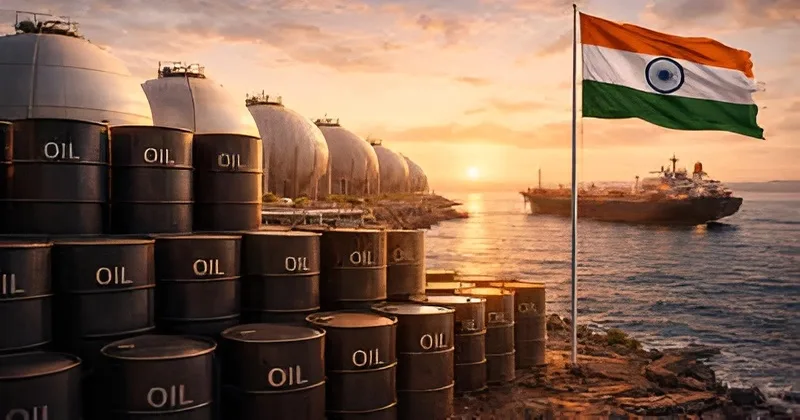
Amid ongoing war-like tensions in West Asia, some sections of the opposition are attempting to stoke panic around fuel shortages and price spikes in India. However, facts demonstrate that the country’s energy framework is robust, resilient, and designed to shield consumers from global volatility. With India importing nearly 88 per cent of its crude oil, energy security remains central to macroeconomic stability. Recognising potential risks from conflicts, sanctions, supply disruptions, and price shocks, the government has implemented a comprehensive strategy based on the energy “trilemma”: availability, affordability, and sustainability.
Amid the war-like situation in West Asia, sections of the opposition are running a misinformation campaign to create panic around fuel shortages and price spikes. There is no need to be swayed.
With India importing nearly 88% of its crude oil, energy security is central to… pic.twitter.com/n2sLqsZlFF
— Amit Malviya (@amitmalviya) March 4, 2026
Diversification of Crude Supply
India has significantly diversified its crude imports, reducing dependency on any single region:
* Today, India imports crude from over 40 countries, including the USA, Russia, Brazil, Guyana, and several African nations.
* After 2022, discounted Russian crude imports increased from less than 1 per cent to approximately 35 per cent, cushioning domestic prices against global fluctuations.
* Long-term agreements are being negotiated with emerging producers like Guyana to further diversify supply.
* Domestic consumers have been shielded from global price spikes through targeted excise duty reductions.
Fuel Price Comparison (Delhi | Feb 2022 → Feb 2026):
* Petrol: Rs 95.41 → Rs 94.77 (–0.67 per cent)
* Diesel: Rs 86.67 → Rs 87.67 (+1.15 per cent)
While many countries experienced sharp double-digit price increases, India successfully maintained stability.
Strategic Petroleum Reserves & Inventory Buffer
India has developed substantial strategic petroleum reserves and inventory buffers to safeguard against potential disruptions. The country maintains 25 days of crude oil inventory alongside an additional 25 days of petrol and diesel reserves, providing a total coverage of approximately seven to eight weeks of fuel. Notably, only around 40 per cent of India’s crude passes through the Strait of Hormuz, which further mitigates geopolitical risk. In the event of emergencies, export restrictions can extend this coverage by an additional ten days. LPG reserves are maintained at 18 days, with the capacity to extend by 15 more days if needed. During supply disruptions, priority allocation ensures that PNG households and CNG transport continue to receive uninterrupted supply. This comprehensive inventory strategy enables India to maintain consistent fuel availability even amid global crises.
Refining Capacity Expansion
India is not just a major crude importer but a refining powerhouse:
* 3rd largest crude importer globally
* 4th largest refiner
* 5th largest exporter of petroleum products
* Integrated refineries allow processing of diverse crude grades, enhancing resilience.
LPG: Affordable Cooking Energy for All
The Pradhan Mantri Ujjwala Yojana (PMUY) has been pivotal in providing clean cooking fuel:
* Over 10.53 crore LPG connections were provided, increasing coverage from ~55 per cent in 2014 to near-universal.
* LPG distributors increased from ~13,900 to 25,000+ outlets.
* Despite a 16 per cent rise in the Saudi CP benchmark (Nov 2025–Feb 2026), domestic LPG prices remained unchanged.
* Effective PMUY price: Rs 553 per cylinder
* Cooking cost for a PMUY household: ~Rs 7.31 per day
India’s LPG prices remain among the lowest globally, ensuring energy affordability for all citizens.
Natural Gas and CGD Expansion
India has rapidly expanded its natural gas infrastructure and city gas distribution (CGD) network. The pipeline grid has grown from 15,000 km to approximately 26,000 km, while PNG connections now exceed 1.6 crore. There are 8,500 operational CNG stations and eight LNG terminals with a combined capacity of 52.7 MMTPA. CGD networks now cover hundreds of districts, ensuring that cleaner, affordable energy reaches households and industries alike.
Ethanol and Biofuels Push
India has made remarkable progress in ethanol blending, achieving its targets ahead of schedule. Ethanol blending has risen from around 1.5 per cent in 2014 to approximately 20% today. Between 2014 and January 2026, this initiative has resulted in Rs 1.66 lakh crore in foreign exchange savings, a reduction of 851 lakh tonnes of CO₂ emissions, and crude oil substitution of 283 lakh tonnes. Additionally, Rs 2.45 lakh crore has been paid to distillers and Rs 1.47 lakh crore to farmers, demonstrating both environmental and economic benefits.
Green Energy Transition
The country is also actively investing in renewable and green energy. Public sector units are targeting 900 KTPA of green hydrogen production by 2030. India has established 27,722 EV charging stations and 1,306 battery-swapping stations, alongside 134 operational compressed biogas (CBG) plants with a combined capacity of 920 tonnes per day. These initiatives complement India’s energy security strategy while advancing environmental sustainability.
Over the past decade, India has built a resilient, diversified, and forward-looking energy security framework. Even amidst global instability and war-like conditions in West Asia, the government has ensured that Indian citizens remain protected from supply shocks and runaway fuel inflation. Through diversification of supply, domestic production, strategic reserves, and a strong emphasis on affordability and sustainability, India has maintained energy stability, reinforcing macroeconomic resilience and safeguarding the nation’s long-term growth.