A total lunar eclipse, or Chandra Grahan, will grace the skies on March 3, 2026, coinciding with the colourful Hindu festival of Holi. This rare celestial spectacle will be visible across India, with the best viewing time in the early evening. In many regions, the Moon will rise already bathed in a striking red hue.
The Chandra Grahan 2026 will occur on March 3, 2026. In India, the eclipse will start at 3:20 pm and conclude at 6:46 pm, lasting a total of 3 hours and 27 minutes. The Sutak period for this lunar eclipse will begin at 6:20 am.
Visibility in India: Since the Moon rises later in the evening, only the final phase of the eclipse will be visible across the country. Cities like Delhi, Mumbai, Bengaluru, and Chennai will witness the eclipse between 6:20 pm and 6:30 pm IST.
In the northeastern states, including Assam, Arunachal Pradesh, Meghalaya, and West Bengal, the eclipse will be more clearly visible, as the Moon rises earlier in these regions.
What happens during Chandra Grahan?
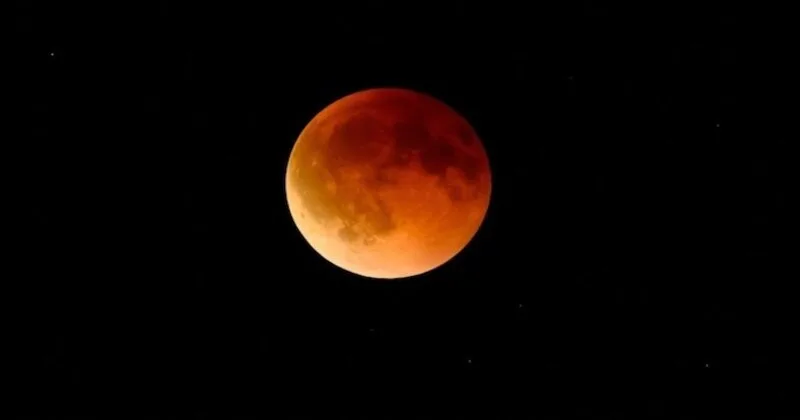
During the Chandra Grahan on March 3, 2026, the Earth will come between the Sun and the Moon, casting its shadow on the Moon. When the full Moon moves into Earth’s deep shadow, a total lunar eclipse occurs. The Moon often appears red because sunlight bends through Earth’s atmosphere, earning it the name “Blood Moon.”
The Moon will turn red during this rare total lunar eclipse. In regions with the best visibility, skywatchers can witness around 58 minutes of totality, when the Moon is completely covered by Earth’s shadow.
Chandra Grahan 2026: How and When to Watch in India
The lunar eclipse will begin in the late afternoon of March 3, 2026.
* The penumbral phase will start at around 4:58 pm IST.
* Totality, when the Moon is completely inside Earth’s shadow, will last approximately 58 minutes, ending around 5:32 pm IST.
* The maximum eclipse will occur between 5:10 pm and 5:25 pm IST, varying slightly depending on the city.
In most parts of India, the Moon will rise while the eclipse is already underway, so only the final stages of the Chandra Grahan will be visible. Viewers can step outside at dusk and look toward the eastern horizon to catch the event, no late-night viewing is necessary.