Geneva: The latest round of talks between the United States and Iran concluded without a final breakthrough, though both sides agreed to continue negotiations, Iranian Foreign Minister Seyed Abbas Araghchi said, describing the discussions as the “most intense so far.”
Araghchi stated that further progress had been achieved in diplomatic engagement with Washington and that both sides would move toward more detailed discussions on key issues, including the lifting of US sanctions on Iran and nuclear-related commitments.
According to Oman’s Foreign Minister Badr Al Busaidi, who is mediating the talks, the high-stakes negotiations in Geneva made significant progress. He added that the two sides have agreed to meet next week in Vienna to discuss technical details and continue efforts toward a potential agreement.
Earlier, Iran had expressed fresh optimism that a nuclear agreement with the United States could be reached soon, signalling a possible shift in tone amid mounting fears of military confrontation. Ali Shamkhani, a senior adviser to Supreme Leader Ayatollah Ali Khamenei, said Tehran would be prepared to finalise a deal quickly if the primary objective of the negotiations is to prevent Iran from developing nuclear weapons. The third round of indirect nuclear talks between Washington and Tehran began in Geneva on Thursday under the mediation of Oman. The discussions are being closely watched worldwide as tensions continue to rise in the West Asia. Among those participating are US special representative Steve Witkoff, Iranian Foreign Minister Abbas Araghchi, and Rafael Grossi, Director General of the International Atomic Energy Agency (IAEA).
Shamkhani stated that Iran’s position is clear that if the talks are genuinely aimed at ensuring that Iran does not pursue nuclear weapons, an agreement is within reach. His remarks suggest a softening of rhetoric from Tehran at a time when the threat of conflict looms large.
Talks Resume Amid Deep Divisions
Despite cautious optimism, the latest round of discussions has yet to produce a major breakthrough. The talks, mediated by Omani Foreign Minister Badr al-Busaidy, come at a critical juncture, with both sides maintaining firm and often conflicting positions.
The United States has insisted that Iran must completely dismantle its uranium enrichment facilities at Fordow, Natanz, and Esfahan, and transfer all enriched uranium out of the country. Washington argues that such measures are essential to prevent Tehran from moving closer to nuclear weapons capability.
Iran, however, has rejected what it sees as excessive demands. Foreign Minister Abbas Araghchi emphasised that Iran has the sovereign right to enrich uranium for peaceful purposes under international law. He also reiterated Tehran’s demand that all US sanctions be fully lifted as part of any agreement.
Araghchi described the ongoing negotiations as the “most serious” talks yet between the two sides, even as progress remains elusive. The fundamental disagreement, the US demand for total dismantlement versus Iran’s insistence on retaining its nuclear infrastructure for civilian use, has placed the talks under considerable strain.
Military pressure and warnings from Washington
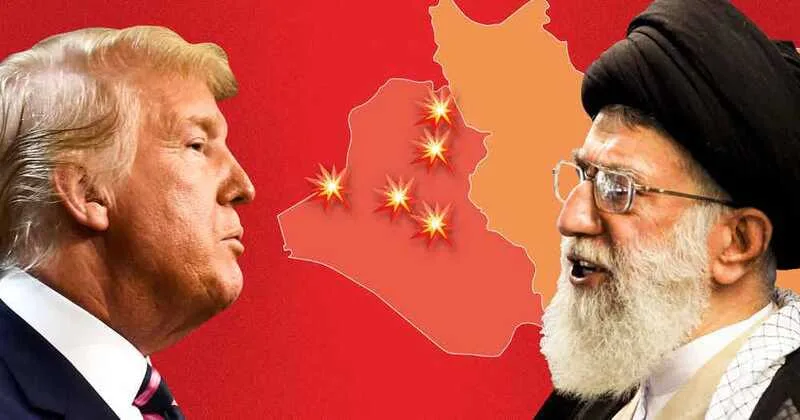
The diplomatic efforts are unfolding against the backdrop of heightened military pressure. US President Donald Trump has issued a stark warning, stating that Iran will not be allowed to develop a nuclear weapon and that a decisive outcome must be achieved within days. He has also warned of possible military action if diplomacy fails.
The United States has significantly bolstered its military presence in the West Asia. More than ten US warships are currently deployed in the region. The aircraft carrier USS Abraham Lincoln is already stationed there, and a second carrier strike group is being prepared.
In a further show of force, the USS Gerald R. Ford, the world’s largest aircraft carrier, departed from the Souda Bay naval base in Crete, Greece, and headed towards the West Asia.
The vessel had been anchored at the base earlier in the week before setting sail as the Geneva talks commenced. According to reports, the timing of its departure underscores Washington’s strategy of combining diplomatic engagement with visible military deterrence. The US delegation in Geneva includes Steve Witkoff and other senior officials. Reports indicate that Jared Kushner, Trump’s son-in-law and adviser, is also associated with the broader diplomatic effort, reflecting the administration’s high-level engagement in the negotiations.
Oman’s mediation and the road ahead
Amid the hardline positions and military posturing, Oman’s mediation has offered a measure of hope. Omani Foreign Minister Badr al-Busaidy said both sides had presented constructive proposals during the Geneva meetings. While no immediate breakthrough was announced, he confirmed that technical-level discussions would continue in Vienna next week. Observers note that Oman has previously played a discreet but crucial role in facilitating dialogue between Washington and Tehran. Its involvement once again highlights Muscat’s importance as a regional intermediary capable of maintaining communication channels during periods of acute tension.
For now, the talks remain delicately balanced between diplomacy and escalation. On one hand, Iran’s public statements suggest a willingness to reach a deal if its rights are respected. On the other, Washington’s firm demands and military preparations underline its determination to prevent any perceived nuclear threat. As negotiations continue without a final decision, the stakes remain exceptionally high. A successful agreement could ease sanctions, reduce regional tensions, and prevent a new conflict in the West Asia. Failure, however, risks pushing the region closer to confrontation at a time when geopolitical fault lines are already under severe strain. The coming days, and the next round of technical talks in Vienna, are likely to prove decisive in determining whether diplomacy prevails or the crisis deepens further.