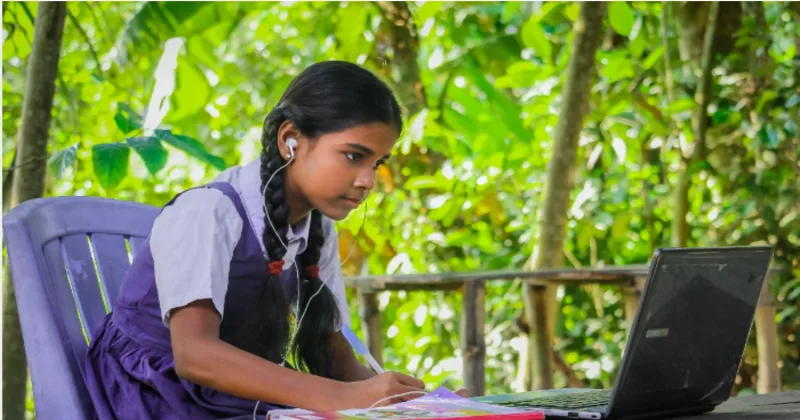
LUCKNOW: Under the visionary leadership of Chief Minister Yogi Adityanath, Uttar Pradesh is taking a remarkable leap forward in the field of digital education. In a major step toward ensuring accessible, high-quality learning for all, the state government has introduced online classes and recorded lectures for students from Class 6 to 12. The initiative marks a new era in education reform, combining technology with inclusive policy to make education more flexible, engaging, and effective.
The state’s Basic and Secondary Education Departments, in collaboration with the State Institute of Educational Technology (SIET), have developed this platform to help students continue their studies anytime and anywhere. The recorded lectures will be made available online, allowing learners to revisit and review concepts at their own pace. This is an essential step in bridging the learning gap and promoting self-paced education.
https://twitter.com/MyGov_UP/status/2019612401105297879/photo/1
Over the past few years, Uttar Pradesh has emerged as a frontrunner in educational innovation, investing heavily in digital classrooms, e-content, and smart learning infrastructure. The online classes will be available for key subjects such as Physics, Chemistry, Biology, and Mathematics, which often require conceptual clarity and guided instruction. These recorded lectures will serve as valuable resources for both students and teachers, especially in rural and remote areas where access to quality teaching remains limited.
According to officials, the recorded content will be uploaded to digital platforms managed by SIET, ensuring that every student. Regardless of geographic location, they can access standardised, high-quality educational material. The lectures will be designed by subject experts and aligned with the Uttar Pradesh State Board curriculum, making them a reliable resource for board exam preparation.
One of the key advantages of this initiative is flexibility. Unlike traditional classroom settings, students can now learn at their own pace and convenience. They can pause, rewind, and replay the recorded lectures as many times as needed, improving comprehension and retention of complex topics.
For students who may have missed school due to illness, personal circumstances, or lack of resources, this system ensures they don’t fall behind. It also helps teachers manage classroom diversity, as slower learners can use digital lectures for revision while advanced students can explore additional material.
The approach is especially beneficial for students in economically weaker sections who may not have access to private tuition. With free online lectures, the state government is democratizing education, ensuring that knowledge is no longer confined to classroom walls but available to everyone through digital means.
It has been noted that one of the persistent challenges in India’s education system is the disparity between urban and rural learning standards. While metropolitan schools often have access to advanced teaching tools and qualified faculty, students in rural areas face limited exposure and resources. Uttar Pradesh’s online education initiative directly addresses this issue. Through SIET’s digital platform, students in the remotest parts of the state can now access the same quality of education as their peers in urban centers. The recorded video lectures, available round the clock, ensure that learning continues even in regions where physical infrastructure or teacher availability is inadequate.
Additionally, the platform will strengthen students’ digital literacy by encouraging the use of technology as an everyday learning tool. Over time, this is expected to build a generation of tech-savvy learners equipped to thrive in a knowledge-based global economy.
The initiative aligns closely with the objectives of the National Education Policy (NEP) 2020, which emphasises the integration of technology into the teaching-learning process. The NEP advocates for flexible, multidisciplinary, and learner-centric approaches, encouraging states to innovate in digital pedagogy.
By adding online and recorded lectures for students from Class 6 to Class 12, Uttar Pradesh has taken a practical step toward implementing the NEP’s vision of equitable, technology-driven education.
While the initiative primarily benefits students, it also empowers teachers. The recorded lectures, created by experienced educators and subject experts, serve as reference materials for other teachers to enhance their classroom delivery. They can use these videos to adopt improved teaching strategies, focus on difficult concepts, and ensure uniformity in academic standards across schools.
According to education department officials, the online classes and recorded lectures will be available through multiple digital channels, including the DIKSHA portal, SIET’s official website, and possibly mobile applications for easier access.
Students can watch lectures through smartphones, tablets, laptops, or even television via DTH educational channels, ensuring inclusivity for those with limited internet access. The government is also working to make the content available in both Hindi and English to cater to diverse linguistic groups within the state. The content development process includes meticulous quality checks to maintain accuracy, relevance, and clarity. Each lecture will be mapped to the syllabus prescribed by the Uttar Pradesh Board of Secondary Education, ensuring that the online resources align with classroom learning objectives.