Pakistan has been gripped by anger and political turmoil following the announcement of a major India–US trade agreement and US President Donald Trump’s decision to slash tariffs on Indian goods from 50 per cent to 18 per cent. The move has triggered widespread criticism from Pakistan’s opposition parties, the media, and social platforms, with many accusing the government of a diplomatic failure.
The backlash intensified after Trump claimed credit for ending tensions between India and Pakistan after the Pahalgam terror attack, remarks publicly supported by Pakistan Prime Minister Shehbaz Sharif. India firmly rejected Trump’s claim and made it clear that Washington played no role in de-escalation. New Delhi also declined to nominate Trump for the Nobel Peace Prize.
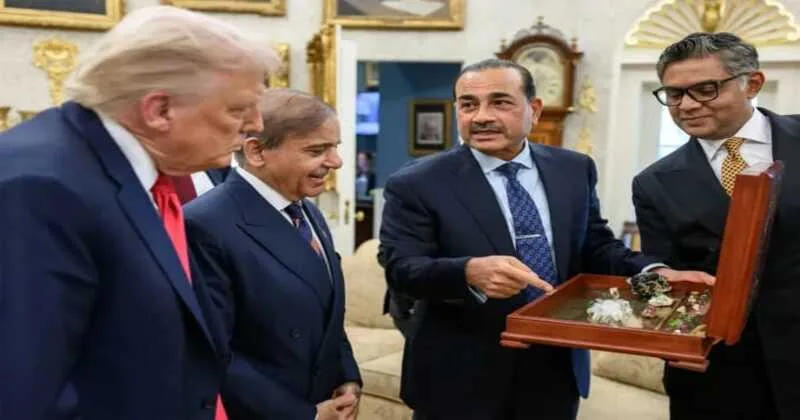
Despite this, Trump went ahead with a significant trade deal with India while offering Pakistan only a modest tariff reduction to 19 per cent, leaving Islamabad shocked and politically exposed. Pakistan’s Army Chief Asim Munir has made multiple visits to Washington in recent months, seeking closer engagement with the Trump administration and pushing for trade arrangements, including cooperation on rare earth minerals. Along with Shehbaz Sharif, Munir was amongthe prominent Pakistani figures who attempted to court Trump by proposing his name for the Nobel Peace Prize, a gesture that has now drawn sharp domestic criticism.
Questions are being raised across Pakistan about whether White House visits, private dinners, and symbolic gestures achieved anything meaningful.
Adding fuel to the fire, veteran journalist and former close aide of ex-prime minister Nawaz Sharif, Najam Sethi, has openly criticised the government’s handling of relations with Washington. In a television interview, Sethi warned that Trump “cannot be trusted” and said Pakistan would struggle to meet many of the demands being quietly pushed by the US.
He cautioned that failure to comply could invite severe pressure from Washington. According to Sethi, Pakistan has promised access to rare-earth reserves located largely in security-sensitive regions, such as Balochistan. If Islamabad fails to deliver on these commitments, it risks losing credibility with the Trump administration.
Analysts warn that this could lead to further diplomatic and economic setbacks for Pakistan. Sethi said he had long predicted such an outcome, describing the current situation as the beginning of a deeper crisis.
Pakistan’s leadership made sweeping promises to gain Trump’s favour without having the capacity to fulfil them. As public frustration grows, opposition leaders and commentators say these unkept assurances may soon translate into economic instability and political unrest. For many in Pakistan, the episode has become a symbol of misplaced expectations and a harsh reminder of the risks of transactional diplomacy.