Bharat encourages sports for Divyangs through strong laws, special funding programmes and modern sports facilities. This integrated approach seeks to elevate sports from a small recreational activity to an acknowledged professional career while promoting societal acceptance and international-level recognition.
A crucial part of this effort is Section 30 under the Rights of Persons with Disabilities Act, 2016. It mandates the Government to provide accessible facilities and be inclusive, thus encouraging participation of Divyangs in sports. Viewing sports as a regulator, these policies help transform disability into empowerment and opportunity.
Role of Policies & Funding Schemes
Government programme promotes sports for specially abled; this is the Scheme of Sports & Games for the Disabled, managed by the Ministry of Youth Affairs and Sports. It supports specific schools by offering funds for sports coaches and equipment to identify talent at the grassroots level. Schools will get Rs 10,000 per month for up to five years to bring coaches onboard and Rs 30,000 to Rs 75,000 for sports equipment, based on the number of students.
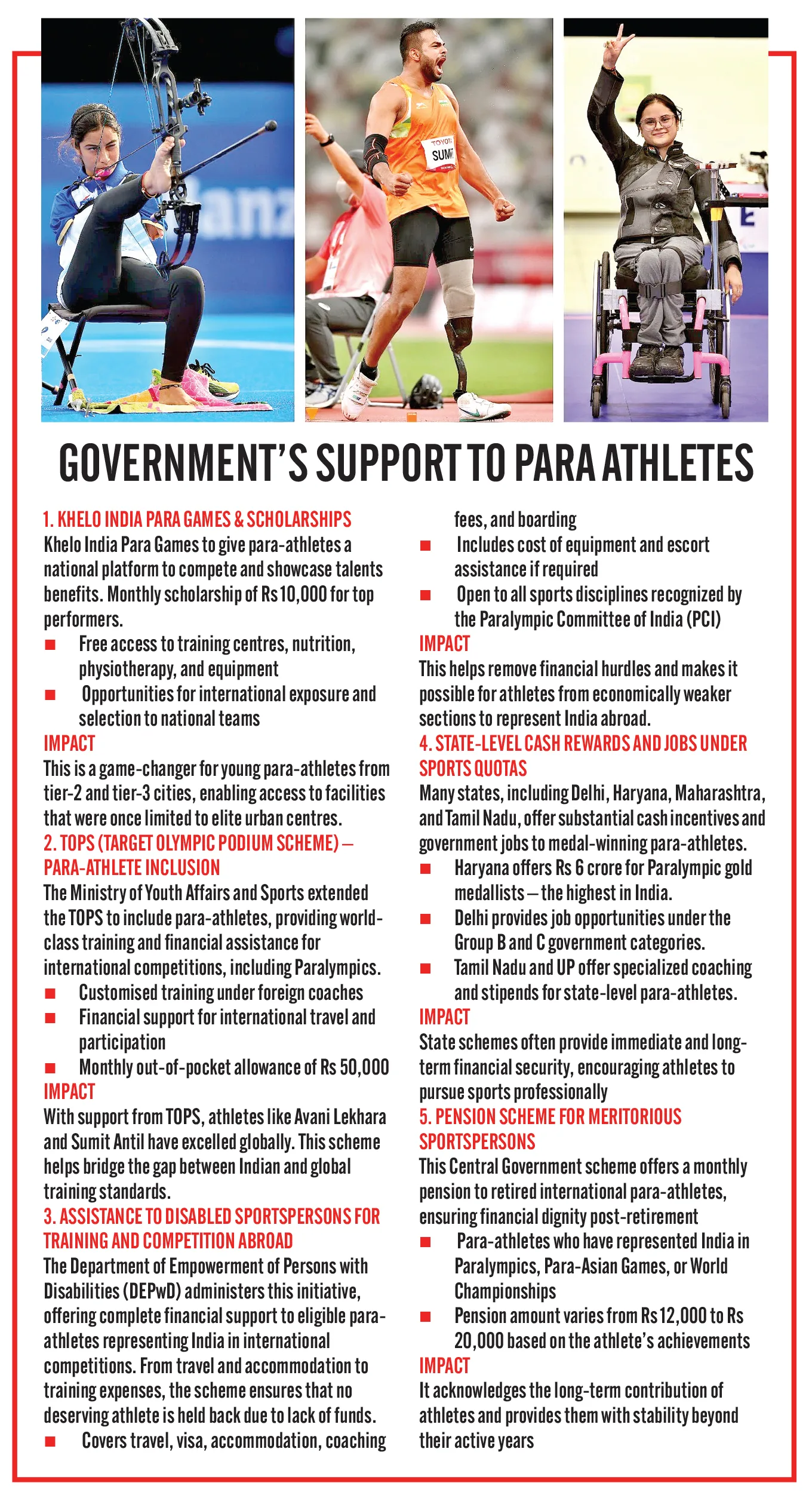
Government has also given priority status to the Paralympic Committee of Bharat, Special Olympics Bharat and All-Bharat Sports Council of the Deaf, allowing them to receive maximum financial support for training, equipment, and international competitions.
The Khelo Bharat Scheme has strengthened disability sports by introducing a special section called “Promotion of Sports among Persons with Disabilities.” This focuses on identifying talent and developing specialised sports facilities. By March 2021, the Government had released about Rs 13.73 crore under this initiative to support Divyang athletes. A major step forward was the launch of the Khelo Bharat Para Games in 2023, which gave over 1,300 athletes a national-level platform to compete, bringing para-sports into elite competition.
World-Class Infrastructure
To address long-standing shortage of adequate sports facilities for persons with disabilities, the Government established and renovated Atal Bihari Vajpayee Training Centre for Disability Sports (ABVTCDS) in Gwalior. It was formerly known as the Centre for Disability Sports. Built on a 34-acre campus with an approved budget of Rs 151.16 crore, it is Bharat’s first international-level Centre of Excellence for para-athletes. The outdoor stadium of the centre has seating capacity of around 6500 individuals and air-conditioned indoor sports complex with table-tennis halls, and an Aquatic Centre. The facility offers features such as special ramps, elevators and tactile paths designed to meet the needs of people with special abilities.
The Sports Authority of India (SAI) has made a special training centre with main focus on athletics, swimming, and powerlifting. Along with regular sports facilities, the centre is being upgraded to make it more accessible. For instance, Delhi’s Jawaharlal Nehru Stadium now has accessible parking, dedicated wheelchair seating with clear views, and audio support for people with hearing disabilities. In addition to these, there is infrastructure improvement. Target Olympic Podium Scheme (TOPS) supports top para-athletes by providing personalised training, international competition exposure, and a monthly allowance of Rs 50,000 to help them excel in their performance in Para Olympic.
Fillip to Cricket
Cricket is a game that has a special position in Bharat, and the modified version of cricket for the Divyang players has been increasing gradually. Since 2011, the Cricket Association for the Blind in Bharat (CABI) with the help of the Samarthanam Trust. It has been the governing body for cricket for the visually impaired. The game is played with a bigger audio ball, which has been designed by the National Institute for the Visually Handicapped. It produces sound to assist the players in following it.
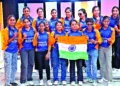
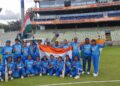
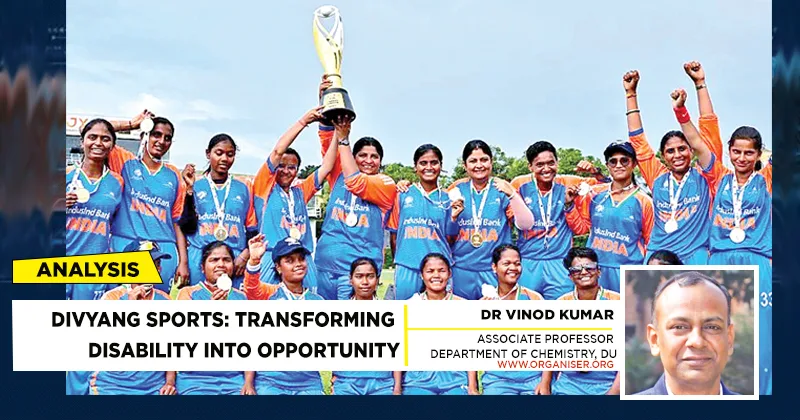
One of the biggest achievements was in March 2025, when the Differently Abled Cricket Council of Bharat (DCCI) got official recognition from the Paralympic Committee of Bharat. This will enable differently abled cricketers to play under the BCCI, which represents Bharat internationally. Bharat is at the top of the world in all formats of international blind cricket. The game has also progressed in terms of women’s participation. The Bharatiya Blind Women’s Team won the first-ever Blind Women’s T20 World Cup in 2025, which was appreciated by Prime Minister Narendra Modi as an “example of unity and determination.
Socio-Economic Impact & Rehabilitation
Sports help visually impaired and physically challenged to overcome social hurdles and develop leadership qualities. Many sportspeople have been able to find jobs in the Government and private sectors, which has improved their economic status. Role models such as Shekhar Naik and Ajay Kumar Reddy have inspired the Divyang community.
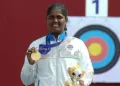
Attitudes have shifted from sympathy to appreciation. The accomplishments of para-athletes like Avani Lekhara, the first Bharatiya woman to win back-to-back Paralympic gold medals. They have smashed stereotypes. The support of corporate bodies such as IndusInd Bank and L&T Technology Services has been instrumental in arranging training and competition costs. Famous cricketers such as Sourav Ganguly and Rahul Dravid have encouraged blind cricket which has brought disability sports into the mainstream.
International Milestones
The progress of Bharat in para-sports can be identified at the international level. Right from Murlikant Petkar’s first gold medal in 1972 to the 29 medals won at the 2024 Paralympics in Paris, Bharat has emerged as a powerful force in para-sports. This is because of the Government’s support, the involvement of the private sector and the application of sports science.
Sports help visually impaired and physically challenged to overcome social hurdles and develop leadership qualities. Many sportspeople have been able to find jobs in the Government and private sectors, which has improved their economic status. Role models such as Shekhar Naik and Ajay Kumar Reddy have inspired the Divyang community
The future course of action includes the development of blind cricket at the school level and obtaining proper recognition for disability cricket formats from the BCCI. Collaborations among institutions such as ABVTCDS, PEFI, and the Equibeing Foundation focus on research-based training and certification in adaptive sports. This will enable Divyang sportspeople to have access to improved facilities and training at the grassroots as well as international levels. The experience of Bharat proves that sports development for the Divyangs can help each person attain excellence with proper support and opportunities.