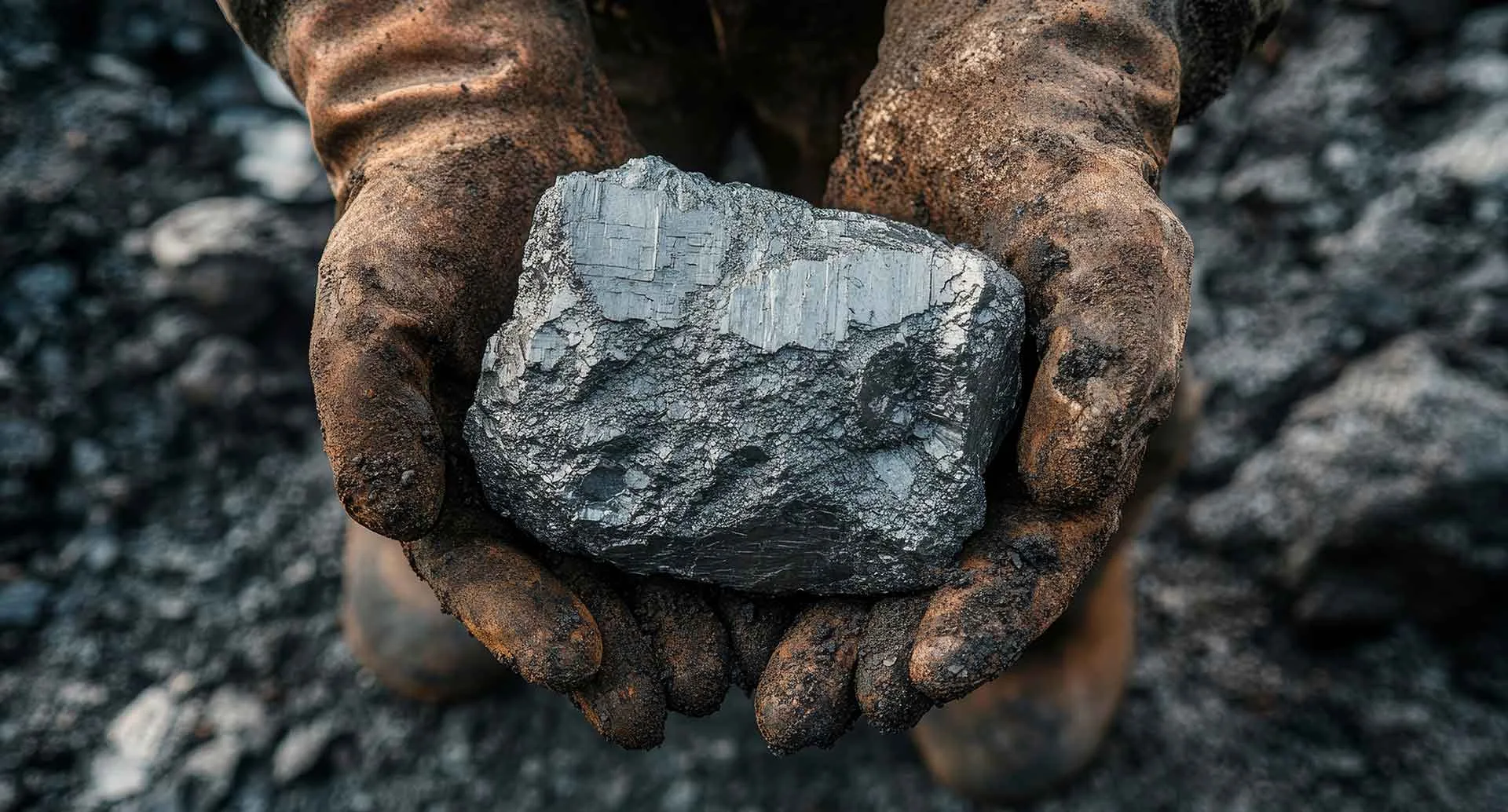
Presenting the Union Budget 2026-27 in Parliament, Finance Minister Nirmala Sitharaman proposed the creation of dedicated rare earth corridors in Odisha, Andhra Pradesh, Tamil Nadu and Kerala, aimed at strengthening India’s domestic capabilities in the mining, processing and manufacturing of rare earth elements and permanent magnets.
The finance minister said the Centre would extend targeted support to mineral-rich states to promote the full value chain, from extraction and refining to research and high-end manufacturing, in sectors critical to clean energy, electronics, defence production and electric mobility.
“The Budget proposes raising the Electronics Components Manufacturing Scheme outlay from Rs 22,999 crore to Rs 40,000 crore, alongside new initiatives such as ISM 2.0, rare earth corridors and dedicated chemical parks,” Sitharaman said during her speech.
Building on earlier policy moves
The proposal builds on the rare earth permanent magnet scheme launched in November 2025. According to the government, the new corridors will scale up support by creating integrated ecosystems focused on mining, processing, innovation and manufacturing, rather than isolated projects.
Rare earth elements, a group of 17 minerals are essential for manufacturing electric vehicle motors, wind turbines, smartphones, semiconductors, defence systems and precision electronics. India currently imports a large share of its requirements, leaving key industries vulnerable to global supply disruptions.
Reducing dependence on China
China dominates global rare earth production and refining capacity and has, in recent years, tightened export controls on critical minerals. These restrictions have raised concerns among manufacturing economies, including India, over long-term supply security.
The proposed corridors are expected to help India build strategic autonomy in critical minerals, reduce import dependence and insulate domestic industry from geopolitical and supply chain shocks.
Two of the four states identified, Tamil Nadu and Kerala possess extensive coastal mineral reserves, particularly monazite-rich sands that contain rare earth elements.
The Budget proposal is likely to be closely scrutinised for its potential impact on investment inflows, job creation and industrial expansion, especially in the run-up to elections.
Linked manufacturing push
As part of a broader industrial and supply chain strategy, Sitharaman also announced a challenge-based scheme to support states in setting up three dedicated chemical parks. These parks will follow a cluster-based, plug-and-play model aimed at boosting domestic chemical production and further reducing import dependence.
Together, the rare earth corridors and chemical park initiatives align with the government’s push to strengthen capital goods manufacturing and secure critical supply chains at a time of intensifying global competition for access to strategic minerals.
The Budget proposals shows India’s intent to position itself as a reliable and self-sufficient hub for critical minerals and advanced manufacturing in the coming decade.