Chikkamagaluru: Allegations that more than 25,000 illegal immigrants from Bangladesh are working in the coffee estates across Chikkamagaluru and neighbouring Hassan districts have triggered intense public anger, with pro-people groups and Hindu organisations strongly condemning what they describe as selective police action against whistleblowers instead of addressing the core issue. The controversy has deepened after police registered cases against Bhajarangdal activists who raised concerns over the alleged influx, prompting widespread resentment and questions about whether law enforcement is safeguarding Indian citizens or shielding illegal immigrants.
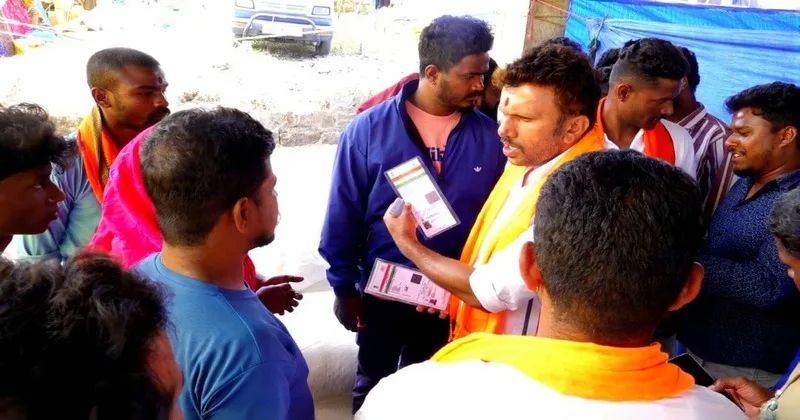
The immediate flashpoint occurred in Mudigere town of Chikkamagaluru district, where police registered a suo motu case against Bajrang Dal and Vishwa Hindu Parishad (VHP) activists for checking Aadhaar cards and identity documents of workers said to be from Assam. The Mudigere police have booked nine activists, including Bajrang Dal leaders Sudev and Santosh, alleging that their actions caused confusion in the weekly market and disturbed public order.
However, activists and local residents argue that the police action is misplaced and reflects administrative apathy towards a serious national security and demographic concern. They point out that for weeks, organisations had been urging the district administration and police to conduct official verification of workers employed in coffee estates, especially in the backdrop of growing fears that Bangladeshi nationals are entering India illegally by posing as migrant labourers from Assam.
The issue gained urgency following the brutal murder of Deepu in Bangladesh, which reignited fears over cross-border extremism and illegal migration. In response, Bajrang Dal and VHP leaders had held a press conference demanding a comprehensive verification drive of Assamese workers across Chikkamagaluru district. They had publicly given the authorities a one-week deadline to initiate checks, warning that inaction would force civil society groups to step in.
Despite the deadline, activists allege that neither the district administration nor the police took any concrete steps. “There was complete silence from the authorities. No verification, no official communication, nothing”, said a VHP functionary. “When citizens raise legitimate concerns and the administration refuses to act, people will naturally ask who the system is working for”.
As the coffee harvest season begins, thousands of migrant workers from Assam have arrived in Chikkamagaluru to work in plantations. While many are genuine Indian citizens, allegations persist that a section among them possess forged Aadhaar cards and fake identity documents and may have illegally crossed over from Bangladesh. Estate workers and local residents claim that such unchecked migration is affecting wages, law and order and social harmony in the region.
What has further angered the public is the perception that the police have chosen to criminalise those highlighting the issue rather than investigating the allegations themselves. Protesters argue that checking identity documents is a task that should have been undertaken proactively by the police and labour authorities. “If the police had done their job, citizens wouldn’t have felt the need to verify anything on their own”, said a local coffee grower.
The registration of FIRs against activists has sparked protests and statements of condemnation from various Hindu organisations and pro-people groups. Many have questioned the priorities of the police, asking whether the force is more concerned about silencing whistleblowers than protecting national interests. The issue has also resonated strongly on social media, with citizens demanding a transparent verification drive and action against those found to be staying illegally.
In the wake of the controversy, security has been stepped up in the Mudigere town and police say the investigations are ongoing. However, public trust appears strained, with residents insisting that the focus must shift from targeting activists to addressing the larger issue of illegal immigration from Bangladesh.