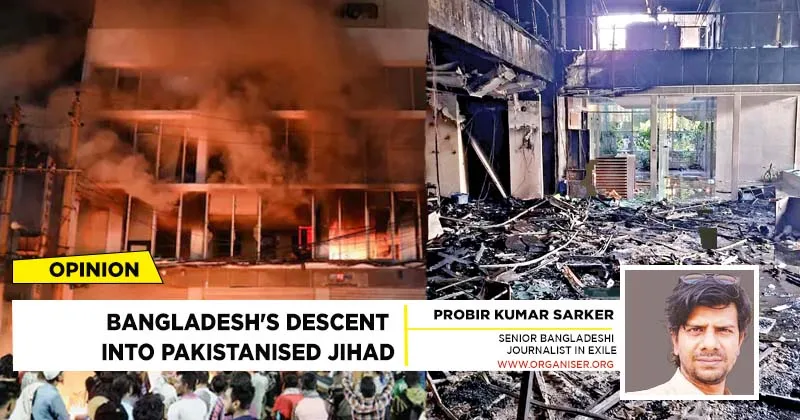
As Bangladesh approaches what promises to be fraudulent elections on February 12, 2026, the country finds itself engulfed in chaos and bloodshed. The death of radical Islamist leader Sharif Osman Hadi on December 18, after being shot on December 12, has unleashed waves of violence, including arson attacks on media offices like Prothom Alo and The Daily Star, vandalism of cultural institutions such as Chhayanaut and Udichi Shilpigoshthi, and the brutal lynching of Hindu garment worker Dipu Chandra Das in Mymensingh.
Dipu Das was beaten, hanged from a tree, and set on fire over false blasphemy allegations, sparking international outrage and protests in India. Similar attacks on minorities for alleged defamation of Islam since August 2024, however, have not received attention in the media. United States lawmakers and human rights groups have condemned these attacks on minorities, while the Yunus regime’s denials and delays in justice expose its complicity.
Demands for Sheikh Hasina’s extradition intensify amid anti-India hysteria, with radicals invoking Ghazwa-e-Hind prophecies. This is not mere tension; it is the full-throated Pakistanisation of Bangladesh, where radical Islam devours secularism, Bengali nationalism, and ethnic identity, turning a proud nation into a jihadist playground.
The political tension took a violent turn in early December as the country started observing the month of victory, with Jamaat-e-Islami leaders and jihadist clerics threatening to destabilise India’s Seven Sisters if exiled prime minister Sheikh Hasina was not extradited—a threat first issued by pro-Pakistan and pro-West Muhammad Yunus two days before his oath as the chief adviser. Hadi, a candidate for the Dhaka-8 constituency, was shot within 16 hours after the Election Commission announced the schedule, and President Mohammed Shahabuddin exposed the regime’s illegitimacy and authoritarian rule in an interview with Reuters, the first time since the army-jihadist coup.
Jihadist-Backed Yunus Regime’s Mindset Against India
Son of Pakistan Muslim League leader and usurer goldsmith Dula Mia Saudagor, Yunus’s jihadist-backed regime harbours a poisonous mindset toward India, fueled by radical Islam’s supremacist ideology and a deliberate revival of pro-Pakistani loyalties. Once portrayed as a liberal Muslim educated in the US, Yunus now leads a government that appeases extremists, releasing convicted militants and appointing Hefazat-e-Islam figures to key posts.
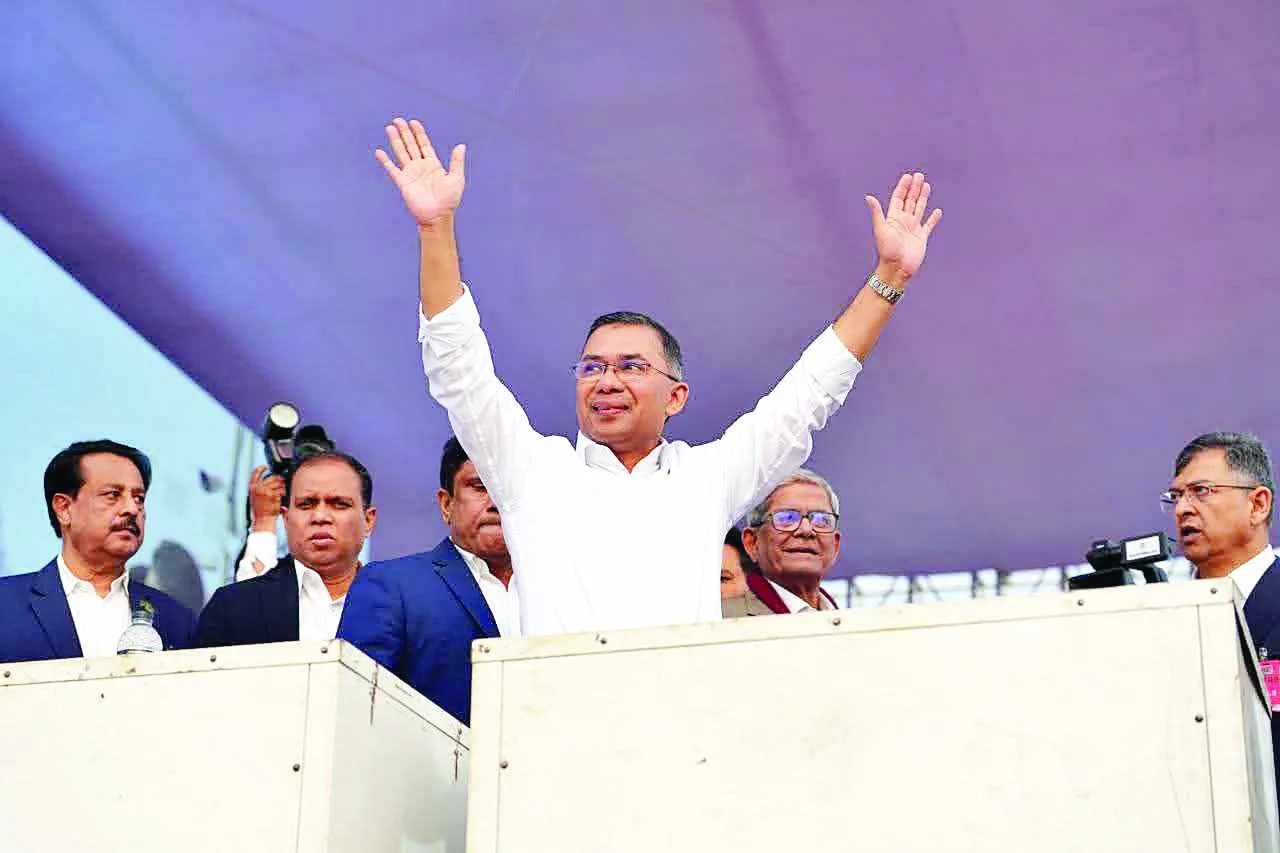
Reports from December 2025 highlight how unrest following Hadi’s death—linked to anti-India figures—saw mobs chanting Islamic slogans while targeting symbols of Bengali culture, labeling them “Indian hegemony.”
Yunus and his administration dismiss minority attacks as isolated, even as Hindus face lynchings and cultural organizations burn. This mindset resurrects Pakistan’s 1971 hatred, viewing India as the enemy that “humiliated” Muslims. Anti-India rhetoric escalates, with threats to isolate India’s Northeast and demands for Hasina’s extradition framed as revenge. Radical clerics like Jasimuddin Rahmani, freed under Yunus, Harun Izhar, Mamunul Haque, and Jamaat’s Abu Taher, and former army officers like Brig. Gen. (Retd.) Abdullahil Amaan Azmi, Col. Hasinur Rahman, and sacked Major Syed Ziaul Haque amplify Ghazwa-e-Hind calls. These pro-Pakistani elements are coordinating the local militant groups in association with Lashkar-e-Tayyiba (LeL), Jamaat-ut-Dawa, and Tehrik-e-Taliban Pakistan (TTP).
Pakistanization accelerates: madrasas promote Urdu and Arabic over Bengali, branding the language “Hindu-tainted.” At the same time, secularism is denounced as an “infidel” Western import, eroding Bengali ethnic pride forged in the Language Movement and Liberation War.
Jamaat + ISI Blueprint
Jihadist blueprints, orchestrated by Jamaat-e-Islami and Pakistan’s Inter-Services Intelligence, aim to impose theocracy and destabilise the region through radical Islam’s relentless advance. With Jamaat unbanned and allied with Hefazat, Touhidi Janata mobs enforce moral policing, attacking cultural practices like music and theater as “un-Islamic.”
In December 2025, violence targeted Chhayanaut and Udichi for promoting Bengali arts, seen as threats to puritanical order. Their plans include a referendum on the July Charter to scrap secularism, proportional representation to entrench Islamists, and Jizya-like taxes on non-Muslims. Inter-Services Intelligence funds anti-India campaigns and recruits for border incursions. Radical Islam assaults the Bengali language—banning Tagore recitals and pushing Arabic scriptures—and suppresses ethnic Bengali nationalism by reviving the “Bangladeshi” identity tied to Islam, denying 1971’s secular roots. Sufi shrines razed, Baul singers arrested, and festivals disrupted: all to erase syncretic Bengali culture for monochrome jihadism.
Incidents During Awami League Tenure and Their Roots
After the Awami League came to power in 2009, the radical Islamists resumed target killings and street agitations against the reinstatement of secularism and counterterrorism measures against militant groups. From 2013 to 2019, several militant groups carried out dozens of murders, targeting foreigners, Hindus, and the police amid street agitations and social media campaigns by the communal forces, taking advantage of enforcement lapses and political compromises.
December 2025 saw media and cultural torchings amid Hadi protests, with radicals demanding caliphate-like rule. This Pakistanisation—mirroring Zia’s era—rehabilitates razakars, attacks Bengali nationalism as an “Indian proxy,” and imposes radical Islam on education and society as per the blueprint.
2001 Post-Poll Communal Attacks
The 2001 post-election carnage under the Bangladesh Nationalist Party(BNP)-Jamaat was radical Islam’s dress rehearsal: thousands of Hindu attacks, rapes, and temple burnings to punish “disloyalty” to Islamic unity. It injected minority hatred, suppressing Bengali pluralism and prompting exodus to India. Despite investigations into the incidents and the identification of the perpetrators, justice remains unfulfilled to this day. The BNP-Jamaat forces used Pakistan-linked jihadist groups like Jama’atul Mujahideen Bangladesh (JMB) and Harkat-ul Jihad al-Islami (HuJI-B) to suppress the secularist forces, mainly the opposition Awami League and leftist parties. By enjoying impunity and support of the office bearers and law enforcement agencies, these militant groups killed several hundred people across the country by carrying out attacks using Pakistan-made grenades, bombs, and knives. They also labelled Bengali culture and secularism as un-Islamic.
These militant groups emerged during the BNP’s 1991-96 period, under the direct patronage of the government and Jamaat-e-Islami. They spread their network across the country with the help of al-Qaeda and the Taliban. They attempted to thwart the Gono Adalot movements demanding the trial of war criminals and an end to religious extremism. The government did not take any preventive measures, let alone lead the country towards the Pakistan era, spreading anti-Hindu and anti-India hatred. This organized campaign was exposed when the Hindus were attacked en masse, as the media reported attacks on several thousand temples, homes, and business establishments.
Pakistan loyalist General Zia’s era began after the assassination of Father of the Nation Bangabandhu Sheikh Mujibur Rahman on August 15, 1975. He revived radical Islam by withdrawing the ban on Jamaat-e-Islami, releasing all collaborators of the Pakistan Army, installing a war criminal as prime minister, and annexing secularism and introducing “Bangladeshi nationalism” to erode Bengali ethnicity. Zia’s India loathing sparked clashes; he hated the Awami League as “Indian puppets,” hanging several thousand pro-liberation military officers in summary trials.
Ruthless Pakistani ruler General Yahya Khan and his generals harboured a primal hatred toward India, the Awami League, freedom fighters, and Hindus, viewing Bangladesh as a treasonous break from “East Pakistan.” They armed Jamaati Razakars to crush the independence movement. Generals like Niazi orchestrated rapes and murders that hit the Awami League members and minorities the hardest.
The 1971 selective genocide against Hindus represented Pakistan’s pinnacle of horror, with 80 per cent of the three million dead and over 20 million refugees being Hindus, according to declassified United States documents. Razakars like Jamaat’s ATM Azhar abducted and raped between 200,000 and 400,000 women, forcing conversions. In Rangpur, Azhar’s squads killed 1,200 Hindus in a single day. The aftermath was an ethnic purge aimed at “cleansing” Bengal of non-Muslims. Yunus’ acquittal of Azhar in May 2025 resurrects this nightmare, endorsing minority attacks while eroding secularism and Bengali nationalism—replacing them with a Pakistanized “Bangladeshi” identity that denies the genocide.
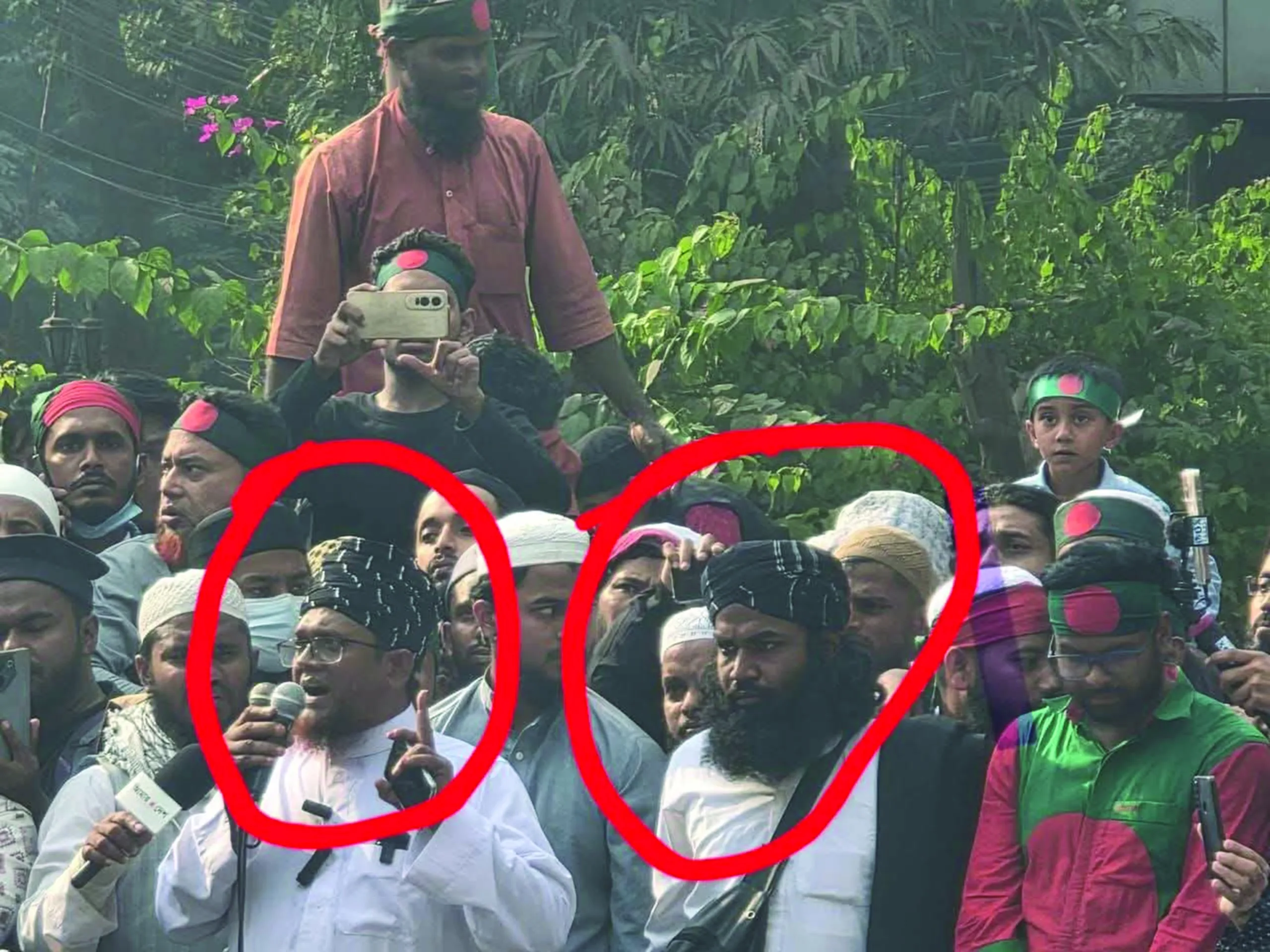
the recent death of Osman Hadi
Yunus’ Bangladesh mocks the Liberation War of 1971, with jihadists roaming free and minorities perishing in attacks—over 2,000 incidents of attacks on minorities between August 4 and August 20. Even though some prominent newspapers like Prothom Alo confirmed that many attacks were purely communal, Yunus and its paid media have trivialized the attacks as “politically motivated,” not “religiously driven,” and castigated the local and Indian media for highlighting minority persecution.
Since August 5 last year, Islamists have destroyed over 2,000 monuments and museums related to the 1971 Liberation War, while the government has refrained from restoring the war symbols and degraded the freedom fighters. Cultural organisations are razed, such as Udichi and Chhayanaut in 2025, and Bengali language and practices are assaulted through Baul arrests and festival bans. This onslaught submerges secularism and nationalism.
Yunus’s tilt toward Pakistan, disregarding diplomatic norms, betrays the nation’s founding principles, vilifies the Liberation War spirit, and tramples the Bengali culture. His demonic actions risk regional war and invite catastrophe. The people of Bangladesh and across the globe must force the interim administration to isolate this demonic force before Ghazwatul Hind or a civil war engulfs us all. A dire warning must be issued against Yunus’ dangerous patronisation of jihadists and Jamaat-e-Islami. His inaction against minority persecution and overenthusiasm in provoking India allow pogroms to flourish, turning Bangladesh into a haven for communal violence.