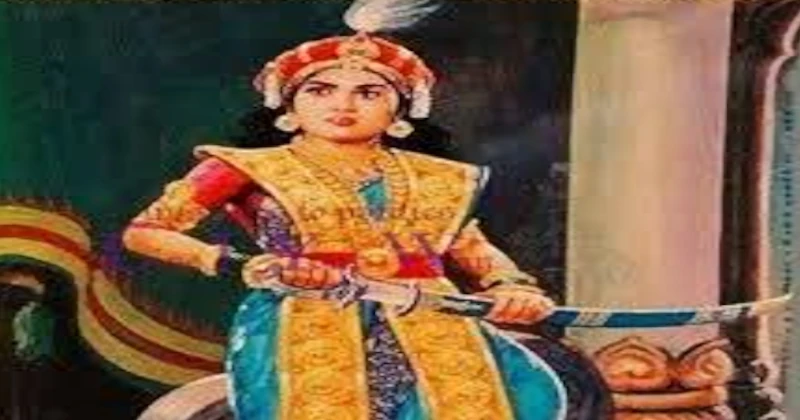
Tamil Nadu: As India remembers Velu Nachiyar on her remembrance day, the story of the warrior queen of Sivaganga stands as one of the earliest, boldest and most inspiring chapters of resistance against British colonial rule. Long before the Revolt of 1857, Velu Nachiyar had raised the banner of rebellion, combining military brilliance, spiritual conviction and the power of Nāri Śakti to defeat the East India Company.
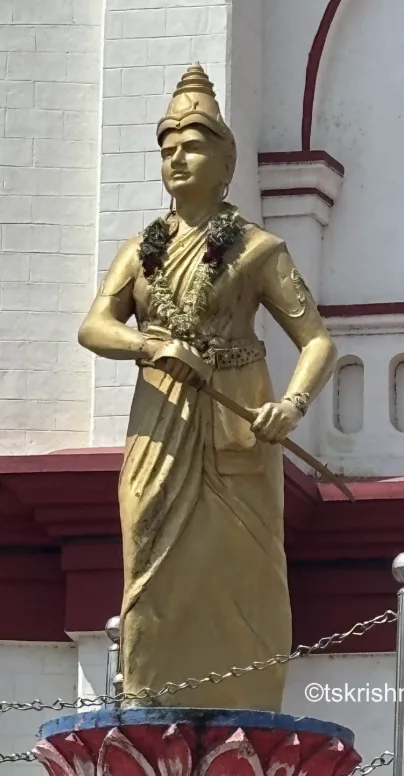
Born into royalty as the only daughter of Sellamuthu Vijaya Raghunatha Sethupathi, the ruler of the Ramanathapuram Samasthanam, Velu Nachiyar received an education that was exceptional for her time. Trained by her father in martial disciplines such as silambam and valari, she also mastered multiple languages, including English, French and Urdu, equipping her to understand both indigenous and European powers.
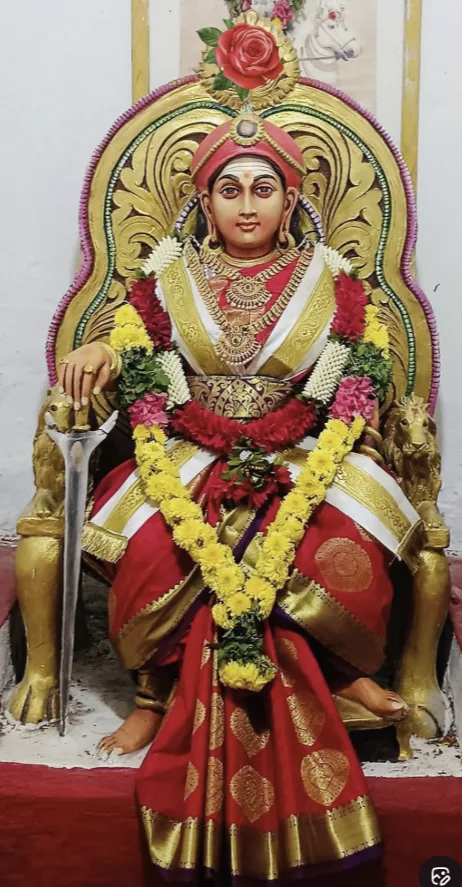
Velu Nachiyar’s life took a dramatic turn after the death of her husband, Muthu Vaduganathar, who was killed during a British-backed assault on Sivaganga. Rather than surrender, she chose patience and preparation. For nearly eight years, she quietly built alliances and planned a counteroffensive.
She found steadfast support in the legendary Marudhu Brothers and Thandavarayan Pillai, trusted associates of her late husband. Together, they mobilised forces, consolidated local support and waited for the right moment to strike the British stronghold.
That moment came on Vijayadasami in 1780, a day that would change the course of Sivaganga’s history. On the festival, movement inside the fort was restricted, with entry permitted only to women for pooja. Using this strategic opening, Velu Nachiyar unleashed a daring assault by mobilising her women’s wing, transforming devotion into decisive military action.
The attack caught British forces completely off guard. Facing fierce resistance, they retreated in haste. The victory restored Sivaganga to Velu Nachiyar, who went on to rule the kingdom unchallenged, making her one of the earliest Indian rulers to decisively defeat British power.
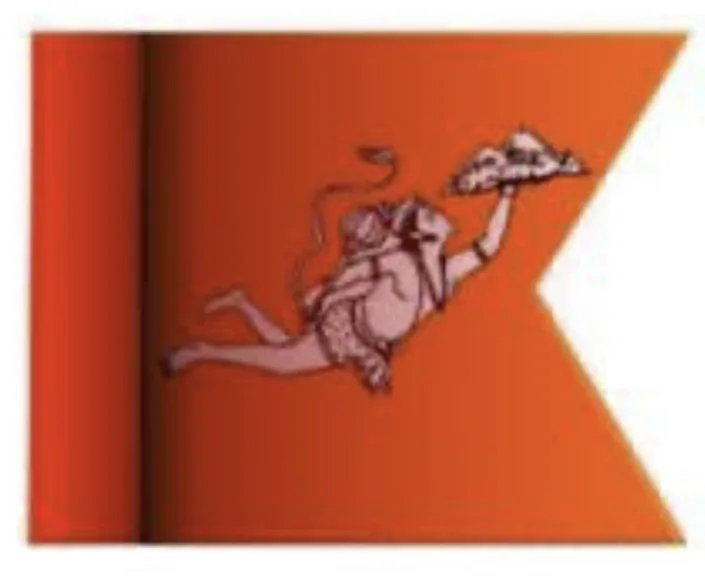
A staunch Sanatani, Velu Nachiyar infused her rule with spiritual symbolism. After her victory, she hoisted a saffron flag bearing the image of Hanuman at the Sivaganga palace. From then on, the kingdom’s emblem featured Hanuman and Garuda, with the name of the presiding deity inscribed as Sri Rajarajeswari Sahayam.
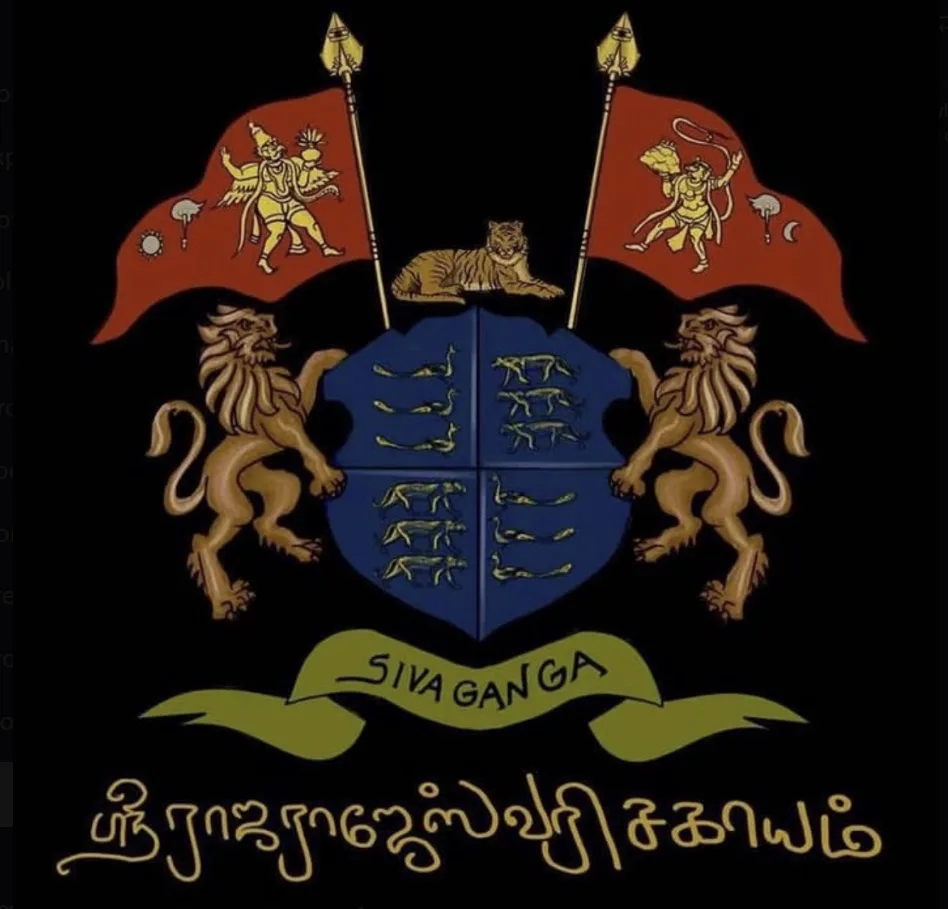
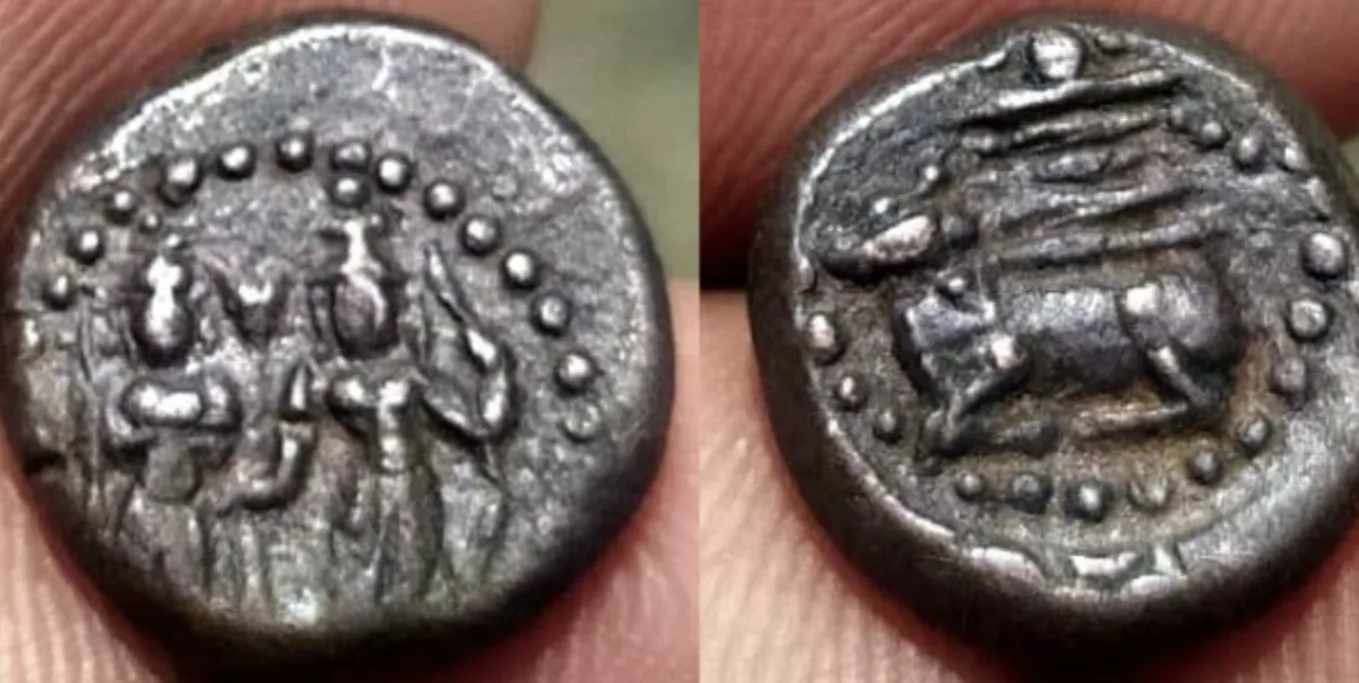
Her sovereignty was further asserted through the issuance of coinage, which carried Ram and Sita on one side and Shiva Linga and Rishabha on the other, reflecting her deep-rooted devotion and civilisational identity.
Velu Nachiyar also made generous grants to mandirs, reinforcing her role as both a warrior and a protector of dharma. Among the few surviving inscriptions bearing her name is one documenting a donation to the Sakkanthi Vinayagar mandir, which reads:
“ஸ்வஸ்திஶ்ரீ சக்கந்தி அய்யா
முத்துவடுகதேவரய்யா பாரியாள்
வேலுநாச்சியாரவர்கள் உபயம்”
(“The grant was made by Velu Nachiyar, wife of Muthuvaduga Thevar of Sakkanthi.”)