Operation Sindoor Impact: Indians cancel holidays to Pakistan’s allies Turkey and Azerbaijan; Travel drops 70%
June 9, 2026
  • Read Ecopy
  • Circulation
  • Advertise
  • Careers
  • About Us
  • Contact Us
Android AppiPhone AppArattai
Organiser
  • ‌
  • Bharat
    • Assam
    • Bihar
    • Chhattisgarh
    • Jharkhand
    • Maharashtra
    • View All States
  • World
    • Asia
    • Europe
    • North America
    • South America
    • Africa
    • Australia
  • Editorial
  • International
  • Opinion
  • RSS @ 100
  • More
    • Op Sindoor
    • Analysis
    • Sports
    • Defence
    • Politics
    • Business
    • Economy
    • Culture
    • Special Report
    • Sci & Tech
    • Entertainment
    • G20
    • Azadi Ka Amrit Mahotsav
    • Vocal4Local
    • Web Stories
    • Education
    • Employment
    • Books
    • Interviews
    • Travel
    • Law
    • Health
    • Obituary
  • Subscribe
    • Subscribe Print Edition
    • Subscribe Ecopy
    • Read Ecopy
  • ‌
  • Bharat
    • Assam
    • Bihar
    • Chhattisgarh
    • Jharkhand
    • Maharashtra
    • View All States
  • World
    • Asia
    • Europe
    • North America
    • South America
    • Africa
    • Australia
  • Editorial
  • International
  • Opinion
  • RSS @ 100
  • More
    • Op Sindoor
    • Analysis
    • Sports
    • Defence
    • Politics
    • Business
    • Economy
    • Culture
    • Special Report
    • Sci & Tech
    • Entertainment
    • G20
    • Azadi Ka Amrit Mahotsav
    • Vocal4Local
    • Web Stories
    • Education
    • Employment
    • Books
    • Interviews
    • Travel
    • Law
    • Health
    • Obituary
  • Subscribe
    • Subscribe Print Edition
    • Subscribe Ecopy
    • Read Ecopy
Organiser
  • Home
  • Bharat
  • World
  • Operation Sindoor
  • Editorial
  • Analysis
  • Opinion
  • Culture
  • Defence
  • International Edition
  • RSS @ 100
  • Magazine
  • Read Ecopy
Home Bharat

Operation Sindoor Impact: Indians cancel holidays to Pakistan’s allies Turkey and Azerbaijan; Travel drops 70%

Following Operation Sindoor, Indian tourists appear to have imposed a “soft sanction” on Pakistan’s close allies, Turkey and Azerbaijan. Fresh data shows a sharp drop in travel from India, up to 70 percent in Azerbaijan and 38 percent in Turkey, reflecting public disapproval of nations backing Islamabad

WEBDESKWEBDESK
Oct 21, 2025, 03:00 pm IST
in Bharat, World, Defence
Follow on Google News
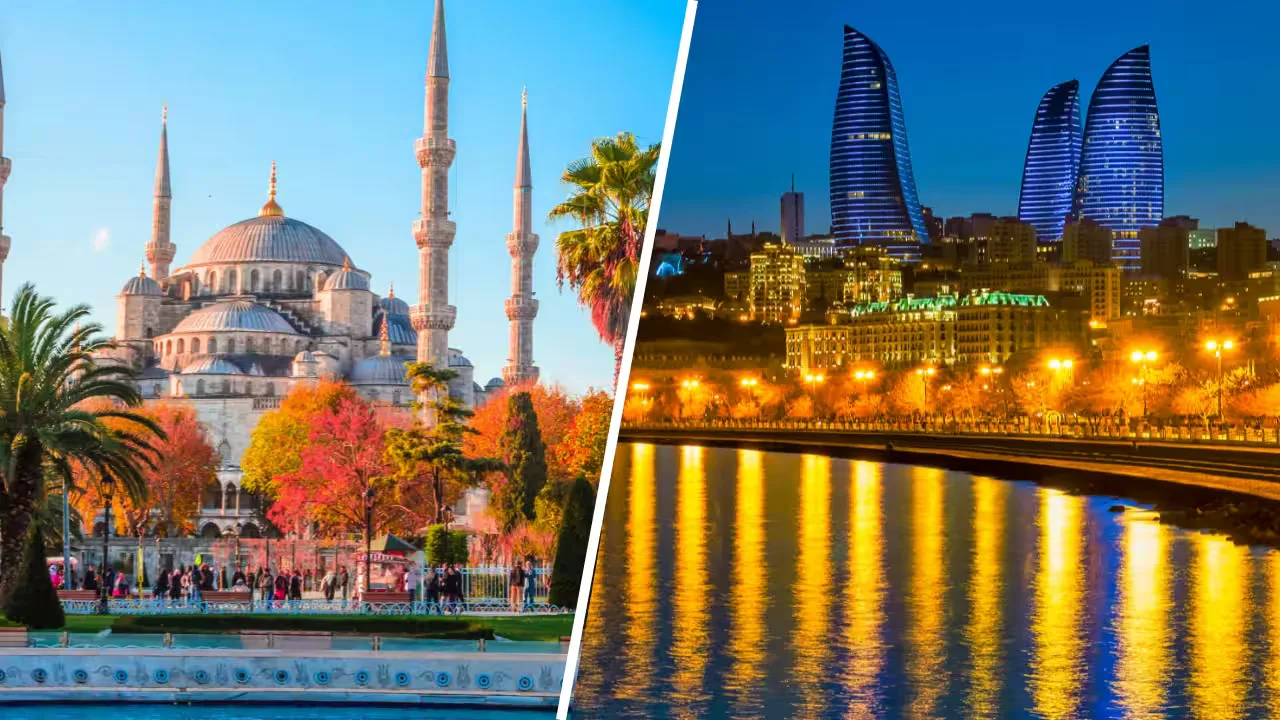
A representative image

A representative image

FacebookTwitterWhatsAppTelegramEmail

Indian travellers have sent a clear diplomatic message, rejecting countries that backed Pakistan during its brief conflict with India. Following Operation Sindoor, a counterterror campaign launched in May 2025, travel to Turkey and Azerbaijan has witnessed an unprecedented decline, falling by as much as 70 percent between June and August this year compared to the same period in 2024.

According to official travel data accessed by CNN-News18, Indian arrivals to Azerbaijan dropped 70 percent, while travel to Turkey fell 38 percent, marking a tangible impact of what analysts call a “people-driven diplomatic response” to the geopolitical alignments that emerged after the Pahalgam terror massacre.

Operation Sindoor was launched in May 2025 by the Indian Air Force (IAF) following the massacre of 26 Indian civilians, most of them tourists, by Pakistan-trained terrorists in Pahalgam, Jammu and Kashmir, in April.

In a retaliation, the IAF conducted precision air strikes deep inside Pakistan and Pakistan-occupied Kashmir, eliminating several high-value militant targets and command centres. However, the situation escalated when the Pakistan Army directly intervened, using drones and missiles to target Indian cities and military bases.

Despite the escalation, Indian air defence systems successfully neutralised the incoming attacks, preventing significant damage. The conflict ended after Pakistan’s Directorate General of Military Operations (DGMO) sought a truce following heavy losses to its military infrastructure.

During the brief conflict, Turkey supplied combat drones to Pakistan, which were used in attempted strikes against Indian installations. Azerbaijan publicly condemned India’s Operation Sindoor, aligning itself diplomatically with Islamabad’s narrative.

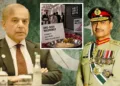
The twin gestures, military and diplomatic, triggered widespread outrage across India. In the following weeks, Pakistan’s Prime Minister Shehbaz Sharif and Field Marshal Asim Munir made official visits to Ankara and Baku, thanking their counterparts for supporting Pakistan’s stance.

This overt display of solidarity provoked calls for a boycott of Turkey and Azerbaijan on social media, with many Indian travellers pledging not to visit countries that “side with terror sponsors.”

The impact was immediate and measurable. Between June and August 2025, Indian arrivals in both countries plummeted sharply compared to the same period last year.

Azerbaijan: 70 percent Decline

June 2025: 9,934 (vs 28,315 in 2024)
July 2025: 4,665 (vs 20,124 in 2024)
August 2025: 6,032 (vs 21,137 in 2024)
Total arrivals fell to 20,631, compared to 69,576 last year, a loss of nearly 49,000 visitors.

Turkey: 38 percent Decline

June 2025: 24,250 (vs 38,307 in 2024)
July 2025: 16,825 (vs 28,875 in 2024)
August 2025: 17,649 (vs 26,781 in 2024)
Total arrivals dropped to 58,544, down from 93,963 in 2024.

This steep decline reflects the continuation of India’s post-Sindoor tourism boycott, marking a new phase of citizen-led diplomatic signalling.

While no official travel advisory was issued by the Indian government, leading travel portals such as MakeMyTrip and EaseMyTrip reportedly deincentivised packages to Turkey and Azerbaijan following public sentiment.

EaseMyTrip, known for patriotic initiatives in the past, such as halting ticket sales to the Maldives earlier this year after derogatory remarks about India, again found support online for what users called “travel diplomacy in action.”

The fallout from Operation Sindoor goes beyond military or diplomatic domains, it has triggered a realignment in India’s people-to-people and tourism diplomacy.

By choosing to avoid destinations perceived as anti-India, citizens have effectively created a new form of soft power sanction. This has amplified India’s message globally that nations aligning with terror-sponsoring states will face long-term reputational costs.

Despite the absence of a formal advisory, the tourism slump itself serves as an informal boycott, signalling India’s growing global influence and public sensitivity toward hostile alliances.

The travel downturn also shows the strength of post-conflict sentiment in India, where social media campaigns, amplified by influencers and veterans, have urged citizens to avoid nations that support terrorism or interfere in India’s sovereignty.

The steep fall in Indian tourism to Turkey and Azerbaijan marks a new phase in citizen-led foreign policy participation, where the collective moral stance of travellers echoes the government’s security posture.

As Operation Sindoor reshaped India’s diplomatic and strategic landscape, its aftershocks are now visible in global travel patterns, proving that Indians are no longer passive observers of international politics, but active participants shaping global narratives through choice and conscience.

 

Topics: EaseMyTripPakistan TerrorismOperation SindoorTurkey travel banIndian tourists boycottpost-Sindoor relations
ShareTweetSendShareSend
✮ Subscribe Organiser YouTube Channel. ✮
✮ Join Organiser's WhatsApp channel for Nationalist views beyond the news. ✮
Previous News

Police Commemoration Day 2025: Nation pays homage to martyrs who laid down lives to protect India’s internal security

Next News

Maharashtra: Police arrests Bangladeshi Babu Khan in massive fake birth certificate racket

Related News

Saurav Das, Chief Spokesperson of CJP

Exposing CJP’s Saurav Das: Inside his controversial commentary on Article 370, Umar Khalid & nationalism

As Khalistani networks seek new platforms beyond the West, Azerbaijan has emerged as a key venue for conferences, campaigns and narratives aligned with the Pakistan-Turkey axis against India.

Khalistan’s New Grazing Ground: Azerbaijan emerges as new hub for Turkey-Pakistan backed anti-India networks

Bangladesh’s reported JF-17 push has triggered fresh scrutiny after India’s Ops Sindoor exposed the vulnerabilities of Pakistani-Chinese defence systems and precision strike capabilities

Shadows of Operation Sindoor: Questions loom over Bangladesh’s JF-17 ambitions amid Sino-Pakistani tech vulnerabilities

Rajnath Singh releases book on Operation Sindoor; The publication chronicles unparalleled valour of the Indian soldiers

Operation Safed Sagar; a turning point in the history of military aviation

Operation Safed Sagar: How Kargil war shaped India’s precision strike doctrine

1 Year of Operation Sindoor | India’s Strategic Shift: A step in the right direction

Load More

Latest News

Banda Singh Bahadur

Banda Singh Bahadur Martyrdom Day: Betrayal of Guru Gobind Singh Ji by Mughals and the rise of Madho Das

12 years of Modi Govt: Meaningful philosophy or manufactured phenomenon; Bharat’s tryst with democracy

Prime Minister Narendra Modi during an overseas visit, greeting members of the Indian diplomatic and community delegation upon arrival. (File Photo)

Trade, Defence and Diaspora: PM Modi eyes Indo-Pacific reset with three-nation tour

Accused Nida Khan reportedly admits taking victim for religious instruction, teaching Islamic rituals

Nashik TCS Corporate Jihad: ‘I taught her how to do namaz,’ says Nida Khan; victim pressured to observe 30 ramzan roza

Germany: Sri Ganesha temple opens in Berlin: Europe’s largest Hindu Mandir reflects India’s cultural & dharmic spirit

Rajasthn | RSS centenary journey embodies dedication to nation-building: Dr Ramesh Agrawal

Decades of illegal infiltration from Bangladesh have driven profound demographic shifts in Assam, fundamentally altering its religious, linguistic, and political landscape

Unnatural demographic change: The termite threat

The Rs 200-crore MAHA Water Mission seeks to boost water security and democratise research funding in India

From Rigveda to Research Labs: How ANRF’s Rs 200 crore water mission is securing India’s future

(Right) Prakhar Shrivastava, Senior Consulting Editor and Anchor at Delhi Doordarshan Kendra at a Narada Jayanti programme in Guwahati (Left) Prakahar Srivastava addressing the gathering

Narada Jayanti by VSK Assam: “Half-truths more dangerous than lies,” says senior journalist Prakhar Shrivastava

Everest Survivor being taken to the hospital on a stretcher

Everest Survivor ICU Interview: BBC under fire for interviewing Sherpa without family’s consent

Load More
  • Privacy
  • Terms
  • Cookie Policy
  • Refund and Cancellation
  • Delivery and Shipping

© Bharat Prakashan (Delhi) Limited.
Tech-enabled by Ananthapuri Technologies

  • Home
  • Search Organiser
  • Bharat
    • Assam
    • Bihar
    • Chhattisgarh
    • Jharkhand
    • Maharashtra
    • View All States
  • World
    • Asia
    • Africa
    • North America
    • South America
    • Europe
    • Australia
  • Editorial
  • Operation Sindoor
  • Opinion
  • Analysis
  • Defence
  • Culture
  • Sports
  • Business
  • RSS @ 100
  • Entertainment
  • More ..
    • Sci & Tech
    • Vocal4Local
    • Special Report
    • Education
    • Employment
    • Books
    • Interviews
    • Travel
    • Health
    • Politics
    • Law
    • Economy
    • Obituary
  • Subscribe Magazine
  • Read Ecopy
  • Advertise
  • Circulation
  • Careers
  • About Us
  • Contact Us
  • Policies & Terms
    • Privacy Policy
    • Cookie Policy
    • Refund and Cancellation
    • Terms of Use

© Bharat Prakashan (Delhi) Limited.
Tech-enabled by Ananthapuri Technologies