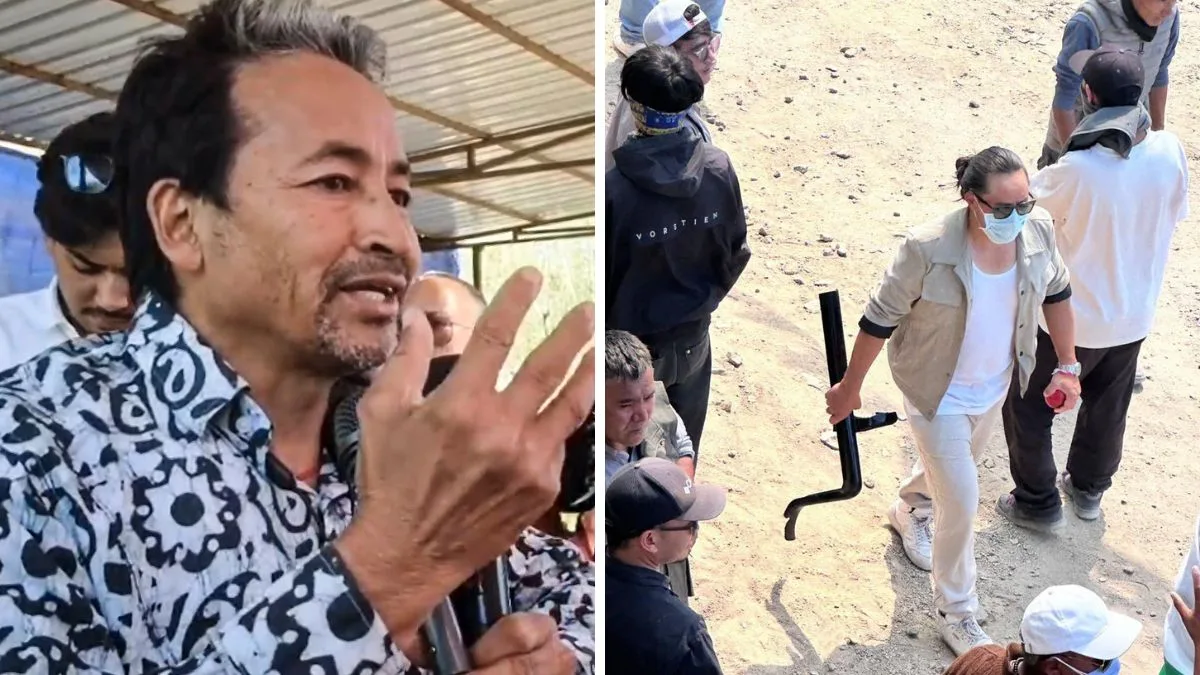
On August 5, 2019, Ladakh’s streets echoed with jubilation when the Narendra Modi government granted the region long-demanded Union Territory (UT) status. Sonam Wangchuk himself folded his hands in gratitude to the Prime Minister, calling it the realisation of a “30-year-old dream.” Letters of thanks from Ladakhi religious and social groups poured in.
Fast forward to September 24, 2025, those same streets turned into battlegrounds. Four lives were lost, BJP offices set ablaze, and mobs armed with stones and sticks roamed Leh. Footage surfaced of Congress councillor Stanzing Tsepang inciting crowds with weapons, fuelling suspicions that unrest was not spontaneous but carefully orchestrated.
What changed in six years for gratitude to give way to violence?
Tracing Ladakh’s long struggle for identity
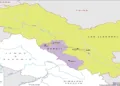
The desire for Ladakh’s separate status is not a creation of 2019; it dates back to 1948, when local leaders urged Jawaharlal Nehru for autonomy. In 1964, Kushok Bakula Rinpoche mobilised Ladakhis for UT status. In 1989, protests escalated, with the Ladakh Buddhist Association (LBA) presenting memorandums to Delhi. The eventual creation of the Ladakh Autonomous Hill Development Council (LAHDC) in 1995 only partially addressed their aspirations.
For decades, Congress governments avoided tampering with Article 370, which would have allowed Ladakh’s separation from Jammu and Kashmir. The Modi government finally delivered, fulfilling a 70-year-old demand in 2019.
But the narrative soon shifted.
From UT to statehood: The escalation of demands
After achieving UT status, the Centre launched multiple development projects, including a central university, a hotel management institute, new colleges, roads, bridges, and packages worth crores. Yet, suspicion grew that outsiders would take Ladakhi land and resources.
In 2023, Wangchuk began his outdoor hunger strikes, demanding “constitutional safeguards.” His protests gained traction, drawing support from the Leh Apex Body (LAB) and Kargil Democratic Alliance (KDA). By 2024, sit-ins, padyatras, and strikes became regular features.
The demands expanded to full statehood, Sixth Schedule inclusion, a separate Public Service Commission, and two Lok Sabha seats. The Home Ministry accepted two of these demands and initiated structured dialogues. Meetings with Home Minister Amit Shah reassured Ladakh’s leaders that Delhi was open to further negotiations.
Yet, even as talks were ongoing and new meetings scheduled for September 25-26 and October 6, violence broke out.
The shadow of conspiracy
This raises the central question: If talks were underway, why ignite unrest?
The Home Ministry revealed that multiple formal and informal discussions had taken place with Ladakhi leaders. But on the eve of fresh negotiations, mobs turned violent. Videos of Wangchuk invoking “Arab Spring” and Nepal’s GenZ protests added to concerns that global protest playbooks were being transplanted into Ladakh.
His rhetoric echoed not democratic negotiation but revolution: “The government has denied us democracy and employment. Circumstances could escalate into a crisis.”
Was this merely agitation or a script for chaos?
Congress’s role under scrutiny
The violence would have seemed like spontaneous anger if not for the leaked footage of Congress councillor Tsepang openly inciting mobs with weapons. The BJP quickly released the videos, alleging a Congress-Wangchuk nexus designed to destabilise Ladakh.
This allegation gains weight when seen against the broader political backdrop. Congress, which for decades failed to grant Ladakh its UT status, now finds itself aligning with protests against the very move Ladakhis once celebrated.
Why the Shift? The politics behind the protests
Three factors explain the transformation of Wangchuk from “grateful reformer” to “accused instigator”:
Political Exploitation of Aspirations: Genuine demands for safeguards were hijacked by opportunistic politics. By invoking international protest templates like Nepal’s GenZ or the Arab Spring, Wangchuk framed Ladakh’s struggle as a revolutionary crisis, not a democratic dialogue.
Congress’s Attempt to Reclaim Space: Having lost credibility on Ladakh, Congress now backs agitators to portray BJP as insensitive to local concerns, even if it means igniting violence.
Global Funding Questions: Wangchuk has faced scrutiny over foreign connections and funding, raising concerns about whether outside influences are fuelling Ladakh’s volatility.
The cost of manufactured unrest
The September violence has left Ladakh scarred, four lives lost, BJP offices charred, security vehicles destroyed, and deep mistrust among communities. What was once a national success story of peaceful integration now risks being overshadowed by an impression of chaos.
For India, the stakes are higher than local politics. Ladakh borders both Pakistan and China, making stability in the region not just a domestic issue but a matter of national security.
Dialogue vs Destabilisation
The Modi government has reiterated its commitment to dialogue. A High Powered Committee continues to negotiate demands with Ladakhi leaders. Amit Shah’s assurances remain on record. The Centre has already conceded key administrative demands and signalled openness to discuss constitutional safeguards.
But the sudden turn to violence, even as talks continued, suggests that for some actors, chaos is preferable to compromise.
A cautionary tale of betrayed trust
Sonam Wangchuk’s journey, from thanking Modi for Ladakh’s UT status to inciting violence that left four people dead, symbolises the dangers of political opportunism and external manipulation. Congress’s visible involvement deepens the suspicion that legitimate aspirations were twisted into a conspiracy for unrest.
The tragedy of Ladakh is not that its people demanded more, it is that their aspirations were cynically hijacked, just as peace and progress were within reach.