Deadly brain infection spreads in Kerala
October 3, 2026
  • Read Ecopy
  • Circulation
  • Advertise
  • Careers
  • About Us
  • Contact Us
Android AppiPhone AppArattai
Organiser
  • ‌
  • Bharat
    • Assam
    • Bihar
    • Chhattisgarh
    • Jharkhand
    • Maharashtra
    • View All States
  • World
    • Asia
    • Europe
    • North America
    • South America
    • Africa
    • Australia
  • Editorial
  • International
  • Opinion
  • RSS @ 100
  • More
    • World Hindu Congress 2026
    • Op Sindoor
    • Analysis
    • Sports
    • Defence
    • Politics
    • Business
    • Economy
    • Culture
    • Special Report
    • Sci & Tech
    • Entertainment
    • G20
    • Azadi Ka Amrit Mahotsav
    • Vocal4Local
    • Web Stories
    • Education
    • Employment
    • Books
    • Interviews
    • Travel
    • Law
    • Health
    • Obituary
  • Subscribe
    • Subscribe Print Edition
    • Subscribe Ecopy
    • Read Ecopy
  • ‌
  • Bharat
    • Assam
    • Bihar
    • Chhattisgarh
    • Jharkhand
    • Maharashtra
    • View All States
  • World
    • Asia
    • Europe
    • North America
    • South America
    • Africa
    • Australia
  • Editorial
  • International
  • Opinion
  • RSS @ 100
  • More
    • World Hindu Congress 2026
    • Op Sindoor
    • Analysis
    • Sports
    • Defence
    • Politics
    • Business
    • Economy
    • Culture
    • Special Report
    • Sci & Tech
    • Entertainment
    • G20
    • Azadi Ka Amrit Mahotsav
    • Vocal4Local
    • Web Stories
    • Education
    • Employment
    • Books
    • Interviews
    • Travel
    • Law
    • Health
    • Obituary
  • Subscribe
    • Subscribe Print Edition
    • Subscribe Ecopy
    • Read Ecopy
Organiser
  • Home
  • Bharat
  • World
  • Operation Sindoor
  • Editorial
  • Analysis
  • Opinion
  • Culture
  • Defence
  • International Edition
  • RSS @ 100
  • Magazine
  • Read Ecopy
Home Bharat

Rare brain-eating amoeba outbreak in Kerala claims 19 lives: What you need to know

Kerala is witnessing a worrying spike in Primary Amoebic Meningoencephalitis, a rare but deadly brain infection caused by the "brain-eating amoeba" Naegleria fowleri. The infection has already claimed 19 lives, prompting urgent warnings and safety guidelines from health authorities

WEBDESKWEBDESK
Sep 18, 2025, 02:30 pm IST
inBharat, Keralam, Health
Follow on Google News
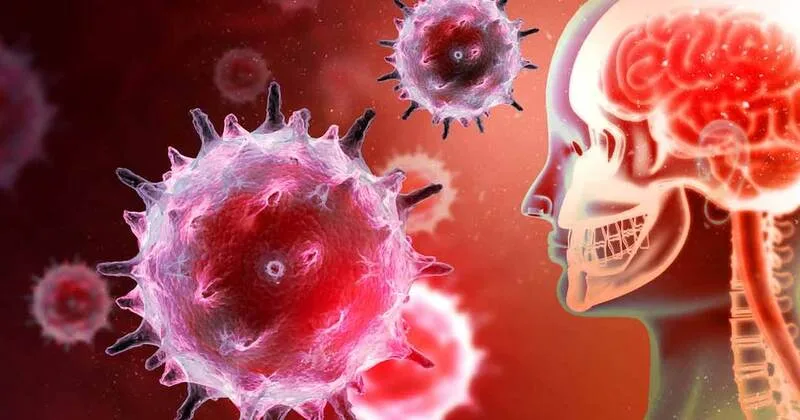
Representative image

Representative image

Facebook
Twitter
WhatsAppTelegramEmail

Kerala health authorities are on high alert following a surge in cases of Primary Amoebic Meningoencephalitis (PAM), a rare but deadly brain infection caused by Naegleria fowleri, often referred to as the “brain-eating amoeba.” So far this year, the state has reported 61 confirmed cases and 19 deaths, with many of the fatalities occurring in recent weeks.

Health Minister Veena George described the situation as a serious public health concern. While previous outbreaks were largely confined to specific districts such as Kozhikode and Malappuram, recent cases have been reported sporadically across the state. Victims have ranged in age from a three-month-old infant to a 91-year-old senior citizen.

“Unlike last year, we’re not seeing clusters linked to a single water source,” said the Minister. “These are isolated cases, which has made our epidemiological investigations far more challenging.”

Primary Amoebic Meningoencephalitis is a rare but often fatal infection that affects the central nervous system, according to a Kerala government report. The infection causes rapid destruction of brain tissue, leading to severe brain swelling and, in most cases, death. PAM typically affects otherwise healthy individuals, particularly children, teenagers, and young adults.

The infection is caused by Naegleria fowleri, commonly found in warm, stagnant freshwater sources such as ponds, lakes, and poorly maintained swimming pools. The amoeba enters the body through the nose, specifically through the olfactory mucosa and cribriform plate, and travels to the brain. The report emphasises that drinking contaminated water does not cause the disease, only nasal exposure poses a risk. This places individuals who swim, dive, or bathe in freshwater bodies contaminated with the amoeba at a significantly higher risk of infection.

Also Read: Aranmula Uthrattathi: A sacred symphony of myth, mirror, and the pampa

The document also highlights the role of climate change in increasing vulnerability. “Rising water temperatures due to global warming, combined with more people turning to water-based recreation to escape the heat, are likely to increase exposure to this pathogen,” it notes. Importantly, the infection is not contagious and does not spread from person to person.

Symptoms of PAM Infection

Primary Amoebic Meningoencephalitis is extremely difficult to diagnose and carries a very high fatality rate. Its early symptoms closely resemble those of bacterial meningitis, headache, fever, nausea, and vomiting.

According to a Kerala government document, “By the time more common causes of meningitis are ruled out and PAM is considered, it is often too late to prevent the rapid brain swelling that leads to death.”

Most patients arrive at medical facilities showing clear signs of central nervous system involvement. PAM typically occurs during warmer months and is more frequently seen in individuals with recent exposure to warm, stagnant freshwater through activities like swimming, diving, or bathing.
Symptoms can develop anywhere between one to nine days after exposure, with the disease progressing rapidly, often within hours to a couple of days. The amoeba uses the neuro-olfactory route to reach the brain, bypassing the body’s immune defenses and triggering a swift and severe course of illness.

How Is PAM treated?

Treatment for Primary Amoebic Meningoencephalitis remains extremely challenging due to the rapid progression of the disease and difficulty in early diagnosis. Nearly all known survivors over the past six decades were diagnosed before the infection reached the brain. This underscores the importance of early detection and prompt treatment.

“Early diagnosis and timely initiation of a combination of antimicrobial drugs can be lifesaving,” a Kerala government document states. Health Minister Veena George has also emphasised that “early detection is key” in improving survival chances. However, the document notes several obstacles: the rarity of PAM, its fast and aggressive course, and the challenges in diagnosing it quickly have all made it difficult to evaluate the effectiveness of various drug regimens. Ideally, treatment should include a drug, or a combination of drugs, with proven amoebicidal action and the ability to cross the blood-brain barrier.

In light of the situation, the Kerala government has urged anyone who develops symptoms consistent with PAM after exposure to stagnant freshwater to seek immediate medical attention.

Kerala reported its first PAM case in 2016. Until 2023, only eight cases had been confirmed in the state. However, there was a sharp rise in 2024, with 36 cases and nine deaths. This year, the numbers have nearly doubled: 69 confirmed cases and 19 deaths have already been reported.
In response, the state is intensifying efforts to prevent new infections. Public health advisories urge people to avoid swimming or bathing in untreated or stagnant freshwater sources like ponds and lakes. Swimmers are encouraged to use nose clips when entering freshwater, and residents are advised to properly clean and chlorinate wells and water tanks to reduce the risk of contamination.


Topics: Infectious diseasesKerala Health CrisisBrain Eating AmoebaPAM InfectionNaegleria FowleriWater borne DiseasesHealth Safety Tips
Share
Tweet
SendShareSend
✮ Subscribe Organiser YouTube Channel. ✮
✮ Join Organiser's WhatsApp channel for Nationalist views beyond the news. ✮
Previous News

MobiKwik app glitch triggers Rs 40 cr scam as Gurugram police arrest Amir, Wasim & four others; 2,500 accounts frozen

Next News

Karnataka: Entrepreneurs warn of exodus from Bengaluru due to bad roads; AP minister extends red carpet welcome

Related News

Representative image

US records over 800 confirmed cases of measles this year

Representative image

Study finds designing self-destructing bacteria make effective tuberculosis vaccines

Representative image

Researchers find genetic variants linked to uncommon, deadly illness

Load More

Latest News

SJTA plans dedicated darshan assistance for elderly and divyang devotees and restoration of 1.5 acres of temple land

Odisha: Shri Jagannath Mandir plans dedicated darshan assistance for elderly and divyang devotees

Representative image

Weekly Love Jihad Report: From fake names to fake social media accounts – Here’s how Islamists targeted Hindu women

Shivaji Park locals expressed anger against CJP protest

CJP’s Shivaji Park show fizzles in Mumbai: Low turnout, clueless crowd, angry residents and strong counter-protest

Former chief election commissioner Navin Chawla

From emergency indictment to election commission: The Navin Chawla record that Congress would rather not discuss

RSS All-India contact chief (Sampark Pramukh) Ramlal ji

Women farmers must be at forefront of policymaking: RSS Sampark Pramukh Ramlal ji

AI Generated Representative Image

Swachhata Hi Seva 2026: How Bharat’s festivals are rediscovering their green dharma

27th National Conference of Akhil Bharatiya Poorva Sainik Seva Parishad Begins at Kaneri Math

27th National Conference of ABPSSP focusses on Agniveer rehabilitation & social security

PM Modi's Mann ki Baat completes 12 years

12 years of PM Narendra Modi’s radio program ‘Mann Ki Baat’: Serves as a public platform inspiring millions of Indians

Tamil Nadu: DMK faces legal heat as leaders face arrests, ED probe ahead of October 6 bypolls

Flydubai Attack: UAE condemns ‘Terrorist Act’; Israel thanks Captain Smit, Pro-Palestine leaflets found with Oman pilot

Load More
  • Privacy
  • Terms
  • Cookie Policy
  • Refund and Cancellation
  • Delivery and Shipping

© Bharat Prakashan (Delhi) Limited.
Tech-enabled by Ananthapuri Technologies

  • Home
  • Search Organiser
  • Bharat
    • Assam
    • Bihar
    • Chhattisgarh
    • Jharkhand
    • Maharashtra
    • View All States
  • World
    • Asia
    • Africa
    • North America
    • South America
    • Europe
    • Australia
  • Editorial
  • Operation Sindoor
  • Opinion
  • Analysis
  • Defence
  • Culture
  • Sports
  • Business
  • RSS @ 100
  • Entertainment
  • More ..
    • Sci & Tech
    • Vocal4Local
    • Special Report
    • Education
    • Employment
    • Books
    • Interviews
    • Travel
    • Health
    • Politics
    • Law
    • Economy
    • Obituary
  • Subscribe Magazine
  • Read Ecopy
  • Advertise
  • Circulation
  • Careers
  • About Us
  • Contact Us
  • Policies & Terms
    • Privacy Policy
    • Cookie Policy
    • Refund and Cancellation
    • Terms of Use

© Bharat Prakashan (Delhi) Limited.
Tech-enabled by Ananthapuri Technologies