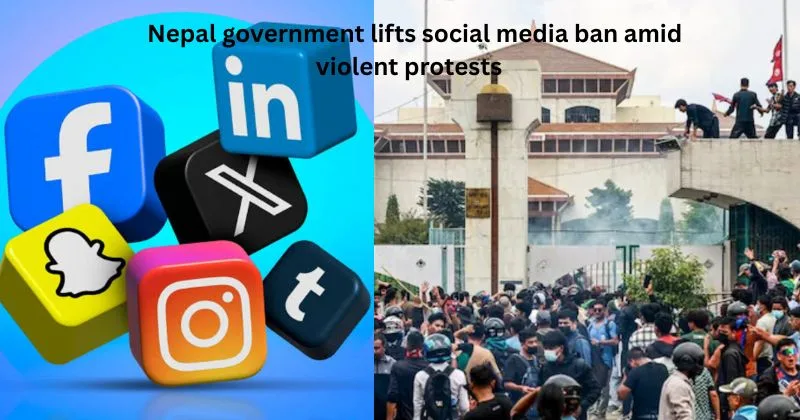
Kathmandu, Nepal – In a significant and dramatic reversal, the Nepal government has announced the withdrawal of its ban on 26 social media platforms, a move that follows massive and deadly protests led by a new generation of activists. The demonstrations, dubbed the “Gen Z Revolution,” saw thousands take to the streets, leaving at least 20 people dead and more than 300 injured in a powerful display of outrage against both the online restrictions and a government perceived as corrupt.
The decision to lift the ban, which had been in place for just three days, was made during an emergency Cabinet meeting held on Monday. Minister for Communication, Information and Broadcasting, Prithvi Subba Gurung, confirmed the withdrawal and urged protesters to end their agitation. The Ministry of Information has been tasked with restoring access to platforms including Facebook and X, which had been blocked for allegedly failing to register with Nepalese authorities as per new regulations.
STORY | After violent protests, Nepal government lifts ban on social media
The Nepal government on Monday announced that it has withdrawn its earlier decision to ban social media sites amid violent protests by youths that left at least 19 people dead and over 300 others injured.… pic.twitter.com/r6wc3T3QEI
— Press Trust of India (@PTI_News) September 8, 2025
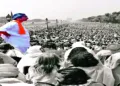
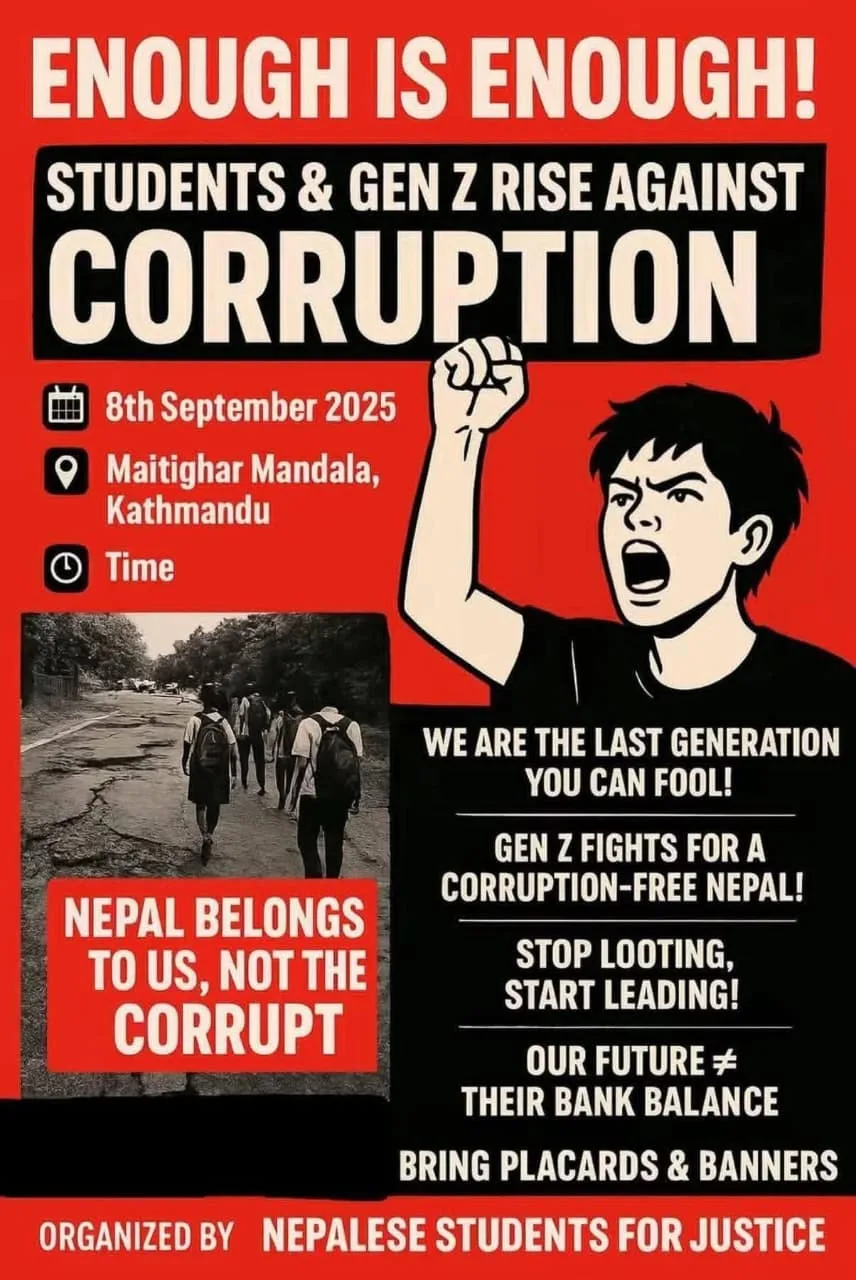
The protests, which initially began as an online movement, quickly spiraled into large-scale, violent demonstrations across the Himalayan nation. Gen Z demonstrators, many still in their school or college uniforms, led the charge, flooding the streets of Kathmandu and other major cities. They not only targeted the social media ban but also voiced deep-seated frustration with widespread corruption allegations against Prime Minister KP Sharma Oli’s government. The clashes between the young protesters and security forces escalated rapidly, with police resorting to live fire in several locations, leading to a high number of casualties.
The situation was so volatile that Nepal’s Home Minister, Ramesh Lekhak, tendered his resignation, citing a sense of moral responsibility in the face of the growing chaos. Despite the resignation and mounting public pressure, Prime Minister Oli initially stood firm on his decision to maintain the ban. He had previously been quoted as saying he would not “bow down before ‘Gen Z troublemakers'” and even declared, “Even if I have to step down as Prime Minister, I will not lift the ban on social media.” His rigid stance caused a significant rift within his own cabinet, with ministers from the Nepali Congress demanding the ban’s removal and eventually staging a walkout from a Cabinet meeting in protest.
The ‘Gen Z Revolution’ became a symbol of a deeper, more widespread discontent. As the demonstrations grew, protesters carried the national flag and held placards with powerful messages like “Shut down corruption and not social media” and “Youths against corruption.” An eyewitness, Suhana, while speaking to the medua, challenged the narrative that the protests were exclusively a Gen Z affair. She argued that the movement had attracted people from all age groups, including millennials and boomers, who were united by broader concerns over misgovernance and corruption. According to her, the protests had evolved into a “wider civil rights movement demanding accountability and change.”
In response to the escalating violence and the breakdown of law and order, authorities took drastic measures. A curfew was imposed in key areas of the capital, including the Parliament area, and dozens of other cities. An alert was also sounded in border districts near India. The Nepal Army was eventually deployed to assist in enforcing law and order in the protest-hit regions. By Monday night, the situation was largely under control, with most protesters having returned to their homes, but authorities remained on high alert, anticipating the possibility of renewed demonstrations.
The roots of the unrest lie in the government’s decision on September 4 to block 26 social media platforms. The Ministry of Communications and Information Technology had issued a notice giving companies a seven-day deadline from August 28 to register with Nepalese authorities. However, no major platform, including Meta (Facebook, Instagram, WhatsApp), Alphabet (YouTube), X, Reddit, and LinkedIn, complied with the directive. The government framed the ban as a matter of regulatory compliance, but protesters and many observers saw it as a transparent act of censorship aimed at stifling critical voices and organized dissent.
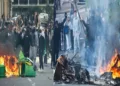
The march towards the Parliament building was particularly dramatic. Despite a phone and internet blackout, Gen Z activists used alternative platforms like TikTok and Reddit to mobilize thousands of young demonstrators. As they neared Parliament, police erected barricades, but the crowd, driven by anger, broke through, leading to a chaotic scene. Police deployed tear gas and water cannons, while protesters retaliated by hurling branches and water bottles. In a shocking moment captured on video, some protesters managed to breach the Parliament compound, with one man seen jumping over a wall as others vandalized and set fire to one of the gates, sending thick black smoke billowing into the air.
The National Human Rights Commission of Nepal has since condemned the security forces’ response, citing “excessive use of force” that resulted in the deaths and injuries of protesters. The commission’s statement further fueled public outrage, validating the protesters’ claims of brutal suppression. The government’s reversal on the social media ban is being seen by many as a clear victory for the protesters, demonstrating the power of grassroots mobilisation and the defiance of a generation that is no longer willing to tolerate corruption and restrictions on their fundamental freedoms.