





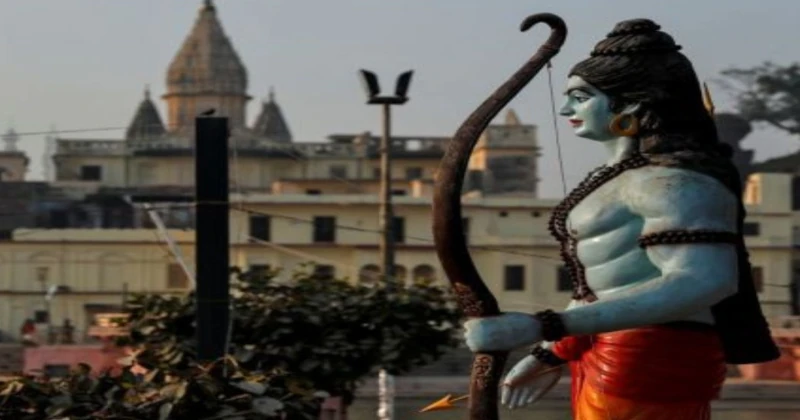
Ayodhya, the sacred city synonymous with devotion to Bhagwan Ram, is preparing for yet another milestone in its cultural journey. As the grand mandir town gears up for Deepotsav celebrations, officials have announced that a state-of-the-art wax museum is about to be completed and will be inaugurated during the festival. Spread across 10,000 square feet along the Parikrama Path, this one-of-a-kind museum will feature the Ramayana’s most iconic characters and episodes, recreating mythological history through lifelike wax artistry and modern technology.
According to the officials, this museum will feature nearly 50 lifelike wax statues of revered characters from the Ramayana. Among them will be Bhagwan Shri Ram, Mata Sita, Lakshman Ji, Bhagwan Hanuman, Sugriv, and Jatayu, each sculpted with meticulous attention to detail. The makers have focused on intricate facial expressions, authentic costumes, and historical accuracy to ensure that the figures resonate with the devotion and reverence that is associated with them.
Municipal commissioner Jayendra Kumar said that construction is at a fast pace and being monitored regularly to ensure the museum opens to the public in time for Deepotsav. “This project is not just about building a museum. It is about creating a spiritual and cultural space that will immerse devotees and tourists in the timeless values of the Ramayana,” he added.
The project, which has already seen an investment of Rs 7.5 crore, is being executed with collaboration between a Maharashtra-based organisation and skilled experts from Kerala, known for their craftsmanship in mandir arts and sculptures.
What makes the Ayodhya Wax Museum remarkable is its narrative style. Rather than simply displaying statues, the museum will recreate prominent episodes of the Ramayana through a blend of wax figures, artistic sets, and modern audio-visual effects.
Key episodes to be highlighted include:
- The Abduction of Sita by Ravan – Depicting the pivotal moment when the demon king took away Mata Sita, setting the stage for the epic war.
- Hanuman’s Journey to Lanka – Depicting his legendary leap across the ocean, a timeless symbol of courage, devotion, and divine power.
- The Ram-Ravan Battle – Recreating the climactic fight between Bhagwan Ram and Ravan, with wax figures posed in dynamic battle sequences.
- The Construction of the Ram Setu – Showcasing the legendary bridge built by the Vanara Sena under Bhagwan Ram’s guidance, embodying unity, faith, and determination.
These episodes, officials said, will not only allow visitors to visualize the story but also immerse them emotionally, making them feel as though they are part of the great epic itself.
Infusing Technology with Tradition
In addition to wax artistry, the museum will also employ interactive displays, audio-visual effects, and special lighting techniques in order to enhance the overall storytelling experience. With these features, the museum will be more appealing especially to children and youth, who may find mythology more engaging through technology-driven exhibits.
Visitors will be able to listen to narrations of each episode, see animated sequences blended with wax statues, and explore detailed background sets that replicate forests, palaces, and battlefields. This fusion of traditional sculpture with modern innovation is expected to create an immersive journey into the world of the Ramayana.
Ayodhya has been steadily transforming into a global center of spiritual tourism, especially with the consecration of the Shri Ram Mandir earlier this year. The upcoming wax museum adds another dimension to the city’s cultural attractions.
Officials believe that the museum will attract both Indian and foreign tourists, giving them a mix of devotion, learning, and entertainment. It will also help showcase India’s art and culture to the world.
“The wax museum is not just a tourist attraction; it is a cultural bridge. Through it, the timeless values of the Ramayana i.e. truth, duty, devotion, and sacrifice, will reach a wider audience,” said a senior official from the Ayodhya administration.
Deepotsav, which is celebrated a day before Diwali, has become a grand annual spectacle in Ayodhya. This year, the inauguration of the wax museum is expected to be one of the key highlights of the celebrations. The timing is significant, as it aligns the museum’s opening with an event that already symbolizes light, hope, and victory of good over evil, the central theme of the Ramayana itself.
The makers of the wax figures have gone to great lengths to ensure authenticity. The Maharashtra-based team has worked in tandem with artisans from Kerala, who bring expertise in costume design, facial detailing, and religious symbolism.
Each statue has been carefully researched, using references from ancient texts, paintings, and mandir carvings. Special attention has been given to Bhagwan Ram’s calm yet resolute expression, Sita’s grace and dignity, Hanuman’s strength combined with humility, and Ravan’s fierce determination. This combination of artistry, devotion, and historical research ensures that the museum not only entertains but also educates.
Once completed, the Ayodhya Wax Museum will join the ranks of other iconic wax museums in the world but with a distinct identity. Unlike global counterparts that feature celebrities, world leaders, or entertainers, Ayodhya’s museum will be dedicated entirely to a spiritual and cultural narrative, setting it apart as a first-of-its-kind endeavor.
Officials expect the museum to attract scholars, artists, and cultural enthusiasts in addition to pilgrims. Over time, it may also become a hub for Ramayana research and educational programs. This will further enrich Ayodhya’s role as a center of Indian heritage.












Comments