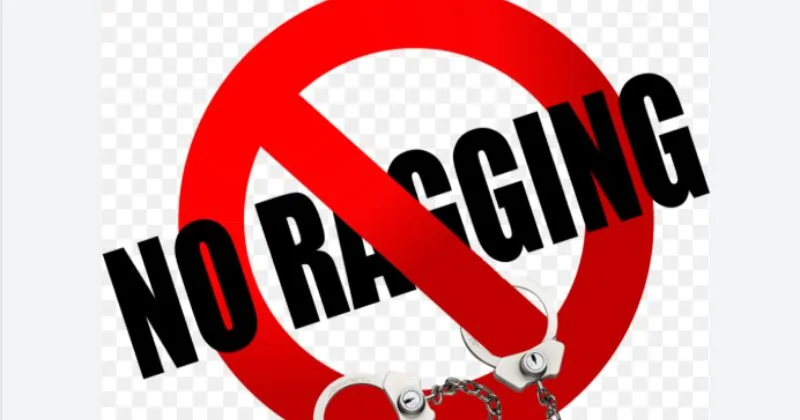
UGC Anti-Ragging Guidelines: Ensuring safety of students
September 14, 2026
  • Read Ecopy
  • Circulation
  • Advertise
  • Careers
  • About Us
  • Contact Us
Android AppiPhone AppArattai
Organiser
  • ‌
  • Bharat
    • Assam
    • Bihar
    • Chhattisgarh
    • Jharkhand
    • Maharashtra
    • View All States
  • World
    • Asia
    • Europe
    • North America
    • South America
    • Africa
    • Australia
  • Editorial
  • International
  • Opinion
  • RSS @ 100
  • More
    • World Hindu Congress 2026
    • Op Sindoor
    • Analysis
    • Sports
    • Defence
    • Politics
    • Business
    • Economy
    • Culture
    • Special Report
    • Sci & Tech
    • Entertainment
    • G20
    • Azadi Ka Amrit Mahotsav
    • Vocal4Local
    • Web Stories
    • Education
    • Employment
    • Books
    • Interviews
    • Travel
    • Law
    • Health
    • Obituary
  • Subscribe
    • Subscribe Print Edition
    • Subscribe Ecopy
    • Read Ecopy
  • ‌
  • Bharat
    • Assam
    • Bihar
    • Chhattisgarh
    • Jharkhand
    • Maharashtra
    • View All States
  • World
    • Asia
    • Europe
    • North America
    • South America
    • Africa
    • Australia
  • Editorial
  • International
  • Opinion
  • RSS @ 100
  • More
    • World Hindu Congress 2026
    • Op Sindoor
    • Analysis
    • Sports
    • Defence
    • Politics
    • Business
    • Economy
    • Culture
    • Special Report
    • Sci & Tech
    • Entertainment
    • G20
    • Azadi Ka Amrit Mahotsav
    • Vocal4Local
    • Web Stories
    • Education
    • Employment
    • Books
    • Interviews
    • Travel
    • Law
    • Health
    • Obituary
  • Subscribe
    • Subscribe Print Edition
    • Subscribe Ecopy
    • Read Ecopy
Organiser
  • Home
  • Bharat
  • World
  • Operation Sindoor
  • Editorial
  • Analysis
  • Opinion
  • Culture
  • Defence
  • International Edition
  • RSS @ 100
  • Magazine
  • Read Ecopy
Home Bharat

UGC Anti-Ragging Guidelines: Strict punishments to ensure safe and inclusive campuses

UGC has declared ragging a serious criminal offence, enforcing strict penalties including expulsion, fines, and imprisonment. All educational institutions must follow anti-ragging rules to create safe, respectful learning environments

WEBDESKWEBDESK
Jul 12, 2025, 07:00 am IST
inBharat, Education
Follow on Google News
Representative Image

Representative Image

Facebook
Twitter
WhatsAppTelegramEmail

University Grants Commission (UGC) has declared ragging a criminal offence and has laid down strict laws and punishments to eliminate it completely from campuses. It is a collective responsibility of institutions, students, parents, and society at large to say a firm “No” to ragging and ensure that our campuses remain places of learning, safety, and mutual respect. Ragging is a criminal practice which continues to plague many educational institutions in India for a long long time. Despite being masked as a tradition or a way for seniors to ‘welcome’ their juniors, it is nothing less than a harassment that causes physical, mental, as well as emotional harm to a person.

The UGC has launched a nationwide anti-ragging campaign and issued clear guidelines and punitive actions that can be taken against students found guilty of ragging. According to UGC, institutions must ensure strict compliance with anti-ragging measures and must report their compliance on the official portal www.antiragging.in. In addition, a 24×7 National Anti-Ragging Helpline is available to assist students in distress. Victims or even witnesses of ragging can reach out for support through the toll-free number 1800-180-5522 or by emailing at [email protected].

https://twitter.com/ugc_india/status/1943513075564581175?s=48 )

The advisory issued by UGC highlights three primary punitive actions against ragging: expulsion, examination restrictions, and imprisonment. First, any student found guilty of ragging can be expelled from the institution. This expulsion may include a permanent ban from taking admission in any other educational institution. Additionally, a monetary penalty of up to Rs 25,000 may be imposed on the guilty person. This measure will ensure that serious consequences are faced by anyone who disrupts the academic atmosphere or causes harm to juniors/ fellow students.

Second, the UGC mandates that students involved in ragging may be barred from appearing in internal or university examinations. Their exam results may be withheld as a punishment which will significantly affect their academic journey. This restriction will directly hit the academic interests of the student and acts as a strong deterrent. Missing out on critical examinations or having results withheld can delay graduation and affect career opportunities of the students who are involved in such activities.

The third most severe, punishment is imprisonment. As per the UGC’s guidelines, a student convicted of ragging may face imprisonment of up to two years. Alternatively, the offender may be penalized with a fine of up to Rs 10,000, or face both imprisonment and a fine, depending on the severity of the offence. Criminal charges and jail time can leave a permanent scar on a student’s record, ruining their career and personal life. This legal provision makes it clear that ragging is not a minor offence or a student prank, it is a crime punishable under Indian law.

To further strengthen this initiative, UGC has requested all higher educational institutions to actively participate in making their campuses ragging-free. Institutions are required to establish anti-ragging committees and squads, organize orientation programs for awareness, prominently display anti-ragging posters in hostels and public areas, and incorporate anti-ragging messages in admission forms and prospectuses. Institutions that fail to take preventive action or respond to complaints in a timely manner may themselves be subject to penalties, including withdrawal of recognition, suspension of grants, or even disaffiliation from the UGC.

The message to all institutions is loud and clear: ragging is a crime and must not be tolerated. All students have the right to pursue education in a safe and supportive environment. The days of treating ragging as a harmless tradition are over. It is now a punishable act, and those who engage in it will face serious consequences. Creating a culture of empathy, understanding, and cooperation among students is essential for building an inclusive learning space.

In addition to English advisories, the UGC has also circulated messages in Hindi to reach a wider student population across the country. One such message reads, “रैगिंग एक आपराधिक अपराध है – रैगिंग को ना कहें!” which means “Ragging is a punishable crime – Say no to ragging completely!” Another important message from UGC urges all higher education institutions to strictly follow anti-ragging policies and report their compliance on www.antiragging.in. Institutions are reminded that ignoring these measures can have serious administrative consequences.

Ragging-free campuses are not just a policy goal, they are a moral imperative. Every stakeholder must pledge to protect students from humiliation and harm. Students should understand that speaking up against ragging is not disloyalty, it is a brave and responsible step toward ensuring a safer campus for everyone. Even bystanders should come forward to report any such incidents without fear, because staying silent only empowers the perpetrators.

In conclusion, ragging is a deeply harmful practice that must be eradicated through strict laws, vigilant institutions, and a culture of zero tolerance. The UGC has made it clear that ragging will not be tolerated, and anyone found guilty will be punished as per the law. Educational institutions are temples of learning, not battlegrounds for bullying and humiliation. Let us unite in making every college and university in India a safe, welcoming, and empowering space. Say no to ragging. Choose respect over fear. And if you see or experience ragging, don’t hesitate, call 1800-180-5522 or write to [email protected]. Together, we can ensure that the future of education in India is bright, safe, and free from the horrors of ragging.

What is ragging and its effects?

Ragging is any act of abuse, humiliation, or harassment directed by one or more students towards a fellow student, often under the pretext of introducing them to campus life. It can take many forms- verbal teasing, forced activities, psychological pressure, physical assault, or even online bullying. While it is often disguised as a way for seniors to ‘bond’ with juniors, in reality, ragging is a serious violation of a student’s dignity and basic human rights.

The impact of ragging on a person can be deeply damaging. Victims often experience intense emotional trauma, anxiety, fear, and a loss of confidence. It can lead to withdrawal from social life, poor academic performance, and in severe cases, depression, suicidal thoughts, or even self-harm. The psychological scars of ragging can last long after the incident, affecting a person’s personal and professional life. It also creates a toxic environment on campus where fear overshadows learning. No student deserves to go through such trauma, which is why ragging must be stopped completely, and campuses must promote respect, safety, and equality for all.


Topics: National Anti-Ragging HelplineUGCUniversity Grants Commissionragging
Share
Tweet
SendShareSend
✮ Subscribe Organiser YouTube Channel. ✮
✮ Join Organiser's WhatsApp channel for Nationalist views beyond the news. ✮
Previous News

Digital India Foundation flags security threat over Pakistan bid to join global AI Alliance Network (AIANET)

Next News

Ahmedabad Air India Crash: Fuel control switch error caused engine failure, says AAIB preliminary investigation report

Related News

National Sports Day (This image is generated by AI)

National Sports Day 2026: UGC asks HEIs to join celebrations from August 28-30; check theme, history and significance

UGC asks HEIs to encourage students, faculty and industry to join University Townships Survey

University Townships Initiative: UGC urges HEIs to encourage participation in MyGov survey

UGC Opens Door for One-Year Online Master's Courses

UGC allows eligible universities to offer one-year PG courses in online, ODL mode under NEP 2020

Uttar Pradesh Cabinet has approved amendments to the Madrasa Education Act, ending the recognition of Kamil and Fazil degrees

Uttar Pradesh: Yogi government ends recognition of Kamil and Fazil degrees in line with Supreme Court ruling

Representative Image

Viksit Bharat Shiksha Adhishthan Bill 2025: Mandate to promote Bharatiya ‘Gyan’ & ‘Bhasha’

The proposed ‘Viksit Bharat Shiksha Adhishthan’ aims to transform India into a knowledge-driven, self-reliant, and globally competitive nation through modern and inclusive education

‘Viksit Bharat Shiksha Adhishthan’: A transformative vision to build a knowledge-driven and self-reliant India

Load More

Latest News

Fact Check: Viral Video Falsely Claims PM Modi Said He Would End Poverty ‘In One Go’

FACT CHECK: Did PM Modi say he would end poverty in Bharat in one go? Viral video is clipped

At just 19, Mohammad Nabeel built an online Al-Qaeda network in UP

Al-Qaeda plot in UP: 19-year-old Mohammad Nabeel arrested over plan to recruit youths for Jihad

A representative image

Bankers Books Evidence Act 2026 to replace 1891 law from October 1: Here’s what will change?

SSC CGL exam Schedule (This is an AI generated image)

SSC CGL Tier 1 exams from September 30 to October 30; Check schedule and admit card details, vacancies

New Delhi, Sep 12 (ANI): Prime Minister Narendra Modi holds a bilateral meeting with Chinese President Xi Jinping on the sidelines of the BRICS Summit 2026, in New Delhi on Saturday. External Affairs Minister S. Jaishankar, NSA Ajit Doval and Principal Secretaries to the PM, Pramod Kumar Mishra and Shaktikanta Das also present. (@MEAIndia X/ANI Photo)

BRICS 2026: Why Putin, Xi and Pezeshkian meetings stand out in PM Modi’s diplomacy

Odisha Chief Minister Mohan Charan Majhi addresses the media at Bhubaneswar airport after returning from his UAE visit on September 13, 2026.

Odisha secures Rs 2.43 lakh crore investment proposals during CM Majhi’s five-day UAE outreach programme

Bhagwan Ganesh

Ganesh Chaturthi: Rationale behind worshipping Bhagwan Ganesh

RSS Akhil Bharatiya Sah-Bauddhik Shikshan Pramukh Deepak Vispute addressing the gathering

‘Nation First’ should be the guiding principle for every individual, regardless of their Field: Deepak Vispute

‘India was not poor; it was made poor’: The truth re-emerges through Jema Ferrer’s perspective

Six years after talent manager Disha Salian was found dead, her father Satish Salian on September 11 recorded a detailed statement with the Central Bureau of Investigation (CBI), naming Shiv Sena (UBT) leader Aaditya Thackeray, actors Dino Morea and Sooraj Pancholi, and others.

Disha Salian Murder Case: Father names Aaditya Thackeray in CBI statement; Lawyer claims gang rape, murder cover-up

Load More
  • Privacy
  • Terms
  • Cookie Policy
  • Refund and Cancellation
  • Delivery and Shipping

© Bharat Prakashan (Delhi) Limited.
Tech-enabled by Ananthapuri Technologies

  • Home
  • Search Organiser
  • Bharat
    • Assam
    • Bihar
    • Chhattisgarh
    • Jharkhand
    • Maharashtra
    • View All States
  • World
    • Asia
    • Africa
    • North America
    • South America
    • Europe
    • Australia
  • Editorial
  • Operation Sindoor
  • Opinion
  • Analysis
  • Defence
  • Culture
  • Sports
  • Business
  • RSS @ 100
  • Entertainment
  • More ..
    • Sci & Tech
    • Vocal4Local
    • Special Report
    • Education
    • Employment
    • Books
    • Interviews
    • Travel
    • Health
    • Politics
    • Law
    • Economy
    • Obituary
  • Subscribe Magazine
  • Read Ecopy
  • Advertise
  • Circulation
  • Careers
  • About Us
  • Contact Us
  • Policies & Terms
    • Privacy Policy
    • Cookie Policy
    • Refund and Cancellation
    • Terms of Use

© Bharat Prakashan (Delhi) Limited.
Tech-enabled by Ananthapuri Technologies