In a strong and emotional appeal that resonated with growing concerns in Tripura and amongst the indigenous people of Northeast region, royal scion and Tipra Motha Party founder Pradyot Kishore Manikya Debbarma on Sunday called upon all political parties—cutting across ideologies—to unite against illegal immigration from Bangladesh, warning that the future of Tripura and the entire Northeast is at stake.
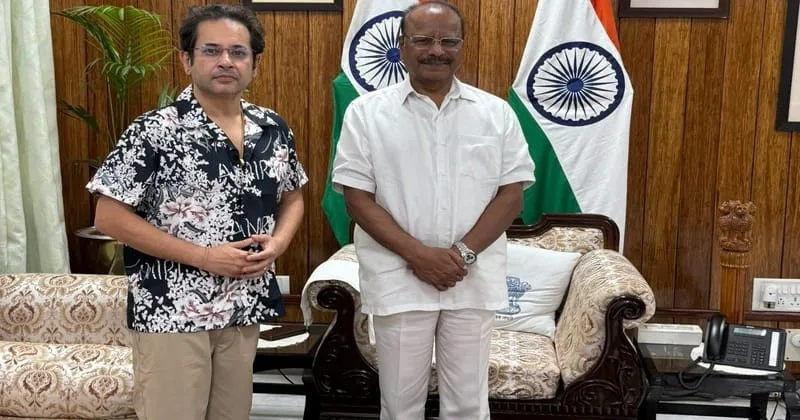
Debbarma made the statement after emerging from a meeting with Governor Indrasena Reddy Nallu at the Raj Bhavan in Agartala. He voices an urgency within the leadership of the region to deal with the threat of illegal immigration to NE from Bangladesh. The Tipra Motha has intensified its campaign against Bangladeshi infiltration. The regional party claims that the infiltration is rapidly altering the region’s demographic and political balance.
“This is not only about politics. This is about the identity of the people, our culture, and our future. If we don’t act now, the next generation will be the one to suffer most,” Debbarma told reporters outside the Governor’s residence. His voice was firm but measured—a leader speaking not just to his supporters, but to every resident of Tripura.
The Tipra Motha leadership has currently spearheaded a symbolic foot march from Agartala to Delhi, which began on Saturday from the North Gate, with the final destination set at Jantar Mantar in the national capital. The goal: to draw national attention to what they describe as a long-ignored but escalating crisis.
Leading the charge on foot is David Murasingh, a senior leader of the party, who didn’t mince words when addressing the crowd that gathered to see them off. “Bangladeshi infiltration is not just a local issue. It is an international problem. Our state government’s silence is alarming, and despite submitting numerous petitions and memorandums, we have received no answers. This march is our last resort,” Murasingh declared.
He further claimed that indigenous communities in Tripura are facing systemic exclusion, losing jobs, land, and political space due to demographic shifts caused by unchecked infiltration. “Our people are being pushed to the margins. Their voices are drowned. This march is to make sure Delhi listens,” he added.
The movement is gaining traction. Former Tipra Motha supremo Pradyot Debbarma, though not leading the march himself, has thrown his full weight behind the initiative. “David and the others have taken a brave and necessary step. Walking to Delhi is not easy, but it is symbolic of the struggle our people face every day. I stand with them. Every political party should,” Debbarma stated, calling for cross-party unity on the issue.
As the march progresses, emotions are running high, but so is resolve. What started as a symbolic journey now echoes as a larger cry for recognition, justice, and preservation of identity. And with leaders like Debbarma urging for political unity, the spotlight is once again on Delhi—to listen, to act, and to respond.