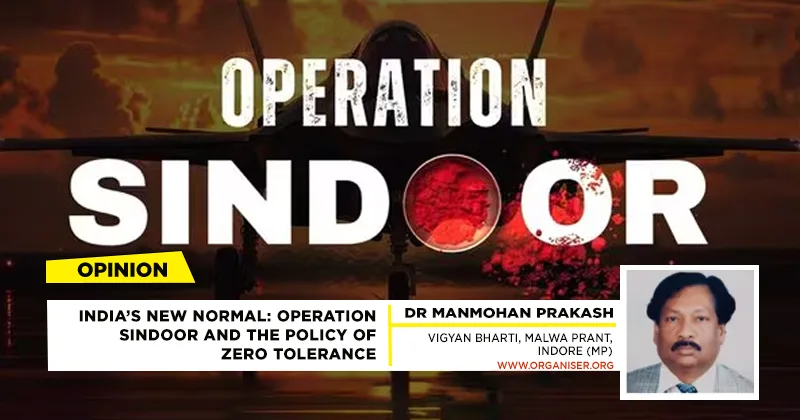
On April 22, 2025, the brutal massacre of 26 innocent tourists in Pahalgam, J&K, by Pakistan-sponsored terrorists, targeted based on their religion, shook the entire nation. The attack not only wiped the sacred sindoor (vermilion) off the foreheads of Indian women, but also struck at the very heart of India’s tolerance and patience.
In immediate response, the Government of India suspended the Indus Waters Treaty, expelled Pakistani diplomats, severed trade ties, and cancelled visas of Pakistani nationals, sending them back. Shortly after, on the night of May 6–7, 2025, the Indian Army was instructed to launch “Operation Sindoor”, a planned, limited, yet decisive military offensive. The objective was not only to punish the terrorists but also to send a clear message to their Pakistani patrons, providing them with shelter and support.
Decisive Military Success
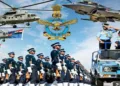
Within just four days, the operation came to symbolise Indian military strategy, secrecy, technological prowess, and unwavering willpower. Under Operation Sindoor, nine major terrorist camps located within Pakistan were destroyed, and over 100 terrorists were eliminated. Pakistan treated it as a declaration of war and responded, but its military suffered heavy losses. India’s vigilance, courage, and technical superiority once again triumphed, crowning Mother India with a mark of victory.
Severe Military Blow to Pakistan
During the operation, the Indian forces neutralised several Pakistani military airbases, fighter jets, hundreds of drones, missiles, and disabled its air defence systems, killing scores of soldiers. The message was clear: India had adopted a new military doctrine, “Strike within enemy territory.”
Regional and International Impact
The campaign worsened Pakistan’s already faltering economy. Inflation, unemployment, and public outrage soared. The international community clearly recognised Pakistan’s double standards on terrorism.
Independence movements in Balochistan, Sindh, Khyber Pakhtunkhwa, and Pakistan-occupied Kashmir received renewed momentum. Baloch leaders appealed to the United Nations for recognition as an independent nation. Slogans like “We want India, not Pakistan” echoed in POJK, further complicating matters for Pakistan.
India’s Policy and Global Message
Operation Sindoor made it clear that India would no longer pursue policies of “terror and talks,” “terror and trade,” or “terror and treaties” simultaneously. India’s foreign, defence, and counterterrorism policies are now based on zero tolerance.
Identification of Friends and Foes
The action also revealed true allies and disguised enemies. China, Turkey, and Azerbaijan supported Pakistan, signalling to India to remain cautious in future dealings. On the other hand, countries like France, Japan, Israel, Russia, and Australia strongly supported India’s actions.
The stance of the United States was once again disappointing. It could have halted IMF aid to Pakistan or demanded extradition of terrorists, especially given that Pakistan had earlier sheltered Osama bin Laden, the mastermind of 9/11. But the US failed to act, exposing its lack of genuine interest in eradicating global terrorism.
Victory of Indigenous Military Technology
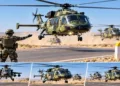
The Indian armed forces employed a range of indigenous weapon systems during Operation Sindoor, astonishing the enemy and denying them even a moment to respond. The accuracy and destructive power of these weapons gave the Indian military confidence in its security capabilities and boosted the morale of defence scientists and industries. Globally, demand surged for India’s “Make in India” defence products.
National Unity and Social Messages
The operation witnessed unprecedented unity across India. Political parties, social organisations, and citizens came together in unanimous support of the government. The message was clear: India thrives in diversity, but when it comes to national interest,“Nation comes first,” “National duty above all”, no foreign power can divide the people of India on religious lines.
A Strategic Military Milestone
Despite difficult geography and limited time, the Indian Army executed the mission with exceptional planning, coordination, secrecy, and resolve. This achievement will be recorded in golden letters in military history and will serve as a model case study in future military and diplomatic academies.
Undoubtedly, India lost some brave soldiers and civilians in Operation Sindoor. But their sacrifice elevated India’s anti-terror doctrine to global recognition. Sindoor has now become the mark of victory on Bharat Mata’s forehead.
India’s Clear Message
“Silence is no longer an answer to terrorism—revenge will be selective and precise. This is India’s new normal.”