India-Pakistan Relations in 2025
July 21, 2026
  • Read Ecopy
  • Circulation
  • Advertise
  • Careers
  • About Us
  • Contact Us
Android AppiPhone AppArattai
Organiser
  • ‌
  • Bharat
    • Assam
    • Bihar
    • Chhattisgarh
    • Jharkhand
    • Maharashtra
    • View All States
  • World
    • Asia
    • Europe
    • North America
    • South America
    • Africa
    • Australia
  • Editorial
  • International
  • Opinion
  • RSS @ 100
  • More
    • Op Sindoor
    • Analysis
    • Sports
    • Defence
    • Politics
    • Business
    • Economy
    • Culture
    • Special Report
    • Sci & Tech
    • Entertainment
    • G20
    • Azadi Ka Amrit Mahotsav
    • Vocal4Local
    • Web Stories
    • Education
    • Employment
    • Books
    • Interviews
    • Travel
    • Law
    • Health
    • Obituary
  • Subscribe
    • Subscribe Print Edition
    • Subscribe Ecopy
    • Read Ecopy
  • ‌
  • Bharat
    • Assam
    • Bihar
    • Chhattisgarh
    • Jharkhand
    • Maharashtra
    • View All States
  • World
    • Asia
    • Europe
    • North America
    • South America
    • Africa
    • Australia
  • Editorial
  • International
  • Opinion
  • RSS @ 100
  • More
    • Op Sindoor
    • Analysis
    • Sports
    • Defence
    • Politics
    • Business
    • Economy
    • Culture
    • Special Report
    • Sci & Tech
    • Entertainment
    • G20
    • Azadi Ka Amrit Mahotsav
    • Vocal4Local
    • Web Stories
    • Education
    • Employment
    • Books
    • Interviews
    • Travel
    • Law
    • Health
    • Obituary
  • Subscribe
    • Subscribe Print Edition
    • Subscribe Ecopy
    • Read Ecopy
Organiser
  • Home
  • Bharat
  • World
  • Operation Sindoor
  • Editorial
  • Analysis
  • Opinion
  • Culture
  • Defence
  • International Edition
  • RSS @ 100
  • Magazine
  • Read Ecopy
Home Bharat

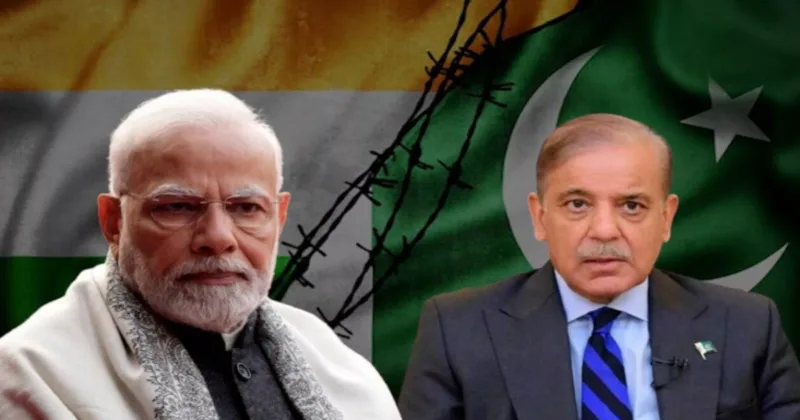
India-Pakistan Relations in 2025: Terrorism, military strategy and diplomatic realignment

India-Pakistan relations in 2025 remain deeply strained, shaped by persistent cross-border terrorism, evolving military postures, and shifting diplomatic alignments. As India continues to confront state-sponsored terror emanating from Pakistani soil, its strategic response has grown more assertive—both militarily and diplomatically

Vedika ZnwarVedika Znwar
May 23, 2025, 08:00 pm IST
in Bharat, World
Follow on Google News
FacebookTwitterWhatsAppTelegramEmail

In May 2025, India-Pakistan relations reached a critical juncture, marked by a surge in cross-border violence, temporary suspension of firing and renewed scrutiny of Pakistan’s military leadership. Indian External Affairs Minister S Jaishankar’s candid remarks underscored India’s evolving security doctrine and its firm stance against state-sponsored terrorism.

The Pahalgam Attack: A Catalyst for Escalation

On April 22, 2025, a brutal terrorist attack in Pahalgam, J&K, claimed the lives of 26 civilians, primarily Hindu tourists. The assailants reportedly verified the victims’ religious identities before executing them, indicating a deliberate attempt to incite communal discord and destabilize the region’s fragile peace. External Affairs Minister S Jaishankar attributed the attack to the “extreme religious outlook” of Pakistan’s Army Chief, Asim Munir, suggesting a direct link between Pakistan’s military leadership and the perpetrators’ motivations.

Jaishankar emphasised that the attack aimed to undermine Kashmir’s tourism industry, a vital component of the local economy. By targeting tourists, the assailants sought to instil fear and disrupt economic stability. The minister’s assertion that such acts are influenced by Pakistan’s military leadership reflects India’s growing frustration with what it perceives as continued support for terrorism by Pakistan’s establishment.

In retaliation, India launched Operation Sindoor, a series of precision strikes targeting terrorist hideouts across the Line of Control. The operation signified a shift in India’s counter-terrorism strategy, focusing on proactive measures to neutralize threats at their source. Prime Minister Narendra Modi’s declaration, “not blood, but sindoor flows in my veins,” underscored the operation’s symbolic significance and India’s resolve to protect its citizens.

Jaishankar clarified that while Operation Sindoor remained active in principle, it did not imply ongoing military engagement. The operation served as a deterrent, signalling India’s commitment to defending its sovereignty and responding decisively to acts of terror.

Following heightened tensions, India and Pakistan agreed to astop firing temporarily on May 10, 2025. Contrary to claims of international mediation, particularly by former US President Donald Trump, Jaishankar affirmed that the cessation of hostilities resulted from direct communication between the two nations’ military leadership. He stated, “We made one thing very clear to everybody who spoke to us, not just the US, but to everybody, saying if the Pakistanis want to stop fighting, they need to tell us. We need to hear it from them.”

Read More: All Maoists killed in Narayanpur encounter identified: Chhattisgarh DGP Arun Dev Gautam

This approach reflects India’s longstanding policy of resolving bilateral issues without third-party intervention, emphasizing sovereign decision-making and regional autonomy. By insisting on direct dialogue, India reinforced its position on managing conflicts through bilateral channels, thereby rejecting external influence in its diplomatic affairs.

Pakistan’s Military Involvement in Terrorism: A Persistent Concern
Jaishankar’s statements highlighted the pervasive role of Pakistan’s military in fostering terrorism. He asserted that the Pakistani army is “up to its neck” in supporting terrorist activities against India, noting that notorious terrorists on the United Nations sanctions list operate openly within Pakistan. These individuals are known to reside in major cities, with their addresses publicly acknowledged, yet they continue to function without restraint.

This assertion underscores India’s concerns regarding Pakistan’s failure to dismantle terrorist networks within its borders. The presence of such individuals in Pakistan not only threatens regional stability but also hampers efforts to establish lasting peace between the two nations.

The Pahalgam attack and subsequent military operations have had profound economic and humanitarian repercussions. Kashmir’s tourism sector, a significant contributor to the local economy, suffered a severe downturn as tourists fled the region, leading to widespread unemployment and financial distress among residents. The attack’s targeting of tourists was a calculated move to disrupt economic stability and instil fear, further exacerbating the region’s challenges.

Additionally, the Indian government’s decision to suspend the Indus Waters Treaty, a longstanding agreement governing water sharing between the two countries, signalled a strategic shift in response to Pakistan’s alleged support for terrorism. Prime Minister Modi declared that Pakistan would no longer receive water from rivers over which India holds rights, emphasizing that such measures were a direct consequence of Pakistan’s actions.

The events of May 2025 mark a significant turning point in India-Pakistan relations. India’s assertive response to the Pahalgam terror attack, through both military action and diplomatic channels, reflects a broader strategy to combat terrorism and uphold national security. By directly attributing responsibility to Pakistan’s military leadership and rejecting external mediation, India has reaffirmed its commitment to sovereign decision-making and regional stability.

The challenges ahead remain substantial, with the need for sustained efforts to dismantle terrorist networks and foster mutual trust. However, India’s decisive actions in the face of adversity demonstrate a clear resolve to protect its citizens and assert its position on the global stage.

 

Topics: Operation SindoorPM Narendra ModiExternal Affairs Minister S JaishankarPahalgam Terrorist attack
ShareTweetSendShareSend
✮ Subscribe Organiser YouTube Channel. ✮
✮ Join Organiser's WhatsApp channel for Nationalist views beyond the news. ✮
Previous News

Bullets in the Jungle, Tears in the City: The urban naxal response after Maoist encounter

Next News

Cessation of firing and military action negotiated directly between India, Pakistan: EAM Jaishankar

Related News

The then Prime Minister Atal Bihari Vajpayee with the soldiers in Kargil, June, 1999

Theatre Command: Review, revision and reforms

Kargil Vijay Diwas: Victory and the visionary reforms

Prime Minister Modi to visit Punjab, Haryana and Chandigarh

PM Modi to roll out Rs 26,800 crore development push across Haryana, Chandigarh and Punjab on July 17

PM Modi’s Indonesia Visit: Threads from the past, transformation for future

India and Indonesia Strengthen South-South Cooperation (This image is AI generated)

India-Indonesia Partnership – Ultimate fulcrum for global south framework

Australia has volunteered to repatriate three temple artefacts to India, following Prime Minister Narendra Modi's participation in the 3rd India–Australia Annual Summit.
These artefacts of Tamil Nadu origin include a stone sculpture of sacred Nandi, a metal Trident with the image of Bhadrakali, and a six-headed Karthikeya statue in stone

Australia repatriates ancient Murugan, Nandi and Bhadrakali Temple artefacts to India during PM Modi’s visit

Load More

Latest News

Tamil Nadu: Counterfeit currency syndicate with Malaysia, Pakistan links busted in Chennai; terror angle investigated

ABVP Commemorates the Birth Centenary of Its Architect Prof. Yashwantrao Kelkar with Special Recitation Programme 'Priya Kelkar Ji in Lucknow

ABVP commemorates architect Prof Yashwantrao Kelkar’s centenary, celebrates legacy of nation-building

Punjab Pharma Officer Exam Cheating Racket Exposed: 35 detained, candidates allegedly paid up to Rs 13 lakh

(Left) Congress leader Mohammed Nalapad (Right) Karnataka Minister Priyank Kharge

RSS Defamation Case in Karnataka: Court orders personal appearance Of Priyank Kharge, Mohammed Nalapad

BMS hosts 15th BRICS Trade Union Forum (TUF) Summit 2026 in Hyderabad; Calls for worker-centric global order

BRICS TUF Summit 2026: Shifting the labour discourse

Courtesy: T.C. Rajesh’s FB post

Keralam: CPM’s Deshabhimani daily drops ‘Vijayan, the thief’ article from Sunday supplement; text Surfaces on FB

Self-immolation by Lobsang Palden in front of UN Headquarters in New York, (inset) the activist shortly before immolating himself

China and Tibet: Immolation of ‘Imposed Unity’

Authorities attacked during anti-encroachment drive in Shivajinagar

Anti-Encrochment Drive in Karnataka: Officials attacked in Shivajinagar; BJP slams govt’s appeasement politics

The Shadow of politics & radical ideologies behind NEET protests

AgriBio 2.0 aims to build a self-reliant, climate-resilient agricultural future through biotechnology

NITI Aayog’s AgriBio 2.0: How biotechnology and climate-resilient crops will transform Indian agriculture

Load More
  • Privacy
  • Terms
  • Cookie Policy
  • Refund and Cancellation
  • Delivery and Shipping

© Bharat Prakashan (Delhi) Limited.
Tech-enabled by Ananthapuri Technologies

  • Home
  • Search Organiser
  • Bharat
    • Assam
    • Bihar
    • Chhattisgarh
    • Jharkhand
    • Maharashtra
    • View All States
  • World
    • Asia
    • Africa
    • North America
    • South America
    • Europe
    • Australia
  • Editorial
  • Operation Sindoor
  • Opinion
  • Analysis
  • Defence
  • Culture
  • Sports
  • Business
  • RSS @ 100
  • Entertainment
  • More ..
    • Sci & Tech
    • Vocal4Local
    • Special Report
    • Education
    • Employment
    • Books
    • Interviews
    • Travel
    • Health
    • Politics
    • Law
    • Economy
    • Obituary
  • Subscribe Magazine
  • Read Ecopy
  • Advertise
  • Circulation
  • Careers
  • About Us
  • Contact Us
  • Policies & Terms
    • Privacy Policy
    • Cookie Policy
    • Refund and Cancellation
    • Terms of Use

© Bharat Prakashan (Delhi) Limited.
Tech-enabled by Ananthapuri Technologies