India-Pakistan Relations in 2025
June 8, 2026
  • Read Ecopy
  • Circulation
  • Advertise
  • Careers
  • About Us
  • Contact Us
Android AppiPhone AppArattai
Organiser
  • ‌
  • Bharat
    • Assam
    • Bihar
    • Chhattisgarh
    • Jharkhand
    • Maharashtra
    • View All States
  • World
    • Asia
    • Europe
    • North America
    • South America
    • Africa
    • Australia
  • Editorial
  • International
  • Opinion
  • RSS @ 100
  • More
    • Op Sindoor
    • Analysis
    • Sports
    • Defence
    • Politics
    • Business
    • Economy
    • Culture
    • Special Report
    • Sci & Tech
    • Entertainment
    • G20
    • Azadi Ka Amrit Mahotsav
    • Vocal4Local
    • Web Stories
    • Education
    • Employment
    • Books
    • Interviews
    • Travel
    • Law
    • Health
    • Obituary
  • Subscribe
    • Subscribe Print Edition
    • Subscribe Ecopy
    • Read Ecopy
  • ‌
  • Bharat
    • Assam
    • Bihar
    • Chhattisgarh
    • Jharkhand
    • Maharashtra
    • View All States
  • World
    • Asia
    • Europe
    • North America
    • South America
    • Africa
    • Australia
  • Editorial
  • International
  • Opinion
  • RSS @ 100
  • More
    • Op Sindoor
    • Analysis
    • Sports
    • Defence
    • Politics
    • Business
    • Economy
    • Culture
    • Special Report
    • Sci & Tech
    • Entertainment
    • G20
    • Azadi Ka Amrit Mahotsav
    • Vocal4Local
    • Web Stories
    • Education
    • Employment
    • Books
    • Interviews
    • Travel
    • Law
    • Health
    • Obituary
  • Subscribe
    • Subscribe Print Edition
    • Subscribe Ecopy
    • Read Ecopy
Organiser
  • Home
  • Bharat
  • World
  • Operation Sindoor
  • Editorial
  • Analysis
  • Opinion
  • Culture
  • Defence
  • International Edition
  • RSS @ 100
  • Magazine
  • Read Ecopy
Home Bharat

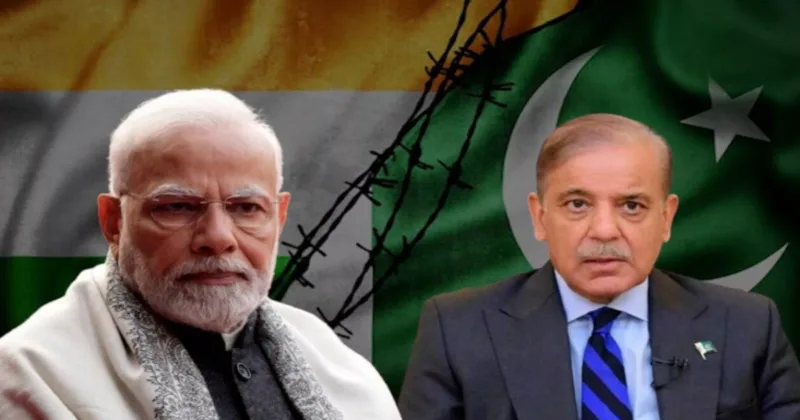
India-Pakistan Relations in 2025: Terrorism, military strategy and diplomatic realignment

India-Pakistan relations in 2025 remain deeply strained, shaped by persistent cross-border terrorism, evolving military postures, and shifting diplomatic alignments. As India continues to confront state-sponsored terror emanating from Pakistani soil, its strategic response has grown more assertive—both militarily and diplomatically

Vedika ZnwarVedika Znwar
May 23, 2025, 08:00 pm IST
in Bharat, World
Follow on Google News
FacebookTwitterWhatsAppTelegramEmail

In May 2025, India-Pakistan relations reached a critical juncture, marked by a surge in cross-border violence, temporary suspension of firing and renewed scrutiny of Pakistan’s military leadership. Indian External Affairs Minister S Jaishankar’s candid remarks underscored India’s evolving security doctrine and its firm stance against state-sponsored terrorism.

The Pahalgam Attack: A Catalyst for Escalation

On April 22, 2025, a brutal terrorist attack in Pahalgam, J&K, claimed the lives of 26 civilians, primarily Hindu tourists. The assailants reportedly verified the victims’ religious identities before executing them, indicating a deliberate attempt to incite communal discord and destabilize the region’s fragile peace. External Affairs Minister S Jaishankar attributed the attack to the “extreme religious outlook” of Pakistan’s Army Chief, Asim Munir, suggesting a direct link between Pakistan’s military leadership and the perpetrators’ motivations.

Jaishankar emphasised that the attack aimed to undermine Kashmir’s tourism industry, a vital component of the local economy. By targeting tourists, the assailants sought to instil fear and disrupt economic stability. The minister’s assertion that such acts are influenced by Pakistan’s military leadership reflects India’s growing frustration with what it perceives as continued support for terrorism by Pakistan’s establishment.

In retaliation, India launched Operation Sindoor, a series of precision strikes targeting terrorist hideouts across the Line of Control. The operation signified a shift in India’s counter-terrorism strategy, focusing on proactive measures to neutralize threats at their source. Prime Minister Narendra Modi’s declaration, “not blood, but sindoor flows in my veins,” underscored the operation’s symbolic significance and India’s resolve to protect its citizens.

Jaishankar clarified that while Operation Sindoor remained active in principle, it did not imply ongoing military engagement. The operation served as a deterrent, signalling India’s commitment to defending its sovereignty and responding decisively to acts of terror.

Following heightened tensions, India and Pakistan agreed to astop firing temporarily on May 10, 2025. Contrary to claims of international mediation, particularly by former US President Donald Trump, Jaishankar affirmed that the cessation of hostilities resulted from direct communication between the two nations’ military leadership. He stated, “We made one thing very clear to everybody who spoke to us, not just the US, but to everybody, saying if the Pakistanis want to stop fighting, they need to tell us. We need to hear it from them.”

Read More: All Maoists killed in Narayanpur encounter identified: Chhattisgarh DGP Arun Dev Gautam

This approach reflects India’s longstanding policy of resolving bilateral issues without third-party intervention, emphasizing sovereign decision-making and regional autonomy. By insisting on direct dialogue, India reinforced its position on managing conflicts through bilateral channels, thereby rejecting external influence in its diplomatic affairs.

Pakistan’s Military Involvement in Terrorism: A Persistent Concern
Jaishankar’s statements highlighted the pervasive role of Pakistan’s military in fostering terrorism. He asserted that the Pakistani army is “up to its neck” in supporting terrorist activities against India, noting that notorious terrorists on the United Nations sanctions list operate openly within Pakistan. These individuals are known to reside in major cities, with their addresses publicly acknowledged, yet they continue to function without restraint.

This assertion underscores India’s concerns regarding Pakistan’s failure to dismantle terrorist networks within its borders. The presence of such individuals in Pakistan not only threatens regional stability but also hampers efforts to establish lasting peace between the two nations.

The Pahalgam attack and subsequent military operations have had profound economic and humanitarian repercussions. Kashmir’s tourism sector, a significant contributor to the local economy, suffered a severe downturn as tourists fled the region, leading to widespread unemployment and financial distress among residents. The attack’s targeting of tourists was a calculated move to disrupt economic stability and instil fear, further exacerbating the region’s challenges.

Additionally, the Indian government’s decision to suspend the Indus Waters Treaty, a longstanding agreement governing water sharing between the two countries, signalled a strategic shift in response to Pakistan’s alleged support for terrorism. Prime Minister Modi declared that Pakistan would no longer receive water from rivers over which India holds rights, emphasizing that such measures were a direct consequence of Pakistan’s actions.

The events of May 2025 mark a significant turning point in India-Pakistan relations. India’s assertive response to the Pahalgam terror attack, through both military action and diplomatic channels, reflects a broader strategy to combat terrorism and uphold national security. By directly attributing responsibility to Pakistan’s military leadership and rejecting external mediation, India has reaffirmed its commitment to sovereign decision-making and regional stability.

The challenges ahead remain substantial, with the need for sustained efforts to dismantle terrorist networks and foster mutual trust. However, India’s decisive actions in the face of adversity demonstrate a clear resolve to protect its citizens and assert its position on the global stage.

 

Topics: External Affairs Minister S JaishankarPahalgam Terrorist attackOperation SindoorPM Narendra Modi
ShareTweetSendShareSend
✮ Subscribe Organiser YouTube Channel. ✮
✮ Join Organiser's WhatsApp channel for Nationalist views beyond the news. ✮
Previous News

Bullets in the Jungle, Tears in the City: The urban naxal response after Maoist encounter

Next News

Cessation of firing and military action negotiated directly between India, Pakistan: EAM Jaishankar

Related News

Twelve Years of Resolve: How Modi Rebuilt India's Security from the Ground Up

Twelve Years of Resolve: How Modi Rebuilt India’s Security from the Ground Up

Rahul, Kharge and Jairam vs. India's Great Nicobar Vision (This is an AI generated image)

Great Nicobar Project: Why Congress is opposing Modi government’s strategic mega plan

Saurav Das, Chief Spokesperson of CJP

Exposing CJP’s Saurav Das: Inside his controversial commentary on Article 370, Umar Khalid & nationalism

As Khalistani networks seek new platforms beyond the West, Azerbaijan has emerged as a key venue for conferences, campaigns and narratives aligned with the Pakistan-Turkey axis against India.

Khalistan’s New Grazing Ground: Azerbaijan emerges as new hub for Turkey-Pakistan backed anti-India networks

Bangladesh’s reported JF-17 push has triggered fresh scrutiny after India’s Ops Sindoor exposed the vulnerabilities of Pakistani-Chinese defence systems and precision strike capabilities

Shadows of Operation Sindoor: Questions loom over Bangladesh’s JF-17 ambitions amid Sino-Pakistani tech vulnerabilities

Fire-fighting officials at the site of the restaurant in Delhi Malviya Nagar

Fire at Delhi restaurant in Malviya Nagar claims 21 lives, 40 rescued; PM Modi expresses grief, announces relief

Load More

Latest News

Decades of illegal infiltration from Bangladesh have driven profound demographic shifts in Assam, fundamentally altering its religious, linguistic, and political landscape

Unnatural demographic change: The termite threat

The Rs 200-crore MAHA Water Mission seeks to boost water security and democratise research funding in India

From Rigveda to Research Labs: How ANRF’s Rs 200 crore water mission is securing India’s future

(Right) Prakhar Shrivastava, Senior Consulting Editor and Anchor at Delhi Doordarshan Kendra at a Narada Jayanti programme in Guwahati (Left) Prakahar Srivastava addressing the gathering

Narada Jayanti by VSK Assam: “Half-truths more dangerous than lies,” says senior journalist Prakhar Shrivastava

Everest Survivor being taken to the hospital on a stretcher

Everest Survivor ICU Interview: BBC under fire for interviewing Sherpa without family’s consent

Phillipines Earthquake: 7.8 magnitude deadly earthquake leaves 15 dead, 200 injured; Rescue operation underway

Shamli Conversion Case: 'I studied Islam on YouTube,' says Ayush Malik as family alleges grooming

Shamli Conversion Case: ‘I studied Islam on YouTube,’ says Ayush Malik, now Mohammad Ali, as family alleges grooming

RSS functionaries on the stage at samapan samaroh of Sangh Shiksha Varg and Karyakarta Vikas Varg–Pratham at Sambalpur.

Awakening of Lokshakti is essential for building a glorious Bharat: Dr Gopal Prasad Mahapatra

Saree worn by India's Rocket Woman Nandini Harinath displayed at US Space Museum

From Mangalyaan to USA: ISRO scientist Nandini Harinath’s iconic ‘Mars Mission Saree’ featured at US Space Museum

Thiruparankundram Karthigai Deepam issue: TVK follows DMK line of no lightening at temple, BJP alleges betrayal

Tamil Nadu: CM Joseph clears move to prosecute former minister and DMK leader Senthil Balaji in cash-for-jobs case

Load More
  • Privacy
  • Terms
  • Cookie Policy
  • Refund and Cancellation
  • Delivery and Shipping

© Bharat Prakashan (Delhi) Limited.
Tech-enabled by Ananthapuri Technologies

  • Home
  • Search Organiser
  • Bharat
    • Assam
    • Bihar
    • Chhattisgarh
    • Jharkhand
    • Maharashtra
    • View All States
  • World
    • Asia
    • Africa
    • North America
    • South America
    • Europe
    • Australia
  • Editorial
  • Operation Sindoor
  • Opinion
  • Analysis
  • Defence
  • Culture
  • Sports
  • Business
  • RSS @ 100
  • Entertainment
  • More ..
    • Sci & Tech
    • Vocal4Local
    • Special Report
    • Education
    • Employment
    • Books
    • Interviews
    • Travel
    • Health
    • Politics
    • Law
    • Economy
    • Obituary
  • Subscribe Magazine
  • Read Ecopy
  • Advertise
  • Circulation
  • Careers
  • About Us
  • Contact Us
  • Policies & Terms
    • Privacy Policy
    • Cookie Policy
    • Refund and Cancellation
    • Terms of Use

© Bharat Prakashan (Delhi) Limited.
Tech-enabled by Ananthapuri Technologies