Like Hindus, we believe praying in praying for all: Yazidis at LokManthan
July 5, 2026
  • Read Ecopy
  • Circulation
  • Advertise
  • Careers
  • About Us
  • Contact Us
Android AppiPhone AppArattai
Organiser
  • ‌
  • Bharat
    • Assam
    • Bihar
    • Chhattisgarh
    • Jharkhand
    • Maharashtra
    • View All States
  • World
    • Asia
    • Europe
    • North America
    • South America
    • Africa
    • Australia
  • Editorial
  • International
  • Opinion
  • RSS @ 100
  • More
    • Op Sindoor
    • Analysis
    • Sports
    • Defence
    • Politics
    • Business
    • Economy
    • Culture
    • Special Report
    • Sci & Tech
    • Entertainment
    • G20
    • Azadi Ka Amrit Mahotsav
    • Vocal4Local
    • Web Stories
    • Education
    • Employment
    • Books
    • Interviews
    • Travel
    • Law
    • Health
    • Obituary
  • Subscribe
    • Subscribe Print Edition
    • Subscribe Ecopy
    • Read Ecopy
  • ‌
  • Bharat
    • Assam
    • Bihar
    • Chhattisgarh
    • Jharkhand
    • Maharashtra
    • View All States
  • World
    • Asia
    • Europe
    • North America
    • South America
    • Africa
    • Australia
  • Editorial
  • International
  • Opinion
  • RSS @ 100
  • More
    • Op Sindoor
    • Analysis
    • Sports
    • Defence
    • Politics
    • Business
    • Economy
    • Culture
    • Special Report
    • Sci & Tech
    • Entertainment
    • G20
    • Azadi Ka Amrit Mahotsav
    • Vocal4Local
    • Web Stories
    • Education
    • Employment
    • Books
    • Interviews
    • Travel
    • Law
    • Health
    • Obituary
  • Subscribe
    • Subscribe Print Edition
    • Subscribe Ecopy
    • Read Ecopy
Organiser
  • Home
  • Bharat
  • World
  • Operation Sindoor
  • Editorial
  • Analysis
  • Opinion
  • Culture
  • Defence
  • International Edition
  • RSS @ 100
  • Magazine
  • Read Ecopy
Home Bharat

Like Hindus, we believe praying in praying for all: Yazidis at LokManthan

In LokManthan 2024, held in Bhagyanagar, Telangana, not only did religious leaders from Bharat participate, but representatives from other countries with cultural and spiritual similarities to Hindu Dharma also attended. Among them was the Yazidi sect from Armenia

Alekh SharmaAlekh Sharma
Dec 3, 2024, 09:30 pm IST
in Bharat, Special Report
Follow on Google News
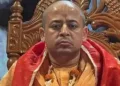
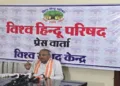
Khdr Hajoyan, the President of the Yazidi National Union of Armenia

Khdr Hajoyan, the President of the Yazidi National Union of Armenia

FacebookTwitterWhatsAppTelegramEmail

A group from the Yazidi community participated in LokManthan to perform their sun ritual. Khdr Hajoyan, the president of the Yazidi National Union of Armenia, explained the ritual to Organiser. He said, “There are numerous similarities between our traditions and Hindu customs. For example, we worship the peacock deity, akin to Murugan and Kartikeya in Hinduism. We believe in reincarnation, like the Hindus. We have a deep connection with nature, praying to the sun and believing it to be the source of life, created by God to sustain us. We adopt a holistic approach to life, like the Bharatiya people, where we pray for the well-being of all, understanding that collective happiness contributes to our own.”

He was accompanied by Aziz and Roman, singers who came to Hyderabad to perform Yazidi national and traditional songs.

Parallels Between Yazidi and Bharatiya Traditions

The Yazidis and Hindus, though separated by geography, share intriguing cultural and religious connections. These similarities suggest ancient interactions and a shared reverence for universal principles of spirituality, nature, and morality.

1. Belief in One Supreme God and Divine Manifestations

Both the Yazidi and Hindu religions recognise a single supreme God who is beyond human comprehension.

In Yazidi belief, God is the Creator and ruler of the universe, who delegates the world’s governance to Malakê Tawus (the Peacock Angel).
In Hinduism, Brahman is the ultimate, formless reality, while divine manifestations such as Vishnu and Shiva play roles in maintaining and transforming the cosmos.
This shared concept of a supreme deity with divine intermediaries highlights a common theological foundation.

2. Reverence for the Peacock

The Peacock Angel (Malakê Tawus) is central to Yazidi spirituality, symbolizing beauty, wisdom, and divine authority. Similarly, in Hinduism, the peacock is sacred and associated with Lord Murugan (Kartikeya), the god of war and victory, as well as Goddess Saraswati, who represents wisdom and learning.

The use of the peacock as a symbol of divinity and spiritual connection underscores a shared cultural reverence.

3. Focus on Nature and Cosmic Harmony

Both Yazidi and Hindu traditions emphasize the harmony between humanity, nature, and the cosmos.

Yazidi teachings stress balance and respect for natural elements, with rituals and prayers aligned with nature’s cycles.

Hinduism venerates natural elements, including rivers, mountains, and celestial bodies, viewing them as sacred and interconnected with spiritual life.

This shared ecological spirituality reflects a common understanding of humanity’s place within the natural world.

4. The Role of Rituals and Festivals

Both cultures are rich in rituals and festivals, often marked by prayers, offerings, music, and dance.

Yazidi festivals, such as Cejna Êzî (Ezi’s Feast) and the New Year celebration Çarşema Sor (Red Wednesday), honor their religious traditions and seasonal cycles.

Hindu festivals like Diwali (Festival of Lights) and Holi (Festival of Colors) celebrate divine victories, renewal, and the cycles of life.

These festivals unite communities and reinforce cultural and religious identity.

5. Sacred Fire and Spiritual Energy

Fire holds a sacred place in both traditions:

Yazidis light candles in their shrines as symbols of divine light and guidance.

Hindus revere fire (Agni) as a purifier and a medium for offerings to the divine during rituals.

This shared veneration of fire signifies a connection to spiritual energy and transformation.

6. Oral Tradition and Preservation of Heritage

Both the Yazidi and Hindu cultures have a rich oral tradition, with songs, hymns, and epics passed down through generations. These oral traditions preserve history, theology, and cultural values.

For Yazidis, religious hymns like Qewls encapsulate their spiritual teachings.
In Hinduism, scriptures such as the Vedas and Upanishads were initially preserved orally before being written down.
7. Sacred Symbols and Pilgrimage Sites

Both faiths cherish pilgrimage and sacred sites

For Yazidis, Lalish is the holiest site, a place of pilgrimage and spiritual renewal.
For Hindus, sacred sites like Varanasi and Mount Kailash are destinations of profound spiritual significance.
Additionally, both traditions use sacred symbols, such as the peacock or the sun, to represent divine connection and cosmic order.

The Yazidi and Hindu religions, though distinct, share profound cultural and spiritual similarities. Their reverence for a supreme being, connection to nature, sacred rituals, and symbolic traditions point to ancient shared values and possibly interconnected histories. These parallels remind us of the universal threads that link humanity across time and geography, fostering mutual respect and understanding.

 

Topics: HindusLokmanthan
ShareTweetSendShareSend
✮ Subscribe Organiser YouTube Channel. ✮
✮ Join Organiser's WhatsApp channel for Nationalist views beyond the news. ✮
Previous News

Woman brutally tortured in Rajasthan’s Sirohi for refusing to convert to Christianity

Next News

Assam: Thousands participate in protests organised by Lok Jagran Manch against atrocities on Hindus in Bangladesh 

Related News

AI generated video depicts Jesus as the father of Hindu deities

Attack on Hindu Faith Using AI: Video claims ‘Jesus is the father of Hindu deities’; Hindu groups protest, FIR filed

Amazon in dock for mocking Hindu Gods

Amazon File: From Ganesha to Aryabhatta – Has Amazon India become a platform for Anti-Hindu narratives?

Bangladesh Hindus protest against Bhagwan Ram photo desecration; Chant Jai Sri Ram against radical islamist atrocities

RSS Sarsanghchalak Dr Mohan Bhagwat addressing the gathering in Keralam on the occasion of lecture series on 100 years of RSS

Journey of RSS in 100 Years | Hindu means cultural heritage of Bharat; none is outsider to Sangh: Dr Bhagwat in Keralam

RSS functionaries on the stage on the occasion of samapan samaroh of Rashtriya Swayamsevak Sangh’s Karyakarta Vikas Varg–Pratham of Purvi Uttar Pradesh Kshetra on June 10

RSS has awakened self-realisation in Hindu society: Ramdatt Chakradhar

New York anti-Hindu Bill fails to advance: How the bill fueled bias & espoused caste discrimination

Load More

Latest News

RSS Sarkaryavah Dattatreya Hosabale

“Unfortunate and painful, true Dharmikta must be restored”: Dattatreya Hosabale

Eleven Years of Digital Innovation Transforming everyday life across India

A Decade of Digital India: Revolutionising payment & healthcare ecosystem; Making everyday life easier for Indians

EPF gets its biggest overhaul in 74 years: What the new rules mean for salaried employees

PFI weapon trainer Ayoob - RSS leader Sreenivasan (Left to Right)

Keralam: PFI weapon trainer Ayoob surrenders before Kochi NIA Court in RSS leader Sreenivasan murder case

Meenakshi Amman Mandir

Top 10 Tallest Gopurams in India: Exploring the magnificent Mandir towers of Dravidian architecture

Andhra Pradesh: NHRC orders probe into Kurnool Diocese-linked St Anthony’s orphanage over FCRA violations

RSS Sarsanghchalak Dr Mohan Bhagwat

“India will show the way and humanity must follow the path”: RSS Sarsanghchalak Mohan Bhagwat

Hindu-Americans raise concern about spiking Hinduphobia on 250th US Independence Day; Highlight centuries of relations

India's MANAS platform enables anonymous drug reporting and access to counselling and rehabilitation

MANAS: How India’s digital anti-drug platform is empowering citizens against substance abuse and trafficking

British chemical warfare experiments involving Indian Army soldiers remain a debated part of colonial history

Beyond the Battlefield: How British laboratories conducted chemical experiments on Indian Army troops in colonial India

Load More
  • Privacy
  • Terms
  • Cookie Policy
  • Refund and Cancellation
  • Delivery and Shipping

© Bharat Prakashan (Delhi) Limited.
Tech-enabled by Ananthapuri Technologies

  • Home
  • Search Organiser
  • Bharat
    • Assam
    • Bihar
    • Chhattisgarh
    • Jharkhand
    • Maharashtra
    • View All States
  • World
    • Asia
    • Africa
    • North America
    • South America
    • Europe
    • Australia
  • Editorial
  • Operation Sindoor
  • Opinion
  • Analysis
  • Defence
  • Culture
  • Sports
  • Business
  • RSS @ 100
  • Entertainment
  • More ..
    • Sci & Tech
    • Vocal4Local
    • Special Report
    • Education
    • Employment
    • Books
    • Interviews
    • Travel
    • Health
    • Politics
    • Law
    • Economy
    • Obituary
  • Subscribe Magazine
  • Read Ecopy
  • Advertise
  • Circulation
  • Careers
  • About Us
  • Contact Us
  • Policies & Terms
    • Privacy Policy
    • Cookie Policy
    • Refund and Cancellation
    • Terms of Use

© Bharat Prakashan (Delhi) Limited.
Tech-enabled by Ananthapuri Technologies