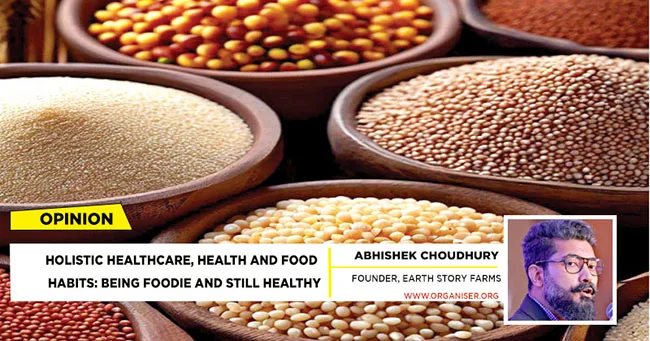
In today’s fast-paced world of convenience and industrial agriculture, our diets have moved far from what nature intended. We have easy access to any food, in any season, regardless of its natural growth cycle. However, returning to the basics—consuming seasonal produce, native ingredients, and embracing traditional wisdom—offers countless benefits for health, sustainability, and the environment. This shift towards a more conscious way of eating plays a pivotal role in reviving India’s indigenous food heritage. Homegrown initiatives like Earth Story Farms are at the forefront of this movement, focusing on sustainable agricultural practices while bringing indigenous ingredients back into the mainstream conversation.
Significance of Seasonal Produce
One of the key points of the Honourable Governor’s inaugural speech was the importance of seasonal eating and that resonated with me a lot. Eating seasonally means consuming fruits and vegetables that are naturally harvested during their peak growing periods. This practice, once second nature to our ancestors, ensures the consumption of food at its most nutrient-dense state. When crops are grown out of season or in artificial environments, they may lack the flavour, vitamins, and minerals that naturally ripened, in-season produce has to offer.
Nutritional Benefits: Seasonal produce is fresher and contains more nutrients than food that has been transported over long distances. For example, a winter-grown tomato is often pale, less flavourful, and lacks the rich antioxidants present in summer-harvested varieties. Seasonal eating provides a natural rotation of nutrients that our bodies need during different times of the year. For instance, winter crops like spinach and oranges are rich in Vitamin C, helping to boost the immune system when we need it most.
Taste and Flavour: Seasonal produce is fresher and more flavourful. This is because the crops have been harvested when they are fully ripe, capturing their peak taste. Eating seasonally connects us to the rhythms of nature, and you can truly taste the difference.
Sustainability and the Environment: By eating locally grown, in-season produce, you reduce the carbon footprint associated with transporting out-of-season fruits and vegetables across the world. Local farming practices that emphasise seasonal crops also tend to use fewer chemical inputs and water, contributing to more sustainable agriculture. Consuming produce that’s grown in alignment with nature’s seasons conserves natural resources and minimises harmful environmental impacts.
At Earth Story Farms, we impose great importance on the seasonality of every product and engage with customers to create awareness about it. For example, one of our key products, the Bengal Nolen Gur, is an extremely seasonal produce that gets made only in winter and depends on the intensity of winter for its flavour and fragrance. We get a lot of demand for Nolen Gur beyond the winter months, but we try to explain our consumers about its seasonality. The Nolen Gur, being a winter jaggery, gives warmth to your body. Similarly, our palm jaggery, which is made in summer, helps to cool your body. And that’s how all seasonal produce provides benefits to your body and fulfils its nutritional requirements based on the time of the year.
Going Back to Roots: Embracing Traditional Wisdom
Traditional knowledge about food has been passed down through generations. In India, where every region has unique cuisine and food culture, this wisdom reflects centuries of understanding the land, the seasons, and the ingredients native to those regions.
Ancient Food Practices for Modern Wellness: Indian traditions such as Ayurveda emphasise consuming food that suits your body’s constitution and the season. These practices advocate the use of whole grains, pulses, seeds, fruits, and vegetables that grow naturally in specific climates, aligning with the body’s need for balance. Ayurvedic wisdom has always promoted eating locally and seasonally to maintain health.
A Source of Indigenous Knowledge: The indigenous knowledge systems of India emphasise the use of medicinal herbs, spices, and wild plants for health and wellness. Many traditional ingredients like turmeric, fenugreek, and amla (Indian gooseberry) offer healing properties, some of which modern science is now corroborating. This ancient wisdom can guide us towards a more balanced, holistic approach to eating.
Strengthening Cultural Roots: Consuming native and traditional foods strengthens our connection to our cultural heritage. Indigenous grains like bajra, jowar, and ragi, and pulses such as urad dal, have sustained Indian civilisations for millennia. Returning to these grains not only honours our roots but also encourages the revival of culinary traditions.

The Hidden Treasures of India’s Soil
India is home to an abundance of native crops that are both nutritionally superior and more resilient to local climates. Unfortunately, the rise of commercial agriculture and the focus on cash crops have marginalised these native varieties.
Millets: Millets like ragi, jowar, and bajra are ancient grains that are making a resurgence in Indian kitchens. These hardy crops are rich in fiber, protein, and essential minerals like calcium and iron. Because they are drought-resistant and require fewer inputs, millets also support sustainable farming practices.
Indigenous Rice Varieties: India boasts a vast array of indigenous rice varieties, each with unique nutritional profiles. Black rice, for instance, is packed with antioxidants, while red rice is a great source of iron and fiber. Reviving the cultivation and consumption of these native rice varieties supports biodiversity and offers superior nutritional value compared to commercial hybrid varieties.
Traditional Superfoods: Beyond grains, India is rich in native superfoods like moringa (drumstick), jackfruit, and various types of lentils and legumes. These ingredients are not only deeply tied to regional diets but also offer exceptional health benefits. Jackfruit, for example, is a low-calorie, high-fiber food that can act as a meat substitute, while moringa leaves are considered a powerhouse of vitamins and minerals.
In an era dominated by fast food and processed ingredients, there is a growing realisation of the importance of returning to our roots. Embracing seasonal produce, traditional wisdom, and indigenous crops is not only beneficial for personal health but also critical for building a sustainable future.