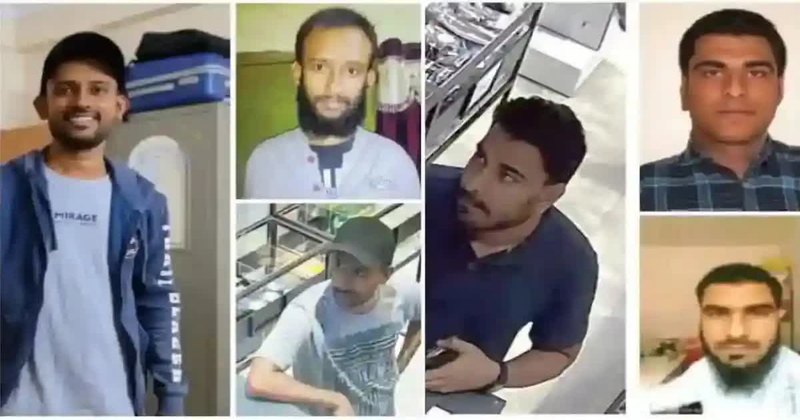
BENGALURU: A chargesheet has been filed by the National Investigation Agency (NIA) against four individuals in connection with the Rameswaram Cafe blast that occurred earlier this year in Bengaluru. The accused—Abdul Matin Taha, Musawir Hussain, Shoaib Mirza, and others—have been charged under terrorism-related offenses for their involvement in a failed plot to target key locations in Karnataka, including the BJP office, as well as the bombing at the Rameswaram Cafe on March 1, 2024.
According to the NIA’s charge sheet, the accused initially planned to carry out a larger attack on January 22, 2024, coinciding with the coronation ceremony in Ayodhya. Their target was the BJP office in Karnataka. However, when this plan failed, they pivoted to targeting the Rameswaram Cafe in Malleswaram, Bengaluru. On March 1, they successfully detonated an Improvised Explosive Device (IED) in the cafe, injuring nine people, including staff and customers. The attack caused panic, with victims suffering from burns and other serious injuries.
The NIA investigation revealed that the accused, particularly Abdul Matin Ahmed Taha and Musawir Hussain Shajib, were inspired by ISIS ideology and had been actively recruiting Muslim youth for the group. Taha, originally from Shimoga, was especially involved in attracting others to the extremist cause, using both physical and digital networks. The other two accused, Maz Muneer Ahmed and Muzamil Sharif, were similarly radicalised and drawn into the terrorist plot.
The NIA uncovered that the group used Indian SIM cards, bank accounts, and forged Indian and Bangladeshi identity documents, some of which were procured using the dark web. Shoaib Ahmed Mirza, another key accused, was also linked to individuals with ties to the terror organizations *Lashkar-e-Taiba (LeT)* and *Al-Hind*. The charge sheet details how Shoaib was introduced to notorious terror suspects, including Mohammed Shaheed Faisal, wanted for his role in the LeT Bangalore conspiracy, and Mehboob Pasha, an accused in the Al-Hind ISIS module case.
Following the blast at Rameswaram Cafe, the accused managed to evade capture for 42 days. They were eventually apprehended by NIA officials in West Bengal, following an intense nationwide search. The NIA also conducted raids and gathered crucial information that led to the arrests of Abdul Matin Taha and Musawir Hussain, both of whom are now labeled as terrorists with ties to ISIS and the Al-Hind group.
The March 1 explosion severely injured several victims, including hotel staff and bystanders. Among the injured, one woman, Swarnamba, sustained 40 percent burns and was critically wounded. Her condition, along with that of eight others, raised alarms about the potential for further attacks.
The filing of this charge sheet marks a significant development in the case as the investigation continues to unravel the full extent of the terror network behind the Rameswaram Cafe blast. The NIA remains vigilant, with plans to further explore the group’s activities, funding sources, and possible international connections. The case has put a spotlight on the growing influence of extremist ideologies and how terror networks operate within India’s borders. Further legal proceedings are expected to commence soon in the special court.