
Key to Total Happiness (Ekatma Manav Darshan)
September 20, 2026
  • Read Ecopy
  • Circulation
  • Advertise
  • Careers
  • About Us
  • Contact Us
Android AppiPhone AppArattai
Organiser
  • ‌
  • Bharat
    • Assam
    • Bihar
    • Chhattisgarh
    • Jharkhand
    • Maharashtra
    • View All States
  • World
    • Asia
    • Europe
    • North America
    • South America
    • Africa
    • Australia
  • Editorial
  • International
  • Opinion
  • RSS @ 100
  • More
    • World Hindu Congress 2026
    • Op Sindoor
    • Analysis
    • Sports
    • Defence
    • Politics
    • Business
    • Economy
    • Culture
    • Special Report
    • Sci & Tech
    • Entertainment
    • G20
    • Azadi Ka Amrit Mahotsav
    • Vocal4Local
    • Web Stories
    • Education
    • Employment
    • Books
    • Interviews
    • Travel
    • Law
    • Health
    • Obituary
  • Subscribe
    • Subscribe Print Edition
    • Subscribe Ecopy
    • Read Ecopy
  • ‌
  • Bharat
    • Assam
    • Bihar
    • Chhattisgarh
    • Jharkhand
    • Maharashtra
    • View All States
  • World
    • Asia
    • Europe
    • North America
    • South America
    • Africa
    • Australia
  • Editorial
  • International
  • Opinion
  • RSS @ 100
  • More
    • World Hindu Congress 2026
    • Op Sindoor
    • Analysis
    • Sports
    • Defence
    • Politics
    • Business
    • Economy
    • Culture
    • Special Report
    • Sci & Tech
    • Entertainment
    • G20
    • Azadi Ka Amrit Mahotsav
    • Vocal4Local
    • Web Stories
    • Education
    • Employment
    • Books
    • Interviews
    • Travel
    • Law
    • Health
    • Obituary
  • Subscribe
    • Subscribe Print Edition
    • Subscribe Ecopy
    • Read Ecopy
Organiser
  • Home
  • Bharat
  • World
  • Operation Sindoor
  • Editorial
  • Analysis
  • Opinion
  • Culture
  • Defence
  • International Edition
  • RSS @ 100
  • Magazine
  • Read Ecopy
Home International Edition Book Review

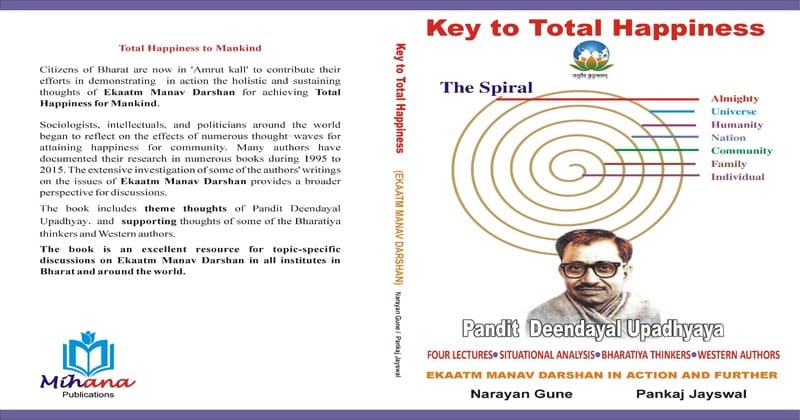
Key to Total Happiness (Ekatma Manav Darshan)

Embarking on a profound exploration of happiness, "Key to Total Happiness" intricately weaves together diverse threads of thought, offering explanations of essential topics, delving into Western philosophers' interpretations of Bharatiya philosophy, and examining the contemporary relevance of "Ekatma Manav Darshan"

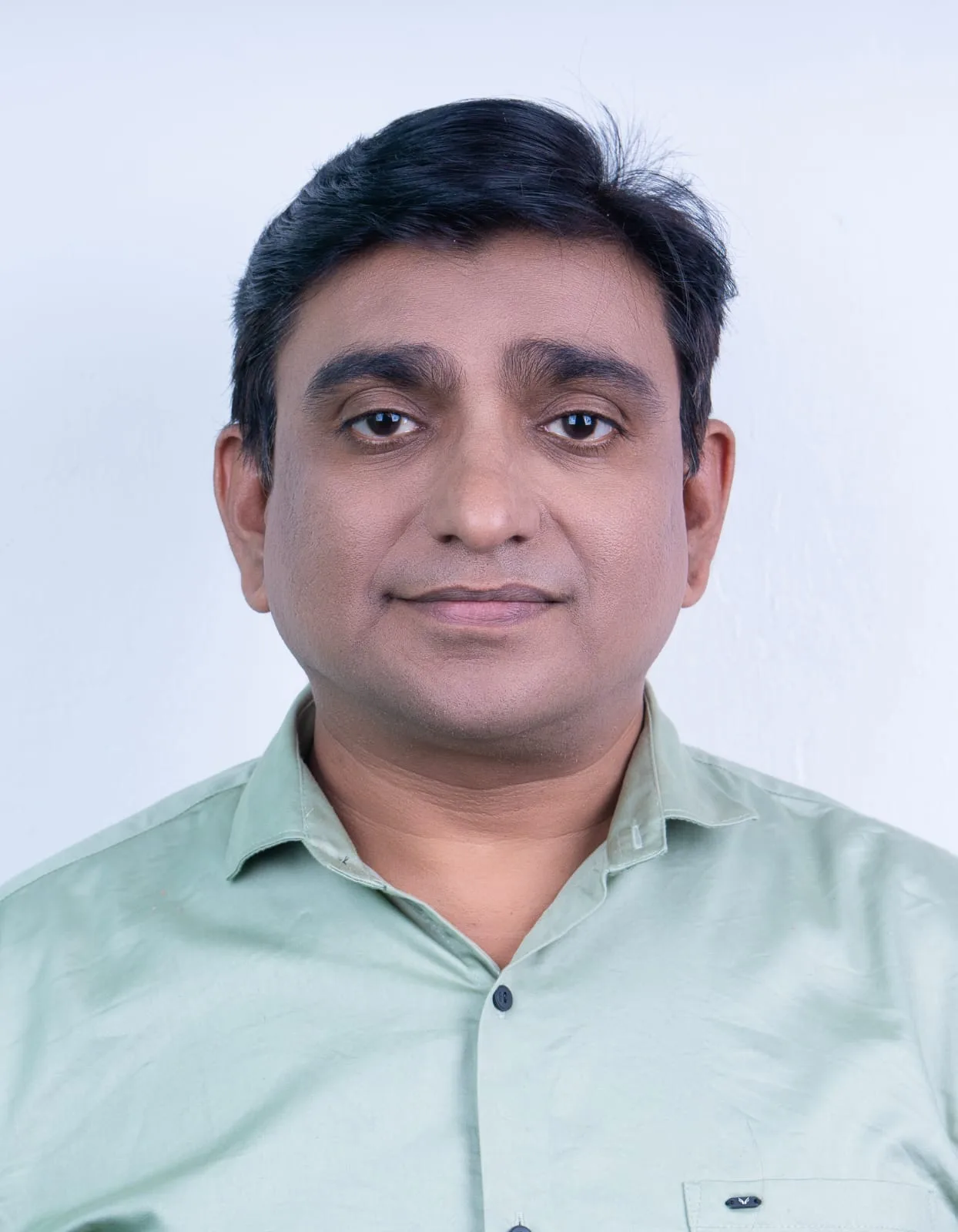
Dr Pankaj Jagannath JayswalDr Pankaj Jagannath Jayswal
Mar 24, 2024, 11:00 am IST
inBook Review
Follow on Google News
Facebook
Twitter
WhatsAppTelegramEmail

The Government of Bharat has declared the 25-year period from 2022 to 2047 as “Amrit Kaal”. During this period, every woman, man, and youngster in the country must demonstrate that Bharat will become a developed country by 2047.

During this auspicious time, Bharat must face the difficult challenge of ‘growing in quest for everlasting happiness’. However, at present, the surprising technical advancement on one side and the entire humanity on the other are in deep trouble. The most tempting endeavour in human history is that everyone on the planet has been striving for happiness since the beginning of time. Why does this work appear so difficult? Do we have a misunderstanding about the relationship between individuals, society, and peace? After generations of struggle, we have achieved physical growth; nonetheless, the thirst for money has not diminished. Technology has advanced, but there is still widespread turmoil. How can we ensure that, on the one hand, sustainable development occurs while also making life easier and more peaceful?

‘Integrated Manav Darshan’ attempts to demonstrate how humanity might live a happy, peaceful, and righteous existence by providing acceptable solutions to all of these concerns.

A result of Western thought process

The crucial question now is what has been accomplished by debunking the myth that Western thought is superior than Bharatiya philosophy as antiquated and archaic? Two world wars in the last century, excessive use of natural resources, exploitation of poor nations, social imbalance, naxalism, problems of mental and physical stress in society, terrorism, excessive use of drugs, suicide, polarisation of political power in the hands of a select few, conspiracy to change religion, increase in divorce rates caused by the devaluation of the family system, is their any solution to these concerns? All of this is attributed to scientific and technological advancements, but is this real development? The society was at peace when Sanatan Dharma was adopted in Bharat. The entire universe was enjoying mutual symbiosis. The environment was being taken care of. At the same time, scientific and technological advances were being achieved. How this was achievable is still being studied in Bharat and across the world. The ‘Ekatm Manav Darshan’ proposed by Pandit Deendayal Upadhyay in 1965 is a good example of such a study.

Ekatma Manav Darshan Vision: An easy answer

Pandit Deendayal Upadhyay studied different systems of thought in depth, with the purpose of preserving all aspects of humanity. Monarchy, Socialism, Communism, and Secularism are some of the political systems experiments that have been conducted throughout the last few centuries. Bharat gained independence in 1947. Previously, the origins of all these political thinking streams in the world, their practical application in many countries throughout the world, and their consequences were investigated. Evaluated the policies adopted by independent Bharat until 1965. As a culmination of all the learnings, he presented his ideas in four talks in Mumbai in April 1965. That idea was later adopted as Integral Humanism (‘Ekatma Manav Darshan’), which helped Bharat not only identify the path of its political journey but also use that commentary to execute policies that would please humanity forever. However, three years after the birth of this vision, Pandit Deen Dayal’s life came to an end, and the dissemination of the concept of ‘Integrated Manav Darshan’ was restricted. Furthermore, the political environment in Bharat was not conducive to considering this line of thought. The next 50 years saw coalition Governments. Naturally, the course of action was determined by a blend of several schools of thought.

The post-World War II environment had an impact on the global scene. Many events occurred around the world, including the partition of the Soviet Union into 15 sovereign states, the fall of the Berlin Wall, and the establishment of a policy based on a blend of socialism and communism. Japan, Germany, France, and other countries tested their unity during the post-World War II reconstruction effort. In comparison, Bharat lagged substantially behind all of these nations. An examination of the ramifications of the trend of thinking that emerged in Western nations in the early twenty-first century. The activity started in 1995. Until then, numerous papers detailing these overview studies had been published. Some of them are mentioned in Pandit Deen Dayal’s darshan; what are the ideas of Western writers, Prof Narayan Gune studied in 2018 in the library of Newcastle Northumbria University in England. All of them are contained in the book “The Key To Total Happiness.”

Book structure and purpose

61 points have been taken from Pandit Deen Dayal’s four lectures. They are divided into the following seven parts.

1.Direction

2.​Individual and Society Symbiotic

3.​State and Nation are interwoven

4.​Dharma and Religion are different

5.​Economic structures for happiness

6.​Welfare State and Welfare Society

7.​Awakening Virat

Includes explanations of each topic, research of Western philosophers on Bharatiya philosophy, and current perspectives on the ideals of “Ekatma Manav Darshan”, as well as proposals for future implementation. Each track includes a summary as well as important words.

This book explores the qualities of individuals, societies, nature, and invisible forces. According to many intellectuals, students, teachers, community leaders, and political leaders are continually brainstorming ideas for how people and society might deliver permanent happiness, satisfaction, and happiness to the human race.
 

Topics: Pandit Deen Dayal UpadhyayBharatiya philosophyWestern philosophy
Share
Tweet
SendShareSend
✮ Subscribe Organiser YouTube Channel. ✮
✮ Join Organiser's WhatsApp channel for Nationalist views beyond the news. ✮
Previous News

Maharashtra: Indian Navy concludes successful Anti-Piracy operation, 35 Somali pirates handed to Mumbai Police

Next News

Division of India happened by “Direct Action” of Muslim League! so why do outside Muslims want Bharatiya citizenship?

Related News

Shri Raghunandan, Prof. Sharanappa V Halase, Shri Arun Yogiraj (Left to Right)

Famous sculptor Arun Yogiraj inaugurates ‘Bharat Darshan’ exhibition in Mysuru

Pandit Deendayal Upadhyaya and the Eternal Vision of Ekatma Manav Darshan

At the First Parliament of World Religions in Chicago in 1893, Swami Vivekananda enlightened the Western world by speaking on Bharatiya philosophy

Swami Vivekananda: Educated the Western world about Hindutva and the significance of young people in expressing Dharma

PM Modi pays homage to Pandit Deen Dayal Upadhyay on birth anniversary, calls his concept of Antyodaya inspirational

Load More

Latest News

BMS launches National Organisation for Digital Employees (NODE) for IT workforce; aims to strengthen employee welfare

GalaxEye’s US patent for OptoSAR marks a major boost for India’s private space sector, advancing its global Earth-observation ambitions

GalaxEye secures US patent for OptoSAR technology, boosting India’s private space and deep-tech ambitions

The arrested Bangladeshi national

Keralam: Series of Bangladeshi arrests raises questions over alleged support ecosystem of fake IDs, jobs and shelter

The Indian Army has launched AASHVAST to detect hidden software and electronic vulnerabilities in military drones

Indian Army strengthens drone security with AASHVAST lab to detect software vulnerabilities & Chinese components

Nileema Mishra’s grassroots work empowered women and helped transform more than 200 villages across Maharashtra

Nileema Mishra: The woman who transformed more than 200 villages across rural Maharashtra

Shree Stambheshwar Mahadev Mandir in Gujarat

Shiva Mandir that disappears into the sea and returns with the tide: The fascinating story of Stambheshwar Mahadev

Vishwa Hindu Parishad (VHP) spokesperson Surendra Jain (file photo0

VHP condemns Hamid Ansari over remarks citing Nehru on Hindu right-wing communalism

Ganesh murti visarjan incidents raise concerns over radical Islamic intolerance and law and order in Tamil Nadu

ABVP registers 3-0 win in Delhi University Students’ Union elections; wins president, secretary, joint secretary posts

Ganapati murti visarjan procession at T. Narasipura on September 18

Karnataka: Ganapati procession follows approved mosque route in T Narasipura amid allegations of police high-handedness

Load More
  • Privacy
  • Terms
  • Cookie Policy
  • Refund and Cancellation
  • Delivery and Shipping

© Bharat Prakashan (Delhi) Limited.
Tech-enabled by Ananthapuri Technologies

  • Home
  • Search Organiser
  • Bharat
    • Assam
    • Bihar
    • Chhattisgarh
    • Jharkhand
    • Maharashtra
    • View All States
  • World
    • Asia
    • Africa
    • North America
    • South America
    • Europe
    • Australia
  • Editorial
  • Operation Sindoor
  • Opinion
  • Analysis
  • Defence
  • Culture
  • Sports
  • Business
  • RSS @ 100
  • Entertainment
  • More ..
    • Sci & Tech
    • Vocal4Local
    • Special Report
    • Education
    • Employment
    • Books
    • Interviews
    • Travel
    • Health
    • Politics
    • Law
    • Economy
    • Obituary
  • Subscribe Magazine
  • Read Ecopy
  • Advertise
  • Circulation
  • Careers
  • About Us
  • Contact Us
  • Policies & Terms
    • Privacy Policy
    • Cookie Policy
    • Refund and Cancellation
    • Terms of Use

© Bharat Prakashan (Delhi) Limited.
Tech-enabled by Ananthapuri Technologies