Study reveals diabetes may be treated using eye implants
June 24, 2026
  • Read Ecopy
  • Circulation
  • Advertise
  • Careers
  • About Us
  • Contact Us
Android AppiPhone AppArattai
Organiser
  • ‌
  • Bharat
    • Assam
    • Bihar
    • Chhattisgarh
    • Jharkhand
    • Maharashtra
    • View All States
  • World
    • Asia
    • Europe
    • North America
    • South America
    • Africa
    • Australia
  • Editorial
  • International
  • Opinion
  • RSS @ 100
  • More
    • Op Sindoor
    • Analysis
    • Sports
    • Defence
    • Politics
    • Business
    • Economy
    • Culture
    • Special Report
    • Sci & Tech
    • Entertainment
    • G20
    • Azadi Ka Amrit Mahotsav
    • Vocal4Local
    • Web Stories
    • Education
    • Employment
    • Books
    • Interviews
    • Travel
    • Law
    • Health
    • Obituary
  • Subscribe
    • Subscribe Print Edition
    • Subscribe Ecopy
    • Read Ecopy
  • ‌
  • Bharat
    • Assam
    • Bihar
    • Chhattisgarh
    • Jharkhand
    • Maharashtra
    • View All States
  • World
    • Asia
    • Europe
    • North America
    • South America
    • Africa
    • Australia
  • Editorial
  • International
  • Opinion
  • RSS @ 100
  • More
    • Op Sindoor
    • Analysis
    • Sports
    • Defence
    • Politics
    • Business
    • Economy
    • Culture
    • Special Report
    • Sci & Tech
    • Entertainment
    • G20
    • Azadi Ka Amrit Mahotsav
    • Vocal4Local
    • Web Stories
    • Education
    • Employment
    • Books
    • Interviews
    • Travel
    • Law
    • Health
    • Obituary
  • Subscribe
    • Subscribe Print Edition
    • Subscribe Ecopy
    • Read Ecopy
Organiser
  • Home
  • Bharat
  • World
  • Operation Sindoor
  • Editorial
  • Analysis
  • Opinion
  • Culture
  • Defence
  • International Edition
  • RSS @ 100
  • Magazine
  • Read Ecopy
Home World

Study reveals diabetes may be treated using eye implants

The study allows microorganisms, specifically pancreatic islets or Langerhans islets, to be precisely positioned in the eye without the use of sutures

WEBDESKWEBDESK
Oct 21, 2023, 11:00 pm IST
in World, Health
Follow on Google News
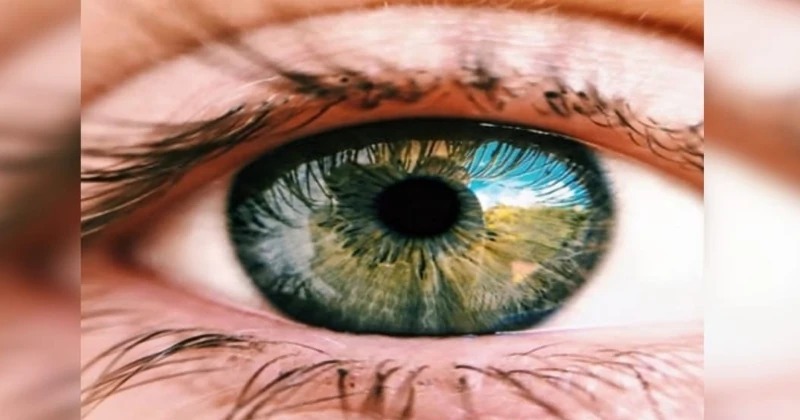
Representative image

Representative image

FacebookTwitterWhatsAppTelegramEmail

Swedish researchers have developed a microscale device for implantation in the eye, potentially opening up new avenues for cell-based treatment of diabetes and other diseases.

A team from KTH Royal Institute of Technology and Karolinska Institutet created the 3D-printed device with the goal of encapsulating insulin-producing pancreatic cells with electronic sensors. The findings were published in the journal Advanced Materials by the researchers.

The collaboration between KTH and Karolinska Institutet allows microorganisms, specifically pancreatic islets or Langerhans islets, to be precisely positioned in the eye without the use of sutures. It opens up the possibility of cell-based therapy, such as treating Type 1 or Type 2 diabetes, utilising the eye as a foundation.

According to Anna Herland, senior lecturer in the Division of Bionanotechnology at SciLifeLab at KTH and the AIMES research centre at KTH and Karolinska Institutet, the eye is excellent for this technology since it lacks immune cells that would respond negatively during the first stage of implantation. Because of its transparency, it allows for visual and microscopic examination of what occurs to the implant over time.

“The eye is our only window into the body, and it’s immune-privileged,” Anna Herland said.

The device is designed as a wedge, about 240 micrometres long, allowing the structure to be mechanically fixed at the angle between the iris and the cornea in the anterior chamber of the eye (ACE). The work demonstrates the first mechanical fixation of a device in the anterior chamber of the eye.

“We designed the medical device to hold living mini-organs in a micro-cage and introduced the use of a flap door technique to avoid the need for additional fixation,” said Wouter van der Wijngaart, professor in the Division of Micro- and Nanosystems at KTH.

In tests on mice, the device maintained its position in the living organism for several months, and the mini-organs quickly integrated with the host animal’s blood vessels and functioned normally, Herland says.

Per-Olof Berggren, professor of experimental endocrinology at Karolinska Institute, contributed to the research with years of experience in transplanting islets of Langerhans to the anterior chamber of the eye in mice.

“The current unit is unique and will among other things form the basis for our continued work to develop an integrated microsystem for studying the function and survival of the islets of Langerhans in the anterior chamber of the eye,” Per-Olof Berggren said.

“This is also of great translational importance, as transplantation of Langerhans islands to the anterior chamber of the eye in humans is subject to clinical trials in patients with diabetes.”

Herland says the technology overcomes one obstacle to the development of cell therapies, including those for diabetes. Namely, there is no need for invasive methods to monitor the graft’s function and to guide care in order to ensure long-term transplant success.

“Ours is a first step towards advanced medical microdevices that can both localise and monitor the function of cell grafts,” she said. She said the design makes it possible to position mini-organs, such as organoids and islets of Langerhans, without limiting the supply of nutrients to the cells. “Our design will enable future integration and use of more advanced device functions such as integrated electronics or drug release.”

(with inputs from ANI)
Topics: diabetesEye implantsCell-based treatment
Share7TweetSendShareSend
✮ Subscribe Organiser YouTube Channel. ✮
✮ Join Organiser's WhatsApp channel for Nationalist views beyond the news. ✮
Previous News

Bombay High Court rejects plea demanding ban on Pakistani artists; says, “Art, music, sports, rise above nationalities”

Next News

Cricket World Cup 2023: “He has come a long way…,” says SA skipper Markram on Klaasen after win over England

Related News

Representative image

Some diabetes medications linked to lower dementia, Parkinson’s disease risk

Representative image

Many people with type 2 diabetes lack life-saving information about their disease

Representative image

World Diabetes Day: AIIMS Delhi to start free insulin distribution services from today

Loneliness linked with elevated risk of heart disease in patients with diabetes: Study

Diabetes patients after pregnancy have lower chance of controlling blood sugar levels: Study

Obesity, diabetes in pregnancy: Consequences in children

Load More

Latest News

BJP national spokesperson Pradeep Bhandari

Karnataka: BJP accuses Kharge family of illegally acquiring government land worth over Rs 100 crore

Elomi Global Worship Centre in Omalloor, Pathanamthitta district ; Pastor Binu Vazhakkuttom (Left to Right)

Keralam: Child abuse allegations at Pentecostal worship centre in Pathanamthitta; locals demand Pastor Binu’s arrest

Modi Govt’s Tourism Revolution: 183 projects, Rs 9,225 crore investment & rise of India’s cultural & spiritual circuits

Padma Awards 2026: Tamil Nadu’s distinguished achievers receive national honours

India’s history is not merely a tale of foreign domination but also a remarkable story of resilience, resistance & civilisational continuity

Indian History: Not just foreign rule, but a timeless story of resistance, self-respect and civilisational resilience

From $10 Billion to $190 Billion: Indian Bioeconomy Touches New Heights in 12 Years

From $10 Billion to $190 Billion: India’s Bioeconomy leads a 12-Year science revolution

Nagpur | Acceptance of Bharatiya civilisational values is steadily increasing worldwide: Shanta Kumari

Representative Image

Passport Seva Divas: India issues 1.39 crore passports in 2025 as ‘Passport Seva Network’ expands to 545 Centres

Uttarakhand Government replaces Madrasa Board with Unified Minority Education framework

Uttarakhand Ends Madrasa Board Era: New Minority Education Authority to take over from July 1

As growth slows and business failures mount, China’s debt enforcement system is turning financial distress into long-term social exclusion

China’s debt blacklist traps millions of citizens in financial ruin, exposing the human cost of a slowing economy

Load More
  • Privacy
  • Terms
  • Cookie Policy
  • Refund and Cancellation
  • Delivery and Shipping

© Bharat Prakashan (Delhi) Limited.
Tech-enabled by Ananthapuri Technologies

  • Home
  • Search Organiser
  • Bharat
    • Assam
    • Bihar
    • Chhattisgarh
    • Jharkhand
    • Maharashtra
    • View All States
  • World
    • Asia
    • Africa
    • North America
    • South America
    • Europe
    • Australia
  • Editorial
  • Operation Sindoor
  • Opinion
  • Analysis
  • Defence
  • Culture
  • Sports
  • Business
  • RSS @ 100
  • Entertainment
  • More ..
    • Sci & Tech
    • Vocal4Local
    • Special Report
    • Education
    • Employment
    • Books
    • Interviews
    • Travel
    • Health
    • Politics
    • Law
    • Economy
    • Obituary
  • Subscribe Magazine
  • Read Ecopy
  • Advertise
  • Circulation
  • Careers
  • About Us
  • Contact Us
  • Policies & Terms
    • Privacy Policy
    • Cookie Policy
    • Refund and Cancellation
    • Terms of Use

© Bharat Prakashan (Delhi) Limited.
Tech-enabled by Ananthapuri Technologies