Study finds how intestinal bacteria effects growth of fungi
September 13, 2026
  • Read Ecopy
  • Circulation
  • Advertise
  • Careers
  • About Us
  • Contact Us
Android AppiPhone AppArattai
Organiser
  • ‌
  • Bharat
    • Assam
    • Bihar
    • Chhattisgarh
    • Jharkhand
    • Maharashtra
    • View All States
  • World
    • Asia
    • Europe
    • North America
    • South America
    • Africa
    • Australia
  • Editorial
  • International
  • Opinion
  • RSS @ 100
  • More
    • World Hindu Congress 2026
    • Op Sindoor
    • Analysis
    • Sports
    • Defence
    • Politics
    • Business
    • Economy
    • Culture
    • Special Report
    • Sci & Tech
    • Entertainment
    • G20
    • Azadi Ka Amrit Mahotsav
    • Vocal4Local
    • Web Stories
    • Education
    • Employment
    • Books
    • Interviews
    • Travel
    • Law
    • Health
    • Obituary
  • Subscribe
    • Subscribe Print Edition
    • Subscribe Ecopy
    • Read Ecopy
  • ‌
  • Bharat
    • Assam
    • Bihar
    • Chhattisgarh
    • Jharkhand
    • Maharashtra
    • View All States
  • World
    • Asia
    • Europe
    • North America
    • South America
    • Africa
    • Australia
  • Editorial
  • International
  • Opinion
  • RSS @ 100
  • More
    • World Hindu Congress 2026
    • Op Sindoor
    • Analysis
    • Sports
    • Defence
    • Politics
    • Business
    • Economy
    • Culture
    • Special Report
    • Sci & Tech
    • Entertainment
    • G20
    • Azadi Ka Amrit Mahotsav
    • Vocal4Local
    • Web Stories
    • Education
    • Employment
    • Books
    • Interviews
    • Travel
    • Law
    • Health
    • Obituary
  • Subscribe
    • Subscribe Print Edition
    • Subscribe Ecopy
    • Read Ecopy
Organiser
  • Home
  • Bharat
  • World
  • Operation Sindoor
  • Editorial
  • Analysis
  • Opinion
  • Culture
  • Defence
  • International Edition
  • RSS @ 100
  • Magazine
  • Read Ecopy
Home World

Study finds how intestinal bacteria effects growth of fungi

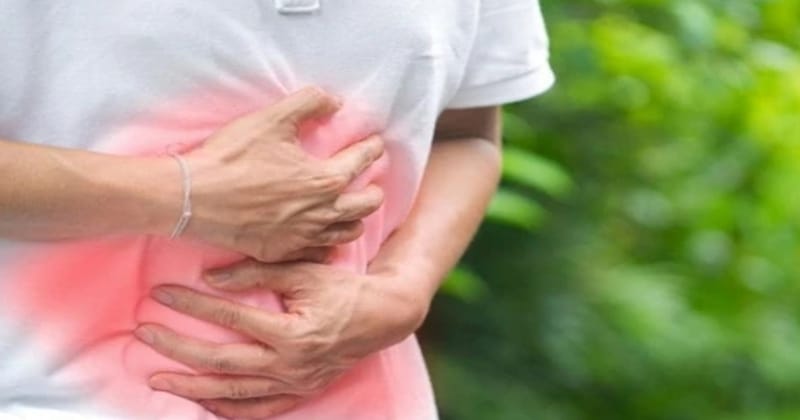
The human gut microbiome is a very complex ecosystem in which numerous bacteria interact with one another. Individual species can spread and cause illness if there is an imbalance caused by drugs or other environmental factors

WEBDESKWEBDESK
May 20, 2023, 11:00 pm IST
inWorld, Health
Follow on Google News
Facebook
Twitter
WhatsAppTelegramEmail

The bacteria in the gut offer information about the number of potentially harmful Candida fungus present. Surprisingly, lactic acid bacteria are among them, which are renowned for their potential to protect against fungal illnesses.

The Leibniz Institute for Natural Product Research and Infection Biology (Leibniz-HKI) and its Danish and Hungarian researchers have added another jigsaw piece to the puzzle of understanding the human gut microbiome. The human gut microbiome is a very complex ecosystem in which numerous bacteria interact with one another. Individual species can spread and cause illness if there is an imbalance caused by drugs or other environmental factors. Candida fungus, for example, are prevalent in many healthy people’s intestines.

Although they are typically innocuous, they have the potential to cause devastating systemic infections.

Studying these interactions in the intestine is difficult. The several hundred species of bacteria and fungi can only be partially cultivated in the laboratory, and many are not even known. Researchers at the Leibniz-HKI are therefore trying to shed more light on the intestine using metagenome studies.

For the study now published in Nature Communications, the researchers examined stool samples from 75 cancer patients and found that certain bacterial species always appear in greater numbers when the amount of fungi from the Candida genus is also high. “With these data, we developed a computer model that was able to predict the amount of Candida in another group of patients with an accuracy of about 80 percent based on bacterial species and amounts alone,” explained Bastian Seelbinder, lead author of the study. These bacteria included mainly oxygen-tolerant species.

Seelbinder conducts research in Gianni Panagiotou’s Microbiome Dynamics department at Leibniz-HKI, which focuses intensively on the gut microbiome. What surprised the researchers was not only how successful the prediction of the amount of fungi based on the bacterial species present was, but also which bacteria correlated with high amounts of fungi. “We found an increased number of bacterial species that produce lactic acid, including Lactobacillus species,” Seelbinder explains. It’s a finding he had not expected. “I could hardly believe it at first, so I checked several times, always with the same result.”

The reason for his surprise: Several studies have attested to the protective effect of lactic acid bacteria against fungal infections. One of them was published last year by Panagiotou’s group, also in the journal Nature Communications. “The result shows once again how complex the human gut microbiome is and how difficult it is to decipher the interactions of different microorganisms,” Panagiotou said.

The researchers’ hunch: Lactic acid bacteria, particularly of the genus Lactobacillus, favor Candida proliferation but at the same time make the fungus less virulent. This could be due to the fact that Candida species can switch their metabolism to be able to use the lactate produced by lactic acid bacteria. This gives them a competitive advantage over other fungi such as Saccharomyces cerevisiae, as the researchers discovered in additional experiments. However, the metabolic switch also apparently causes Candida to remain in its usually harmless spherical yeast form instead of forming fungal hyphae that could invade the intestinal mucosa.

“There is also a suggestion that certain groups of Lactobacillus species might have different effects,” Seelbinder said. To investigate this, the next step will be to perform more detailed genomic analyses of the bacteria.

“For the current study, we examined stool samples from cancer patients who are particularly at risk for fungal infections,” Panagiotou explains. For further studies, samples from healthy subjects could be included to develop long-term strategies for at-risk patients based on their microbiome.

(with inputs from ANI)



Topics: Human gut microbiotaGastrointestinal disordersMetagenomicsIntestinal bacteriaFungal infections
Share
Tweet
SendShareSend
✮ Subscribe Organiser YouTube Channel. ✮
✮ Join Organiser's WhatsApp channel for Nationalist views beyond the news. ✮
Previous News

Pakistan: Prominent Hindu leader quits Imran Khan’s PTI

Next News

Instagram may unveil Twitter-like text-based app in June, first look leaked

Related News

No Content Available
Load More

Latest News

Ministry of Defence's ten-year defence diplomacy framework “RAKSHA”, at Kartavya Bhawan in New Delhi. (Source: AI generated Image)

RAKSHA: Ten years of Defence diplomacy turned a decade boosting export and global cooperation

(Left) Naga leader Dr. S. C. Jamir: (Right) RSS Sarsanghchalak Dr Mohan Bhagwat

Bridging Perspectives: Dr SC Jamir meets RSS’ Dr Bhagwat, highlights mutual respect, secularism, and Naga aspirations

Tiger Bright coffee from Koraput’s tribal farmers featured in BRICS Summit media kits in New Delhi

From Eastern Ghats to BRICS: Koraput Coffee puts Odisha’s tribal enterprise on global map

The RSS has spent a century building influence through organisation, social networks and ideological formation beyond the electoral arena

RSS at 100: How the Sangh built a century-long network of influence beyond Indian politics

India on a Platter: BRICS Dinner Menu Celebrates Regional Culinary Heritage

BRICS Dinner Menu: From Khandvi, mushroom kebabs to pulao global leaders get a taste of Bharat’s culinary heritage

Exterior of the Lokayukta Building

Karnataka Lokayukta records 1,248 cases in four years, 887 linked to bribery

RSS Akhil Bharatiya Karyakarini Sadasya Dr Manmohan Vaidya at a Pramukh Jan Samvad Sangosthi organised by Kashi Mahanagar on the occasion of the RSS Centenary Year,

Entire society must unite with a sense of oneness; This Is the spirit of Sangh Work: Dr Manmohan Vaidya

‘Samuel Could Never Do This’: Mother Rejects Blasphemy Allegations Against Son in Lahore

Pakistan Blasphemy Case: Mother of Christian man Samuel Arif claims false implication, seeks justice

Prime Minister Narendra Modi, along with Chinese President Xi Jinping, Russian President Vladimir Putin and other world leaders, poses for a picture at a joint tree plantation initiative during the BRICS Summit

BRICS Summit 2026: India as the voice of Global South, shared responsibilities & scripting inclusive world order

Chinese President Xi Jinping and Prime Minister Narendra Modi

BRICS Summit 2026: PM Modi hold talks with President Xi; Stresses border peace & tranquility as key to India-China ties

Load More
  • Privacy
  • Terms
  • Cookie Policy
  • Refund and Cancellation
  • Delivery and Shipping

© Bharat Prakashan (Delhi) Limited.
Tech-enabled by Ananthapuri Technologies

  • Home
  • Search Organiser
  • Bharat
    • Assam
    • Bihar
    • Chhattisgarh
    • Jharkhand
    • Maharashtra
    • View All States
  • World
    • Asia
    • Africa
    • North America
    • South America
    • Europe
    • Australia
  • Editorial
  • Operation Sindoor
  • Opinion
  • Analysis
  • Defence
  • Culture
  • Sports
  • Business
  • RSS @ 100
  • Entertainment
  • More ..
    • Sci & Tech
    • Vocal4Local
    • Special Report
    • Education
    • Employment
    • Books
    • Interviews
    • Travel
    • Health
    • Politics
    • Law
    • Economy
    • Obituary
  • Subscribe Magazine
  • Read Ecopy
  • Advertise
  • Circulation
  • Careers
  • About Us
  • Contact Us
  • Policies & Terms
    • Privacy Policy
    • Cookie Policy
    • Refund and Cancellation
    • Terms of Use

© Bharat Prakashan (Delhi) Limited.
Tech-enabled by Ananthapuri Technologies