A new protocol to address security and privacy issues in electric vehicles
August 19, 2026
  • Read Ecopy
  • Circulation
  • Advertise
  • Careers
  • About Us
  • Contact Us
Android AppiPhone AppArattai
Organiser
  • ‌
  • Bharat
    • Assam
    • Bihar
    • Chhattisgarh
    • Jharkhand
    • Maharashtra
    • View All States
  • World
    • Asia
    • Europe
    • North America
    • South America
    • Africa
    • Australia
  • Editorial
  • International
  • Opinion
  • RSS @ 100
  • More
    • Op Sindoor
    • Analysis
    • Sports
    • Defence
    • Politics
    • Business
    • Economy
    • Culture
    • Special Report
    • Sci & Tech
    • Entertainment
    • G20
    • Azadi Ka Amrit Mahotsav
    • Vocal4Local
    • Web Stories
    • Education
    • Employment
    • Books
    • Interviews
    • Travel
    • Law
    • Health
    • Obituary
  • Subscribe
    • Subscribe Print Edition
    • Subscribe Ecopy
    • Read Ecopy
  • ‌
  • Bharat
    • Assam
    • Bihar
    • Chhattisgarh
    • Jharkhand
    • Maharashtra
    • View All States
  • World
    • Asia
    • Europe
    • North America
    • South America
    • Africa
    • Australia
  • Editorial
  • International
  • Opinion
  • RSS @ 100
  • More
    • Op Sindoor
    • Analysis
    • Sports
    • Defence
    • Politics
    • Business
    • Economy
    • Culture
    • Special Report
    • Sci & Tech
    • Entertainment
    • G20
    • Azadi Ka Amrit Mahotsav
    • Vocal4Local
    • Web Stories
    • Education
    • Employment
    • Books
    • Interviews
    • Travel
    • Law
    • Health
    • Obituary
  • Subscribe
    • Subscribe Print Edition
    • Subscribe Ecopy
    • Read Ecopy
Organiser
  • Home
  • Bharat
  • World
  • Operation Sindoor
  • Editorial
  • Analysis
  • Opinion
  • Culture
  • Defence
  • International Edition
  • RSS @ 100
  • Magazine
  • Read Ecopy
Home Bharat

A new protocol to address security and privacy issues in electric vehicles

WEBDESKWEBDESK
Oct 28, 2021, 10:19 am IST
inBharat, Sci & Tech
Follow on Google News
Facebook
Twitter
WhatsAppTelegramEmail
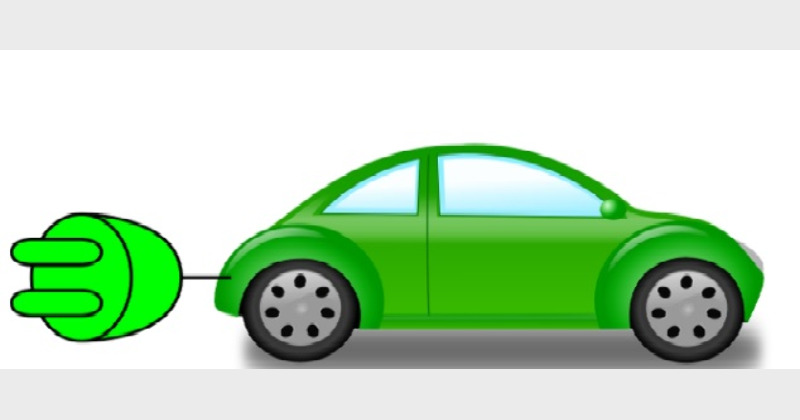
Researchers developed a secure and effective authentication protocols for multiple dynamic charging network models used by electric vehicles.


New Delhi: Electric Vehicles are expected to be the future of transportation due to their low carbon footprint and low energy use. They provide clean mobility and reduce the environmental impact of conventional transportation. The International Energy Agency (IEA) predicts that by 2030, the worldwide fleet of electric vehicles will reach 145 million. As more people choose electric vehicles, the demand for charging infrastructure would also grow.

However, several challenges remain to be addressed. Different types of messaging and charging infrastructure will be established in public places, and they could be prone to security and privacy concerns. Researchers at the National Institute of Technology Andhra Pradesh, working with an international team, have developed a protocol to deal with them. They worked with colleagues from IIIT Hyderabad, IIIT Naya Raipur, Kyungpook National University, South Korea, and the University of Wollongong.

The researchers studied static, quasi-static, and dynamic charging systems. Static charging, which allows consumers to park at their homes or offices, needs the car to be immobile. It requires a connecting wire and a plug-in charger. They are unsafe in wet conditions. Quasi charging is used to charge vehicles that stop briefly, including at traffic lights or bus stops.

Dynamic charging, on the other hand, would allow for on-the-go charging. It can be done by burying Charging Pads (CPs) beneath the road. Electric Vehicles can get charged by driving over them. It will eliminate the need for large-capacity batteries and lower battery costs. It would also save time for drivers who no longer will need to stop at charging facilities.

Dynamic charging would be a boon to the transportation sector. It is, however, still a work in progress since it requires precise coordination between electric vehicles, highway infrastructure, and charging stations. As a result of the wide range of novel technologies employed for communication, the messages sent among communicating principals and charging infrastructure implemented in places like homes, offices, and public stations could face several security issues.

Authentication is the most critical step in safeguarding any data from attackers. The researchers, therefore, chose to develop secure and effective authentication protocols for multiple dynamic charging network models used by electric vehicles.

The study was led by Dr. Alavalapati Goutham Reddy, Assistant Professor, Department of Computer Science and Engineering, NIT Andhra Pradesh. The Research Paper was co-authored by Mr. Raveendra Babu, Research Scholar, NIT Andhra Pradesh, and Prof. Ashok Kumar Das of IIIT Hyderabad, Dr. Ruhul Amin of IIIT Naya Raipur, Prof. Young-Ho Park of Kyungpook National University South Korea, and Prof. Willy Susilo of the University of Wollongong. They have published a report of their work in the journal IEEE Transaction on Vehicular Technology.

The protocol was tested out, and messages exchanged between electric vehicles and dynamic charging infrastructure were secure, preventing attackers from tracking the vehicle and gaining any benefits.

The scientists noted that the protocol was immune to man-in-the-middle attacks, impersonation attacks, replay attacks, and insider assaults while maintaining user anonymity and untraced ability. It was also more efficient than its counterparts in terms of computing and communication costs, they said.

Courtesy: India Science Wire

Share
Tweet
SendShareSend
✮ Subscribe Organiser YouTube Channel. ✮
✮ Join Organiser's WhatsApp channel for Nationalist views beyond the news. ✮
Previous News

PM emphasises inclusive Indo-Pacific and calls for enhanced global cyber security

Next News

Study may help find a new way to aid bone regeneration

Related News

Imran Khan to Leave Adiala Jail? SC Orders Former PM’s Transfer to Shifa Hospital

Pakistan: Imran Khan to leave Adiala Jail? SC orders former PM’s transfer to Shifa Hospital

Former minister and AAP leader Satyendar Jain, in Delhi Jal Board STP tender case

Delhi Jal Board STP tender scam: ACB arrests former AAP minister Satyendra Jain along with 6 others

MQ-9B Sea Guardians to Boost Indian Navy’s Maritime Surveillance Across Indian Ocean

Atmanirbhar Defence Push: Indian Navy gets 2 MQ-9B Sea Guardians as Defence Ministry signs Rs 1,943-crore deal

Non bailable warrants against absconding LeT terrorist Mohammad Yakoob issued by NIA court in Jammu

J&K: Non-bailable warrant issued against absconding LeT terrorist Mohammad Yakoob issued by NIA court in Jammu

Freedom with responsibility: From civilisational ethos to constitutional spirit

SMILE Scheme: Centre’s big push for ‘BhikshaVrittiMukt Bharat’ as 12,710 persons rehabilitated

Load More

Latest News

Imran Khan to Leave Adiala Jail? SC Orders Former PM’s Transfer to Shifa Hospital

Pakistan: Imran Khan to leave Adiala Jail? SC orders former PM’s transfer to Shifa Hospital

Former minister and AAP leader Satyendar Jain, in Delhi Jal Board STP tender case

Delhi Jal Board STP tender scam: ACB arrests former AAP minister Satyendra Jain along with 6 others

MQ-9B Sea Guardians to Boost Indian Navy’s Maritime Surveillance Across Indian Ocean

Atmanirbhar Defence Push: Indian Navy gets 2 MQ-9B Sea Guardians as Defence Ministry signs Rs 1,943-crore deal

Non bailable warrants against absconding LeT terrorist Mohammad Yakoob issued by NIA court in Jammu

J&K: Non-bailable warrant issued against absconding LeT terrorist Mohammad Yakoob issued by NIA court in Jammu

Freedom with responsibility: From civilisational ethos to constitutional spirit

SMILE Scheme: Centre’s big push for ‘BhikshaVrittiMukt Bharat’ as 12,710 persons rehabilitated

Economy: Contribute in corrections, celebrate the achievements

NEP Saarthi Corner is turning the complex provisions of NEP 2020 into accessible, practical opportunities for students across India

From Notice Board to Knowledge Hub: How NEP 2020 Saarthi Corners are transforming student awareness

Social Media: Vulgarity is not free speech

Mohammad Zafar

Madrasa Donations to crypto terror funding: How UP ATS unraveled JeM’s multi-state digital Jihad network

Load More
  • Privacy
  • Terms
  • Cookie Policy
  • Refund and Cancellation
  • Delivery and Shipping

© Bharat Prakashan (Delhi) Limited.
Tech-enabled by Ananthapuri Technologies

  • Home
  • Search Organiser
  • Bharat
    • Assam
    • Bihar
    • Chhattisgarh
    • Jharkhand
    • Maharashtra
    • View All States
  • World
    • Asia
    • Africa
    • North America
    • South America
    • Europe
    • Australia
  • Editorial
  • Operation Sindoor
  • Opinion
  • Analysis
  • Defence
  • Culture
  • Sports
  • Business
  • RSS @ 100
  • Entertainment
  • More ..
    • Sci & Tech
    • Vocal4Local
    • Special Report
    • Education
    • Employment
    • Books
    • Interviews
    • Travel
    • Health
    • Politics
    • Law
    • Economy
    • Obituary
  • Subscribe Magazine
  • Read Ecopy
  • Advertise
  • Circulation
  • Careers
  • About Us
  • Contact Us
  • Policies & Terms
    • Privacy Policy
    • Cookie Policy
    • Refund and Cancellation
    • Terms of Use

© Bharat Prakashan (Delhi) Limited.
Tech-enabled by Ananthapuri Technologies