Study finds evidence points to answer why COVID-19 is so hard to treat
August 2, 2026
  • Read Ecopy
  • Circulation
  • Advertise
  • Careers
  • About Us
  • Contact Us
Android AppiPhone AppArattai
Organiser
  • ‌
  • Bharat
    • Assam
    • Bihar
    • Chhattisgarh
    • Jharkhand
    • Maharashtra
    • View All States
  • World
    • Asia
    • Europe
    • North America
    • South America
    • Africa
    • Australia
  • Editorial
  • International
  • Opinion
  • RSS @ 100
  • More
    • Op Sindoor
    • Analysis
    • Sports
    • Defence
    • Politics
    • Business
    • Economy
    • Culture
    • Special Report
    • Sci & Tech
    • Entertainment
    • G20
    • Azadi Ka Amrit Mahotsav
    • Vocal4Local
    • Web Stories
    • Education
    • Employment
    • Books
    • Interviews
    • Travel
    • Law
    • Health
    • Obituary
  • Subscribe
    • Subscribe Print Edition
    • Subscribe Ecopy
    • Read Ecopy
  • ‌
  • Bharat
    • Assam
    • Bihar
    • Chhattisgarh
    • Jharkhand
    • Maharashtra
    • View All States
  • World
    • Asia
    • Europe
    • North America
    • South America
    • Africa
    • Australia
  • Editorial
  • International
  • Opinion
  • RSS @ 100
  • More
    • Op Sindoor
    • Analysis
    • Sports
    • Defence
    • Politics
    • Business
    • Economy
    • Culture
    • Special Report
    • Sci & Tech
    • Entertainment
    • G20
    • Azadi Ka Amrit Mahotsav
    • Vocal4Local
    • Web Stories
    • Education
    • Employment
    • Books
    • Interviews
    • Travel
    • Law
    • Health
    • Obituary
  • Subscribe
    • Subscribe Print Edition
    • Subscribe Ecopy
    • Read Ecopy
Organiser
  • Home
  • Bharat
  • World
  • Operation Sindoor
  • Editorial
  • Analysis
  • Opinion
  • Culture
  • Defence
  • International Edition
  • RSS @ 100
  • Magazine
  • Read Ecopy
Home Bharat

Study finds evidence points to answer why COVID-19 is so hard to treat

Researchers at the Trinity College Dublin showed that a comprehensive review into what we know about COVID-19 and the way it functions suggests the virus has a unique infectious profile, which explains why it can be so hard to treat and why some people experience so-called 'long-COVID', struggling with significant health issues months after infection

Archive ManagerArchive Manager
May 8, 2021, 09:54 am IST
in Bharat
Follow on Google News
FacebookTwitterWhatsAppTelegramEmail
 
z_1  H x W: 0 x
 
ANI | Updated: May 08, 2021 08:23 IST
 
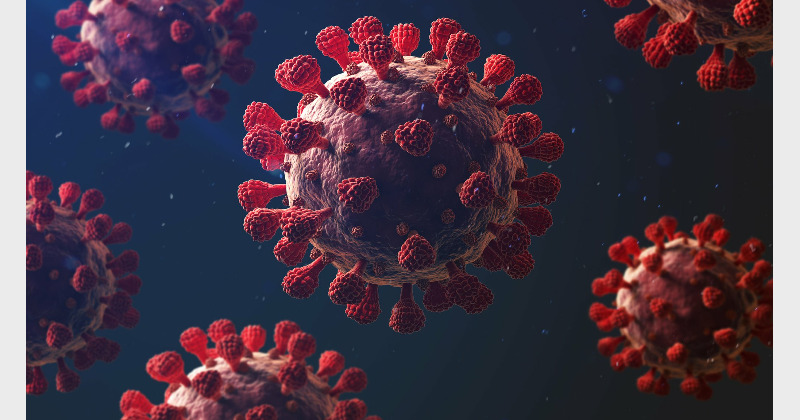
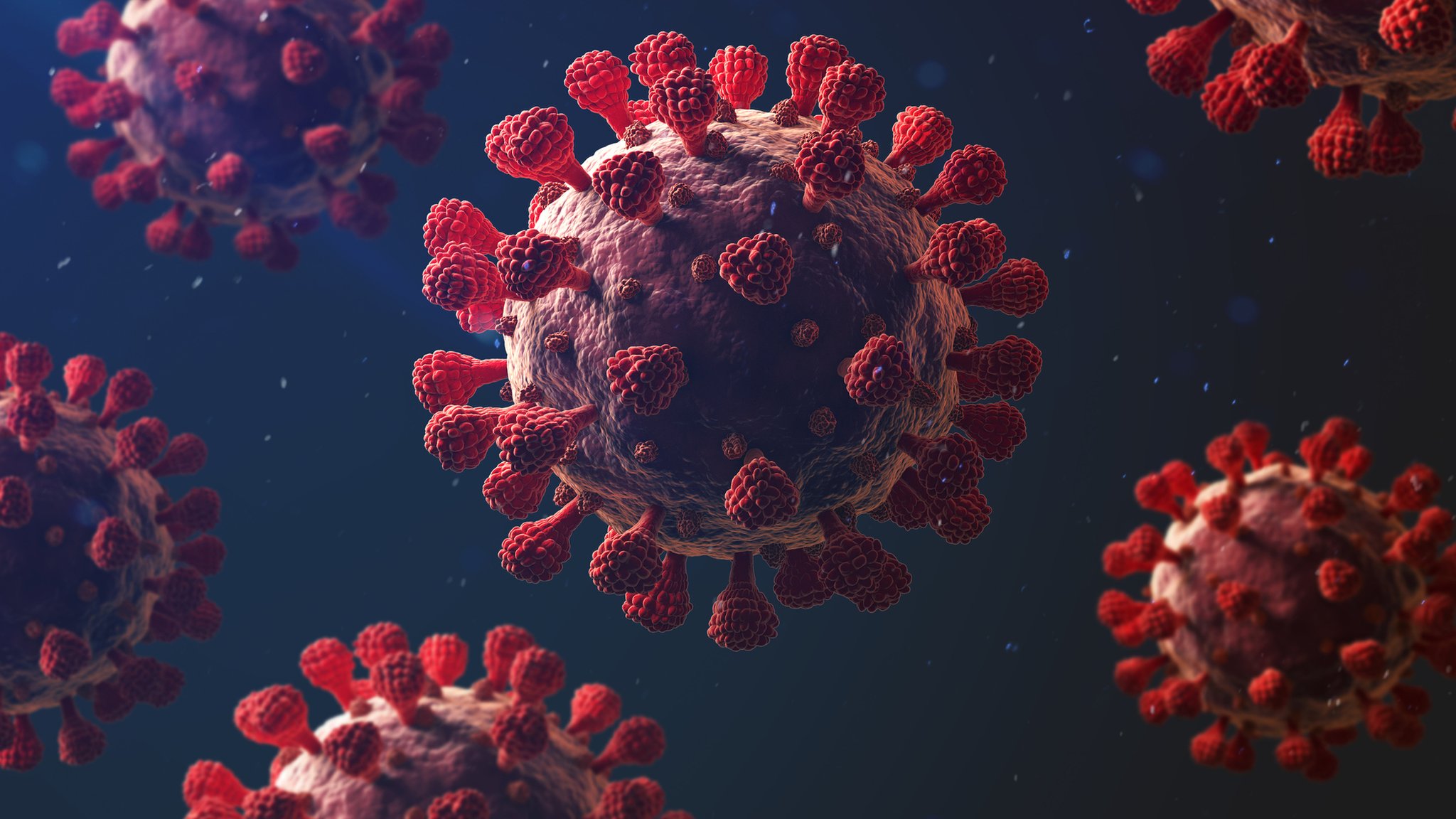
Dublin [Ireland], May 8 (ANI): Researchers at the Trinity College Dublin showed that a comprehensive review into what we know about COVID-19 and the way it functions suggests the virus has a unique infectious profile, which explains why it can be so hard to treat and why some people experience so-called ‘long-COVID’, struggling with significant health issues months after infection.
 
There is growing evidence that the virus infects both the upper and lower respiratory tracts – unlike ‘low pathogenic’ human coronavirus sub-species, which typically settle in the upper respiratory tract and cause cold-like symptoms, or ‘high pathogenic’ viruses such as those that cause SARS and ARDS, which typically settle in the lower respiratory tract. Additionally, more frequent multi-organ impacts, and blood clots, and an unusual immune-inflammatory response not commonly associated with other, similar viruses, mean that COVID-19 has evolved a uniquely challenging set of characteristics.
 
While animal and experimental models imply an overly aggressive immune-inflammation response is a key driver, it seems things work differently in humans: although inflammation is a factor it is a unique dysregulation of the immune response that causes our bodies to mismanage the way they fight the virus.
 
This may explain why some people experience ‘long-COVID’ and suffer severe lung damage after infection. Ignacio Martin-Loeches, Clinical Professor in Trinity College Dublin’s School of Medicine, and Consultant in Intensive Care Medicine at St James’s Hospital is a co-author of the review just published in leading medical journal, The Lancet. He said: “The emergence of severe acute respiratory syndrome coronavirus two (SARS-CoV-2), which causes COVID-19, has resulted in a health crisis not witnessed since the 1918 Spanish flu pandemic. Tragically, millions around the world have died already.
 
“Despite international focus on the virus, we are only just beginning to understand its intricacies. Based on growing evidence we propose that COVID-19 should be perceived as a new entity with a previously unknown infectious profile. It has its own characteristics and distinct pathophysiology and we need to be aware of this when treating people.
 
“That doesn’t mean we should abandon existing best-practice treatments that are based on our knowledge of other human coronaviruses, but an unbiased, gradual assembly of the key COVID-19 puzzle pieces for different patient cohorts – based on sex, age, ethnicity, pre-existing comorbidities – is what is need to modify the existing treatment guidelines, subsequently providing the most adequate care to COVID-19 patients.” (ANI)
 
ShareTweetSendShareSend
✮ Subscribe Organiser YouTube Channel. ✮
✮ Join Organiser's WhatsApp channel for Nationalist views beyond the news. ✮
Previous News

PM Modi speaks with Scott Morrison seeking Australia’s support for intellectual property waiver for COVID-19 vaccines

Next News

Nehru: Chaos and Confusion

Related News

(Left) Pakistan Army officer, Major Hafiz Ihsan Elahi killed (Right) Armed security personnel

Pakistan Army Major, cleric killed in Khyber Pakhtunkhwa; July deadliest month as 112 security personnel killed

ABVP Backs Anti-Paper Leak Law, Calls It Landmark Blow to Examination Mafias

ABVP Central Working Committee Meets in Keralam: Hails anti-paper leak act and pharmacy commission bill

Hindu Samaj have long strengthened social unity, and reviving their spirit can help Hindu society face today’s challenges together

World Hindu Congress 2026: Reviving the spirit of samaj to rebuild Hindu unity and social strength

Representative Image

India to set up 40 Intelligence Bureau units in Bangladesh border; Shield against infiltration & organised crimes

Delhi University approves pay protection for former temporary teachers; VC confirms no plan to remove contract staff

India is accelerating its fight against viral hepatitis through free screening, treatment and vaccination under the NVHCP

How India’s National Viral Hepatitis Control Programme is advancing the goal of eliminating hepatitis by 2030

Load More

Latest News

(Left) Pakistan Army officer, Major Hafiz Ihsan Elahi killed (Right) Armed security personnel

Pakistan Army Major, cleric killed in Khyber Pakhtunkhwa; July deadliest month as 112 security personnel killed

ABVP Backs Anti-Paper Leak Law, Calls It Landmark Blow to Examination Mafias

ABVP Central Working Committee Meets in Keralam: Hails anti-paper leak act and pharmacy commission bill

Hindu Samaj have long strengthened social unity, and reviving their spirit can help Hindu society face today’s challenges together

World Hindu Congress 2026: Reviving the spirit of samaj to rebuild Hindu unity and social strength

Representative Image

India to set up 40 Intelligence Bureau units in Bangladesh border; Shield against infiltration & organised crimes

Delhi University approves pay protection for former temporary teachers; VC confirms no plan to remove contract staff

India is accelerating its fight against viral hepatitis through free screening, treatment and vaccination under the NVHCP

How India’s National Viral Hepatitis Control Programme is advancing the goal of eliminating hepatitis by 2030

PM inaugurates Viveka Memorial, Swami Vivekananda Cultural Centre in Mysuru; says youth are India’s greatest strength

Tamil Nadu: TVK government under fire over liquor bar at freedom fighter Velu Nachiyar’s historic Sivagangai palace

Hyderabad Cyber Crime Deputy Commissioner of Police V Aravind Babu, Telangana CM Revanth Reddy

Telangana: Congress govt transfers DCP after he registered case against PM Modi trolls; BJP slams ‘vendetta politics’

Massive violence escalated by Pakistan on civilians in PoJK who protested against fabricated elections

PoJK Elections: Decoding the poll dynamics in Pakistan-occupied territory; How residents are cheated by Islamabad

Load More
  • Privacy
  • Terms
  • Cookie Policy
  • Refund and Cancellation
  • Delivery and Shipping

© Bharat Prakashan (Delhi) Limited.
Tech-enabled by Ananthapuri Technologies

  • Home
  • Search Organiser
  • Bharat
    • Assam
    • Bihar
    • Chhattisgarh
    • Jharkhand
    • Maharashtra
    • View All States
  • World
    • Asia
    • Africa
    • North America
    • South America
    • Europe
    • Australia
  • Editorial
  • Operation Sindoor
  • Opinion
  • Analysis
  • Defence
  • Culture
  • Sports
  • Business
  • RSS @ 100
  • Entertainment
  • More ..
    • Sci & Tech
    • Vocal4Local
    • Special Report
    • Education
    • Employment
    • Books
    • Interviews
    • Travel
    • Health
    • Politics
    • Law
    • Economy
    • Obituary
  • Subscribe Magazine
  • Read Ecopy
  • Advertise
  • Circulation
  • Careers
  • About Us
  • Contact Us
  • Policies & Terms
    • Privacy Policy
    • Cookie Policy
    • Refund and Cancellation
    • Terms of Use

© Bharat Prakashan (Delhi) Limited.
Tech-enabled by Ananthapuri Technologies