Children and young adults key to transmitting coronavirus: Study
July 26, 2026
  • Read Ecopy
  • Circulation
  • Advertise
  • Careers
  • About Us
  • Contact Us
Android AppiPhone AppArattai
Organiser
  • ‌
  • Bharat
    • Assam
    • Bihar
    • Chhattisgarh
    • Jharkhand
    • Maharashtra
    • View All States
  • World
    • Asia
    • Europe
    • North America
    • South America
    • Africa
    • Australia
  • Editorial
  • International
  • Opinion
  • RSS @ 100
  • More
    • Op Sindoor
    • Analysis
    • Sports
    • Defence
    • Politics
    • Business
    • Economy
    • Culture
    • Special Report
    • Sci & Tech
    • Entertainment
    • G20
    • Azadi Ka Amrit Mahotsav
    • Vocal4Local
    • Web Stories
    • Education
    • Employment
    • Books
    • Interviews
    • Travel
    • Law
    • Health
    • Obituary
  • Subscribe
    • Subscribe Print Edition
    • Subscribe Ecopy
    • Read Ecopy
  • ‌
  • Bharat
    • Assam
    • Bihar
    • Chhattisgarh
    • Jharkhand
    • Maharashtra
    • View All States
  • World
    • Asia
    • Europe
    • North America
    • South America
    • Africa
    • Australia
  • Editorial
  • International
  • Opinion
  • RSS @ 100
  • More
    • Op Sindoor
    • Analysis
    • Sports
    • Defence
    • Politics
    • Business
    • Economy
    • Culture
    • Special Report
    • Sci & Tech
    • Entertainment
    • G20
    • Azadi Ka Amrit Mahotsav
    • Vocal4Local
    • Web Stories
    • Education
    • Employment
    • Books
    • Interviews
    • Travel
    • Law
    • Health
    • Obituary
  • Subscribe
    • Subscribe Print Edition
    • Subscribe Ecopy
    • Read Ecopy
Organiser
  • Home
  • Bharat
  • World
  • Operation Sindoor
  • Editorial
  • Analysis
  • Opinion
  • Culture
  • Defence
  • International Edition
  • RSS @ 100
  • Magazine
  • Read Ecopy
Home Bharat

Children and young adults key to transmitting coronavirus: Study

According to the study, children and young adults were found to be potentially much more key sources of transmission of the virus especially indoors

Archive ManagerArchive Manager
Oct 3, 2020, 10:12 am IST
in Bharat
Follow on Google News
FacebookTwitterWhatsAppTelegramEmail
a_1  H x W: 0 x
 
 
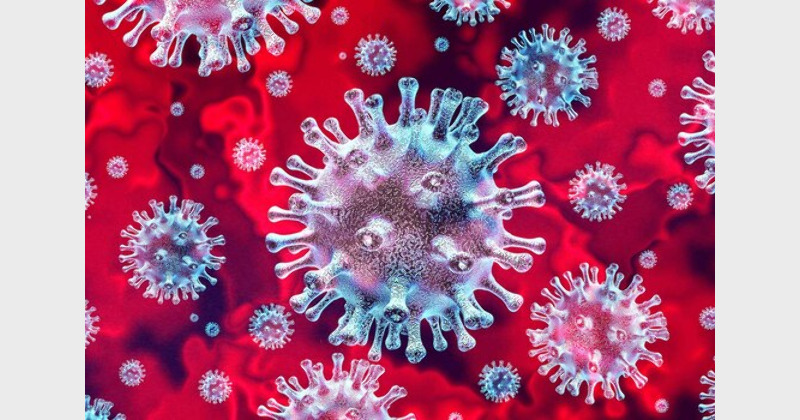
Number of novel coronavirus cases is surging in the country and researchers are trying to understand the potential spreaders and the possible routes of the spread of the virus to arrive at a viable and evidence-based policy. A study based on contact-tracing says that more than five lakh people in India who were exposed to the novel coronavirus SARS-CoV-2, suggests that the virus’ continued spread is determined by only a small percentage of those who become infected.
 
According to the study, children and young adults were found to be potentially much more key sources of transmission of the virus especially indoors. The researchers found that 71% of infected individuals did not infect any of their contacts, while a mere 8% of infected individuals accounted for 60% of new infections.
 
RamananLaxminarayan, Lead researcher, and a senior research scholar at Princeton Environmental Institute (PEI), said that the paper is the first large study to capture the extraordinary extent to which COVID-19 hinges on “superspreading,” in which a small percentage of the infected population passes the virus on to much larger population, while most do not spread to any others. “Our study presents the largest empirical demonstration of superspreading that we are aware of in any infectious disease. Superspreading events are the rule rather than the exception when one is looking at the spread of COVID-19, both in India and likely in all affected places” said Dr Laxminarayan.
 
Researchers from PEI, Johns Hopkins University and the University of California-Berkeley worked with public health officials in the southeast Indian states of Tamil Nadu and Andhra Pradesh to track the infection pathways and mortality rate of 5,75,071 individuals who were exposed to 84,965 confirmed cases of SARS-CoV-2. It is thus far the largest contact-tracing study undertaken anywhere in the world. The study documented the people who came into contact with the primary infected person. The secondary contacts were followed up to find if they developed the infection from the primary contact.
 
The findings provide extensive empirical insights into the spread and deadliness of COVID-19 in countries such as India — which has seen over 90,000 (98,678 deaths as on 1.10.2020) from COVID-19 — that have a high incidence of resource-limited populations, the researchers reported. They found that coronavirus-related deaths in India occurred, on an average, six days after hospitalization compared to an average of 13 days in the United States. Also, deaths from coronavirus in India have been concentrated among people aged 50-64, which is slightly younger than the 60-plus at-risk population in the United States.
 
The researchers also reported, however, the first large-scale evidence that the implementation of a country-wide shutdown in India led to substantial reductions in coronavirus transmission.
 
The researchers found that the chances of a person with coronavirus, regardless of their age, passing it on to a close contact ranged from 2.6% in the community to 9% in the household. The researchers found that children and young adults — who made up one-third of COVID cases — were especially crucial to transmitting the virus in resource-limited populations.
 
“Kids are very efficient transmitters in this setting, which is something that hasn’t been firmly established in previous studies. We found that reported cases and deaths have been more concentrated in younger cohorts than we expected based on observations in higher-income countries”, said Laxminarayan.
 
Children and young adults were much more likely to contract coronavirus from patients their age, the study found. In general, same-age contacts across all age groups greatly increased the chance of infection, with the probability of catching coronavirus from low- to high-risk contacts ranging from 4.7-10.7%, respectively.
 
The study has been published in the journal Science. The work was supported by the National Science Foundation and the Centers for Disease Control and Prevention. (India Science Wire)

 
ShareTweetSendShareSend
✮ Subscribe Organiser YouTube Channel. ✮
✮ Join Organiser's WhatsApp channel for Nationalist views beyond the news. ✮
Previous News

Vishwa Hindu Parishad demands ban on Indian National League Party

Next News

PFI’s Imam Council threatens to destroy idols of Ram Mandir in Ayodhya and transform it into Kaaba!

Related News

World Hindu Congress to be held in Mumbai from December 18-20, 2026

World Hindu Congress 2026: Global platform to focus on Hindu resurgence and collaboration in Mumbai from Dec 18-20

Bharatiya soldiers celebrating victory during Kargil War

Kargil Vijay Diwas: Revisiting the terror flashpoint

Drass, Jul 25 (ANI): A view of rows of memorial headstones adorned with National flags as preparations underway ahead of the 27th Kargil Vijay Diwas on July 26, in Drass on Saturday. (ANI Video Grab)

July 26: Kargil Vijay Diwas — A Saga of the valour and strategic brilliance of Indian soldiers

Union Defence Minister Rajnath Singh at Zojila with soldiers on the eve of Kargil Vijay Diwas

Kargil Vijay Diwas: “Indian Army can meet any challenges posed by adversaries,” says Defence Minister Rajnath Singh

BSF and the District Voluntary Force recovered a concealed Maoist explosives dump during a joint anti-Naxal operation in Malkangiri district

Odisha: BSF-DVF recover explosives in Malkangiri forest, foil Maoist plans

Centre launches DISHA 2.0 with Rs 255 crore outlay to expand technology-driven access to justice across India

Load More

Latest News

World Hindu Congress to be held in Mumbai from December 18-20, 2026

World Hindu Congress 2026: Global platform to focus on Hindu resurgence and collaboration in Mumbai from Dec 18-20

Bharatiya soldiers celebrating victory during Kargil War

Kargil Vijay Diwas: Revisiting the terror flashpoint

Drass, Jul 25 (ANI): A view of rows of memorial headstones adorned with National flags as preparations underway ahead of the 27th Kargil Vijay Diwas on July 26, in Drass on Saturday. (ANI Video Grab)

July 26: Kargil Vijay Diwas — A Saga of the valour and strategic brilliance of Indian soldiers

Union Defence Minister Rajnath Singh at Zojila with soldiers on the eve of Kargil Vijay Diwas

Kargil Vijay Diwas: “Indian Army can meet any challenges posed by adversaries,” says Defence Minister Rajnath Singh

BSF and the District Voluntary Force recovered a concealed Maoist explosives dump during a joint anti-Naxal operation in Malkangiri district

Odisha: BSF-DVF recover explosives in Malkangiri forest, foil Maoist plans

Centre launches DISHA 2.0 with Rs 255 crore outlay to expand technology-driven access to justice across India

Pralhad Joshi to Head Education Ministry After Dharmendra Pradhan Steps Down

Pralhad Joshi gets additional charge of education ministry after Dharmendra Pradhan’s resignation as NEET protest ends

Alleged grooming and 'Love Jihad' cases across several states have renewed concerns over deception, coercion, and the safety of Hindu women

Islamist ‘Love Jihad’ Exposed: 11 shocking cases reveal systematic exploitation of Hindu girls

(Left) Clash between police and protesters in Kolkata (Right) Attempts were made to heckle the reporter in Kolkata during a protest

Student Protest or Political Show? What Kolkata’s July 24 demonstration actually revealed

Iranian missile strikes have exposed the vulnerabilities of Gulf nations despite their advanced air defence capabilities

West Asia Conflict: Vulnerability of Gulf countries against Iranian strikes

Load More
  • Privacy
  • Terms
  • Cookie Policy
  • Refund and Cancellation
  • Delivery and Shipping

© Bharat Prakashan (Delhi) Limited.
Tech-enabled by Ananthapuri Technologies

  • Home
  • Search Organiser
  • Bharat
    • Assam
    • Bihar
    • Chhattisgarh
    • Jharkhand
    • Maharashtra
    • View All States
  • World
    • Asia
    • Africa
    • North America
    • South America
    • Europe
    • Australia
  • Editorial
  • Operation Sindoor
  • Opinion
  • Analysis
  • Defence
  • Culture
  • Sports
  • Business
  • RSS @ 100
  • Entertainment
  • More ..
    • Sci & Tech
    • Vocal4Local
    • Special Report
    • Education
    • Employment
    • Books
    • Interviews
    • Travel
    • Health
    • Politics
    • Law
    • Economy
    • Obituary
  • Subscribe Magazine
  • Read Ecopy
  • Advertise
  • Circulation
  • Careers
  • About Us
  • Contact Us
  • Policies & Terms
    • Privacy Policy
    • Cookie Policy
    • Refund and Cancellation
    • Terms of Use

© Bharat Prakashan (Delhi) Limited.
Tech-enabled by Ananthapuri Technologies