Here is why improved forecasts are not helping prevent floods and droughts
July 30, 2026
  • Read Ecopy
  • Circulation
  • Advertise
  • Careers
  • About Us
  • Contact Us
Android AppiPhone AppArattai
Organiser
  • ‌
  • Bharat
    • Assam
    • Bihar
    • Chhattisgarh
    • Jharkhand
    • Maharashtra
    • View All States
  • World
    • Asia
    • Europe
    • North America
    • South America
    • Africa
    • Australia
  • Editorial
  • International
  • Opinion
  • RSS @ 100
  • More
    • Op Sindoor
    • Analysis
    • Sports
    • Defence
    • Politics
    • Business
    • Economy
    • Culture
    • Special Report
    • Sci & Tech
    • Entertainment
    • G20
    • Azadi Ka Amrit Mahotsav
    • Vocal4Local
    • Web Stories
    • Education
    • Employment
    • Books
    • Interviews
    • Travel
    • Law
    • Health
    • Obituary
  • Subscribe
    • Subscribe Print Edition
    • Subscribe Ecopy
    • Read Ecopy
  • ‌
  • Bharat
    • Assam
    • Bihar
    • Chhattisgarh
    • Jharkhand
    • Maharashtra
    • View All States
  • World
    • Asia
    • Europe
    • North America
    • South America
    • Africa
    • Australia
  • Editorial
  • International
  • Opinion
  • RSS @ 100
  • More
    • Op Sindoor
    • Analysis
    • Sports
    • Defence
    • Politics
    • Business
    • Economy
    • Culture
    • Special Report
    • Sci & Tech
    • Entertainment
    • G20
    • Azadi Ka Amrit Mahotsav
    • Vocal4Local
    • Web Stories
    • Education
    • Employment
    • Books
    • Interviews
    • Travel
    • Law
    • Health
    • Obituary
  • Subscribe
    • Subscribe Print Edition
    • Subscribe Ecopy
    • Read Ecopy
Organiser
  • Home
  • Bharat
  • World
  • Operation Sindoor
  • Editorial
  • Analysis
  • Opinion
  • Culture
  • Defence
  • International Edition
  • RSS @ 100
  • Magazine
  • Read Ecopy
Home Bharat

Here is why improved forecasts are not helping prevent floods and droughts

Here is why improved forecasts are not helping prevent floods and droughts

Archive ManagerArchive Manager
Oct 1, 2018, 07:01 pm IST
in Bharat
Follow on Google News
FacebookTwitterWhatsAppTelegramEmail

Raghu Murtugudde

 
A systematic evaluation of the perception of forecast accuracy among engineers and managers who make decisions and uncertainty on dam operations as well as water resources is needed to bridge the gap from forecasts to lifesaving decisions 
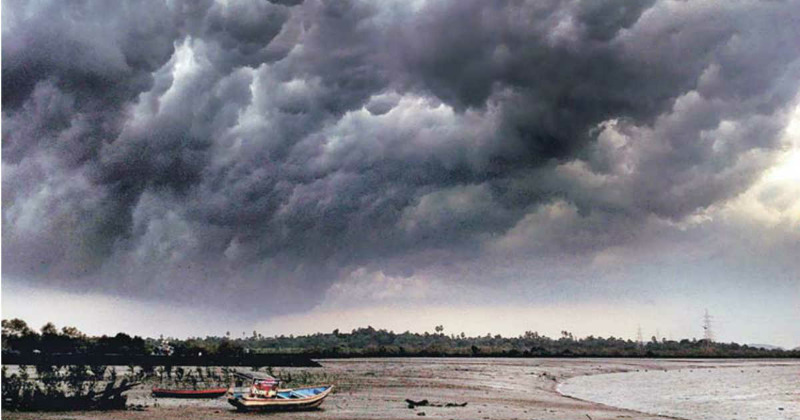
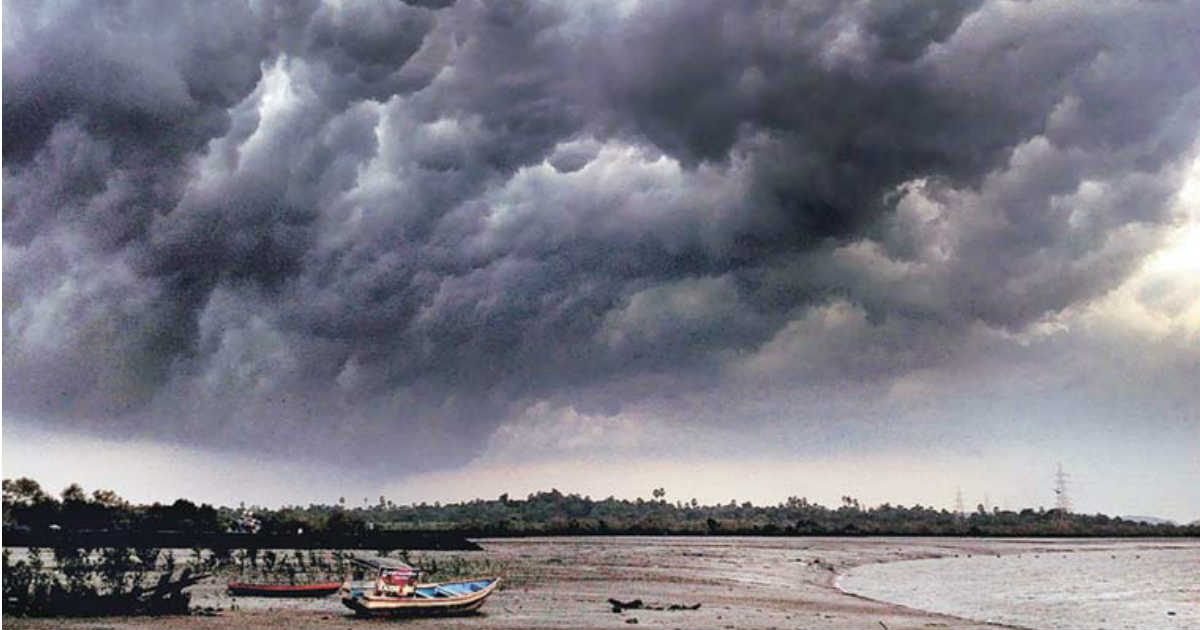
Mumbai, October 1 (India Science Wire): Extreme rainfall events that led to the major flood in Mumbai in August 2017 and the disastrousKerala flood this year as well asseveral less catastrophic ones across the country were predicted by the India Meteorological Department (IMD) days in advance. Yet the forecasts were not useful in avoiding such disasters.
 
A systematic evaluation of the perception of forecast accuracy among engineers and managers who make decisions and uncertainty on dam operations as well as water resources is needed to bridge the gap from forecasts to lifesaving decisions. There is also a need to create seamless forecasts from weather to climate with the so-called extended range or sub-seasonal forecasts.
 
The best examples of sub-seasonal phenomenaare the active and break spells in the monsoon which can lastfor multiple weeks. Most of the agricultural decisions canbenefit fromsub-seasonal forecasts. Other sectors which stand to benefit are disaster preparedness and recovery, energy, water, public health, fisheries and aquaculture.
 
Short (1 to 3 days) and mediumrange (3 to 10 days) forecasts depend on the initial state of the atmosphere, ocean and land. Seasonalforecasts are made possible because climate is controlled by ocean temperatures which change slowly due to the ocean’s ability to store a lot of heat.For example, reliable forecasts of climate modes such as El Niño are possible 6 to 12 months in advance. Since the monsoon also depends on El Niño, monsoon forecast can be made ahead of the season.
 
The intervening timescale between weather and climate, namely, the sub-seasonal timescale was considered a‘prediction desert’ until recently.New insights on its dependence on soil moisture, snow, sea ice, etc., have led to an internationally coordinated effort in sub-seasonal forecasts. The combined sub-seasonal-to-seasonal or S2S forecasts now cover 2 weeks to 12 months.
 
S2S includes active and break spells as well as seasonal monsoon and El Niño.IMD has made great strides in implementing the S2S forecast system as seen by the many successful extreme rainfall events as well as steady improvements in seasonal monsoon forecasts. Why then are they not able to reduce the impacts of floods and droughts?
 
Many studies show there are multiple barriers to the use of S2S forecasts.These include institutional or cultural practices,and resource limitations at agencies that must take decisions. Forecasts seen as useful by forecasters are often not ‘usable’ according to the decision-makers because of reliability, access, credibility, or legitimacy of the information.
 
Many enablers have been identified to facilitate the usability of forecasts. Timely and sector-specific forecasts produced in consultation with stakeholders like dam operators or water managersare found to affect decisions positively. In the aftermath of unavoidable disasters, rapid and participatory integrated assessments by forecasters and decisionmakers are found to be beneficial.Boundary organizations such as extension agents are trusted moreand translation of forecasts by them is seen as more reliable.Continuous communication between forecasters and users could help retailingforecasts to specific sectors (like dam operators) or wholesaling them to agencies (likewater and agricultural agencies).
 
Most of these findings on barriers and enablers are from outside India. India needs to identify its own barriers to forecast use and enablers to enhance usability of IMD forecasts. The framework called “Ready-Set-Go” proposed by the International Research Institute for Climate and Society at Columbia University could suit India as well.
 
The “Ready-Set-Go” advocates decisionmaking processeswiththe full suite of forecasts from weather to S2S timescales. Seasonal forecasts trigger monitoring of weather and sub-seasonal forecasts as well as contingency plans, early warning systems and asset locations for disaster management (Ready). Sub-seasonal forecasts are meant to alert the community, volunteers, and disaster workers (Set). Weather forecasts lead to actual disaster warnings, activation of volunteers, evacuation orders, dam operations, etc., (Go).
 
Since major disasters in India are now about too much or too little water, complementary set of hydrologic forecasts will greatly enhance usability of weather and S2S forecasts. Flood and drought management are impossible without sustained monitoring of hydrological variables- streamflows, soil moisture, groundwater levels, water demand and withdrawals. These need to cover the short (hours to days), medium (weeks) and extended (seasons to years) timescales to ensure actions based on forecast information.
 
Despite the belief of the climate community that more climate information will lead to better decisions, reality has proven otherwise across the world. India can establish a quick and effective process to bridge the gap between useful and usable information and translate its full range of forecasts into actionable information.That is the only way India can maximize the value of its massive investments in weather and S2S forecasts.(India Science Wire)
 
(The writer is a professor of Atmospheric and Oceanic Science and Earth System Science at the University of Maryland. He is currently a visiting professor at IIT Bombay.)

ShareTweetSendShareSend
✮ Subscribe Organiser YouTube Channel. ✮
✮ Join Organiser's WhatsApp channel for Nationalist views beyond the news. ✮
Previous News

Magnificent Text of Siribhoovalaya

Next News

India Unites to Fulfill Bapu?s Dreams: Prime Minister Narendra Modi writes

Related News

Kharge Summoned: Court to Hear Case Over Bajrang Dal Compared With Banned PFI

Can Bajrang Dal be compared to the terrorist organisation PFI? Court summons Congress leader Mallikarjun Kharge

Manonmaniam Sundaranar University convocation on July 28.

Tamil Nadu: Manonmaniam Sundaranar University convocation follows protocol; Vande Mataram first, sparks political row

Murali Sreeshankar Wins Silver in Men's Long Jump in CWG 2026

CWG 2026: ‘Proud moment for Indian Athletics!’ Mansukh Mandaviya congratulates Sreeshankar on winning silver medal

Tamil Nadu: Temple activist seeks criminal action against HR&CE officials in Arunachaleswarar Temple property dispute

Kerala: CPI(M)’s post-poll outreach to win back Hindu voters begins with Kasaragod temple committees

Madurai Meenakshi Amman Temple

Tamil Nadu: Madurai police book 19 over illegal registration of Meenakshi temple Trust Properties

Load More

Latest News

Kharge Summoned: Court to Hear Case Over Bajrang Dal Compared With Banned PFI

Can Bajrang Dal be compared to the terrorist organisation PFI? Court summons Congress leader Mallikarjun Kharge

Manonmaniam Sundaranar University convocation on July 28.

Tamil Nadu: Manonmaniam Sundaranar University convocation follows protocol; Vande Mataram first, sparks political row

Murali Sreeshankar Wins Silver in Men's Long Jump in CWG 2026

CWG 2026: ‘Proud moment for Indian Athletics!’ Mansukh Mandaviya congratulates Sreeshankar on winning silver medal

Tamil Nadu: Temple activist seeks criminal action against HR&CE officials in Arunachaleswarar Temple property dispute

Kerala: CPI(M)’s post-poll outreach to win back Hindu voters begins with Kasaragod temple committees

Madurai Meenakshi Amman Temple

Tamil Nadu: Madurai police book 19 over illegal registration of Meenakshi temple Trust Properties

Kejriwal’s E20 claims fail before Maruti, Toyota, & Hero’s real-world evidence involving crores of vehicles

Bharat’s natural farming mission is reviving traditional agriculture, restoring soil health, cutting costs and promoting sustainable farming

Natural Farming: How Bharat’s return to traditional agriculture could shape the future of global food systems

BMS National Working Committee Concludes in Ranchi

Jharkhand: BMS National Working Committee meeting concludes; Calls for EPS pension hike & amendments to labour codes

Rajabhoj Memorial Lecture Series Committee, Dhar, hosted a lecture on “Bhojshala: India’s Cultural Renaissance” at Milan Mahal

Rajabhoj Memorial Lecture Series: Bhojshala -A powerful symbol of India’s cultural renaissance

Load More
  • Privacy
  • Terms
  • Cookie Policy
  • Refund and Cancellation
  • Delivery and Shipping

© Bharat Prakashan (Delhi) Limited.
Tech-enabled by Ananthapuri Technologies

  • Home
  • Search Organiser
  • Bharat
    • Assam
    • Bihar
    • Chhattisgarh
    • Jharkhand
    • Maharashtra
    • View All States
  • World
    • Asia
    • Africa
    • North America
    • South America
    • Europe
    • Australia
  • Editorial
  • Operation Sindoor
  • Opinion
  • Analysis
  • Defence
  • Culture
  • Sports
  • Business
  • RSS @ 100
  • Entertainment
  • More ..
    • Sci & Tech
    • Vocal4Local
    • Special Report
    • Education
    • Employment
    • Books
    • Interviews
    • Travel
    • Health
    • Politics
    • Law
    • Economy
    • Obituary
  • Subscribe Magazine
  • Read Ecopy
  • Advertise
  • Circulation
  • Careers
  • About Us
  • Contact Us
  • Policies & Terms
    • Privacy Policy
    • Cookie Policy
    • Refund and Cancellation
    • Terms of Use

© Bharat Prakashan (Delhi) Limited.
Tech-enabled by Ananthapuri Technologies