 The Organisation for Economic Cooperation and Development (OECD) has upped the growth prospects of India for 2015-16 to 6.6 per cent. As recently as May they had forecast 5.7 per cent only. This improvement, however, comes with the observation that growth rate is likely to remain below eight per cent in absence of structural reforms. Fitch rating agency too has noted that the pace of structural reforms is slow under the new NDA Government. The Asian Development Bank has said that despite winning the biggest mandate in 30 years, Modi’s government has “not introduced big-ticket reforms that are needed to kick start economic growth.” There is a consensus among global observers that the Modi Government is faltering on introducing fundamental reforms to take the economy to a sustainable high growth trajectory.
The present increase in growth rate is like a good doze of painkillers administered to a cancer patient. The patient feels better and can go to work, perhaps, even. He is not cured of the disease, though. He would die soon. A good doctor would not worry about the patient going to work right away. He would instead hospitalise the patient and undertake surgery so that the patient could live his full life. The surgery would be “structural reforms.”
The first structural reform required is to introduce accountability in the government system. Performance of Government departments is routinely measured by the amount spent even though the result may be negative. Government delivery of welfare programmes often does more harm than good. Students enrolling in government schools are twice as likely not to pass the exams. The rot runs through departments like health, Public Welfare Department (PWD) and police. Need is to put in place a system of performance audit so that the Government employees are held accountable not for spending money but for producing better outcomes. The NDA Government is silent on this.
The salaries of Government servants are exorbitant. The average yearly emoluments of public sector employees in 2012-13 were Rs 8.28 lakh. The average yearly income of a citizen of India was Rs 67 thousand at that time. The public sector employees, appointed to serve the people, were drawing more than 12 times the salary of the person whom they were meant to serve. The entire collection of Commercial Taxes made by many State Governments is used up in paying these huge salaries to the Government teachers only. The servant has become the master. Poor people are paying taxes so that hefty salaries of the servants can be paid. Structural reform means that the average salary of Government servants should be made approximately equal to the salary of the people whom they are to serve. Focus must be shifted to measuring their output as was recommended by the Fifth Pay Commission. The NDA Government, however, is merrily going along with the Seventh Pay Commission appointed by the UPA to recommend a further increase in salaries of the Government servants.
The food and fertiliser subsidies are hugely inefficient. Food subsidies go more to sustain the inefficiency and corruption at the Food Corporation of India (FCI). Fertiliser subsidies go towards subsidising inefficient factories so that they can continue to produce inefficiently. Structural reforms mean that the subsidies are dismantled. Need was to put in place a programme to generate more jobs so that people had the purchasing power to buy food from the market. The fertiliser subsidies could be replaced with a higher Minimum Support Price so that farmers were enabled to buy fertilisers is the market rates. Instead the NDA Government is only tinkering with better delivery of these subsidies. That is like giving better painkillers to the cancer patient.
We are adding about one crore young men and women to our work force every year. Considering the backlog, about 40 crore persons would want to get a job in the organised sector. Against this we added a paltry five lakh jobs in 2011-12. 95 per cent of the adults as well as new entrants have to eke out their livelihood by working as agricultural labour, or selling peanuts. The policy of promoting growth by seeking capital intensive investment has not delivered. Need was to put in place a policy of creating large numbers of jobs in the organised sectors. Tax incentives could be given to labour intensive industries. Instead the NDA Government is trying to implement “Make in India” by promoting more of the same capital-intensive investment strategy that has failed. 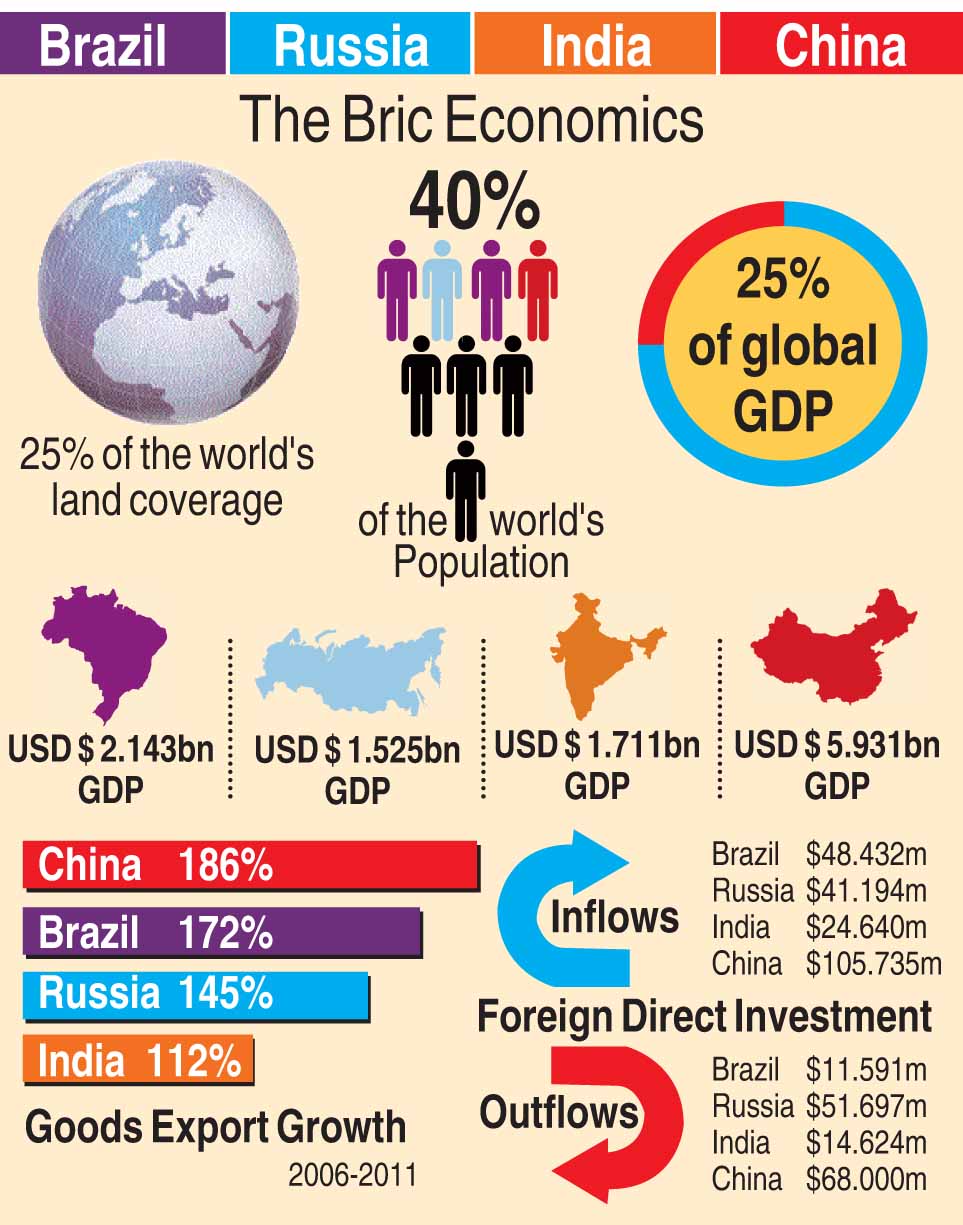 The Public Sector Undertakings (PSUs) are beset with problems of over-staffing, nepotism, political interference and a mismatch between the objectives of the officials and the Company. Officials bleed the PSUs to make money for themselves. These problems are not going to go away by disinvestment that entails selling minority shares of the PSU to the public while keeping control with the politicians and bureaucrats. Structural reform requires that the control of politicians and bureaucrats on the PSUs is removed. Modi Government, unlike Vajpayee, is shying away from this structural reform.
Huge evidence is available that “trickle down” theory of development is not working. The theory holds that the part of the increasing wealth of the rich with trickle down to the poor. The effort is to allow the rich to become richer. Evidence indicates that the trickle down is so meager as to be irrelevant. Domestic and foreign big companies are in the forefront of this capital-intensive development. There is also a growing body of knowledge that tells us that Foreign Direct Investment (FDI) has positive impact on the economy in the short run. Jobs are created in the factories setup by Multi-National Companies (MNCs). However, the tables turn in the long run. MNCs start repatriating large amounts of monies as profits and royalty payments. This leads to the impoverishment of the host economy. However, the impact of FDI can be positive when MNCs come with frontier technologies. It follows that indiscriminate entry of FDI can be harmful for the economy. FDI should be welcome only if it comes with advanced technologies. Structural reform would require that the Government put in place a system of technological audit of FDI proposals. Only those proposals may be welcomed that come with advanced technologies. Unfortunately Modi Government is continuing with the old model of welcoming all FDI.
The NDA must wake up and confront structural reforms. Time will soon start running out. The patient suffering from cancer can be cured only if surgery is done in time. Giving painkillers only hides the disease for some time till it reappears with a vengeance. Modi Government is similarly busy administering painkillers to the economy. There is no fresh thinking on the fundamental reasons for weakness in the economy reforms. Time is running out. Modi must place his roadmap of structural reforms before the country.
Dr Bharat Jhunjhunwala? (The writer is a former Professor of Economics at IIM Bengaluru)
?