A short history of British colonialisation of India
July 9, 2026
  • Read Ecopy
  • Circulation
  • Advertise
  • Careers
  • About Us
  • Contact Us
Android AppiPhone AppArattai
Organiser
  • ‌
  • Bharat
    • Assam
    • Bihar
    • Chhattisgarh
    • Jharkhand
    • Maharashtra
    • View All States
  • World
    • Asia
    • Europe
    • North America
    • South America
    • Africa
    • Australia
  • Editorial
  • International
  • Opinion
  • RSS @ 100
  • More
    • Op Sindoor
    • Analysis
    • Sports
    • Defence
    • Politics
    • Business
    • Economy
    • Culture
    • Special Report
    • Sci & Tech
    • Entertainment
    • G20
    • Azadi Ka Amrit Mahotsav
    • Vocal4Local
    • Web Stories
    • Education
    • Employment
    • Books
    • Interviews
    • Travel
    • Law
    • Health
    • Obituary
  • Subscribe
    • Subscribe Print Edition
    • Subscribe Ecopy
    • Read Ecopy
  • ‌
  • Bharat
    • Assam
    • Bihar
    • Chhattisgarh
    • Jharkhand
    • Maharashtra
    • View All States
  • World
    • Asia
    • Europe
    • North America
    • South America
    • Africa
    • Australia
  • Editorial
  • International
  • Opinion
  • RSS @ 100
  • More
    • Op Sindoor
    • Analysis
    • Sports
    • Defence
    • Politics
    • Business
    • Economy
    • Culture
    • Special Report
    • Sci & Tech
    • Entertainment
    • G20
    • Azadi Ka Amrit Mahotsav
    • Vocal4Local
    • Web Stories
    • Education
    • Employment
    • Books
    • Interviews
    • Travel
    • Law
    • Health
    • Obituary
  • Subscribe
    • Subscribe Print Edition
    • Subscribe Ecopy
    • Read Ecopy
Organiser
  • Home
  • Bharat
  • World
  • Operation Sindoor
  • Editorial
  • Analysis
  • Opinion
  • Culture
  • Defence
  • International Edition
  • RSS @ 100
  • Magazine
  • Read Ecopy
Home General

A short history of British colonialisation of India

Archive ManagerArchive Manager
Jan 12, 2013, 12:00 am IST
in General
Follow on Google News
FacebookTwitterWhatsAppTelegramEmail

Manju Gupta
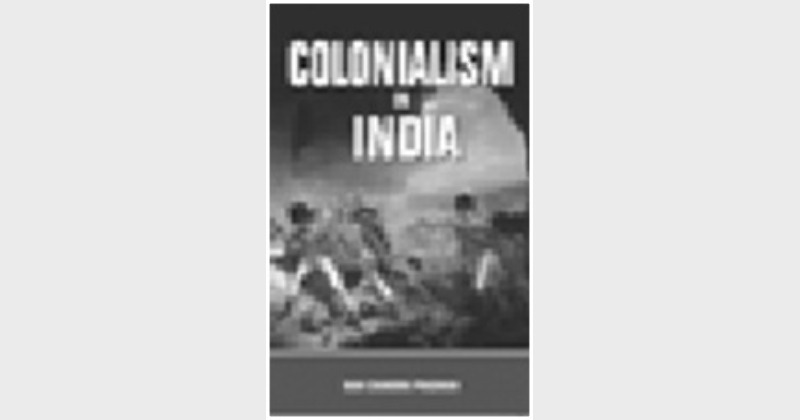
Colonialism in India, Ram Chandra Pradhan, Macmillan Publishers India Ltd, Pp 270, Rs 215.00


Talking of capitalism in Part I, the author says that capitalism and socialism have been two major ideologies offering two different socio-economic and political orders of our time. But after the collapse of the Soviet Union and with the communist China too taking the capitalist road, Marxism/socialism as a working system has been on the decline. This, he says, is because of the enormous adaptability to the new challenges by capitalism. After discussing the characteristics and forms of capitalism, the author presents an overview of imperialism and colonialism and he says that in all, the colonial system greatly harmed the basic interests of the people of their colonies who profited much less than what they lost in the process.

The author discusses themes of imperialism, neo-colonialism, post-colonialism, nationalism and history of colonisation and nationalism in India. While presenting an overview of British occupation of India, he provides answers to what was wrong with our polity and economy, which prevented us from successfully thwarting all British attempts at occupation of India. He also delineates and analyses the actual conditions responsible for the East Indian Company and its profit-making merchants, who, equipped with a weighing scale in their hands, turned from power-weighing to a power-wielding sceptre.  

With reference to the effects of British rule on Indian agriculture, the author says that it was due to acquisition of diwani rights of Bengal, Orissa and Bihar in 1765 that the East India Company could buy Indian goods as they could pay for them from the funds accumulated from its land revenue exactions. In other words, the East India Company re-used sufficient funds to buy Indian goods without bringing its bullion from England. It resorted to exacting the main amount of land revenue from Indian tenants, even by resorting to force. This had a disastrous impact on Indian agriculture.

In the next chapter, the author describes how Macaulay’s system of English education created a barrier between the elite and the common masses which turned out to be unbridgeable, even in the post-Independent era.

In the third part of the book, the author discusses the peasant and tribal revolts during the colonial period, followed by the war of Independence of 1857. Talking of the gender issues in the colonial era, the author says that it strengthened the institution of patriarchy and the socio-religious movement did not touch the women of the lower strata. He concedes that though since then, Indian leaders have laid the foundation for women’s liberation, a lot yet remains to be done for the woman’s cause. He concludes by saying that in this era of globalisation, the “colonial and slavish mentality is growing among the elite and though leaders like Vivekananda, Aurobindo, Raman Maharshi, Dayanand and Mahatma Gandhi and others tried to control the tide of Westernisation, a similar challenge of Westernisation is facing us today.”

(Macmillan Publishers India Ltd, 3A, 5th Floor, DLF, Corporate      Park, Gurgaon 122 002; www.macmillaneducation.in)

ShareTweetSendShareSend
✮ Subscribe Organiser YouTube Channel. ✮
✮ Join Organiser's WhatsApp channel for Nationalist views beyond the news. ✮
Previous News

The perils of free market

Next News

The seeds of discord and revolt in Syria

Related News

Representatives of the civil society members addressing the media

14 Manipur civil society groups demand NRC update before 2027 Census; Meet top MHA officials in Delhi

Dignitaries on the stage on the occasion of 90 years of Rashtra Sevika Samiti and celebration of birth anniversary of its founder Lakshmibai Kelkar

Lakshmibai Kelkar Birth Anniversary | The need is not to give strength to women but to awaken it: Alka Inamdar

UP transformed from an electricity-deficient state to a model of household electrification and power reforms over the past decade

Ten Years of Power Reforms in UP: How electricity schemes transformed the state’s energy landscape

A representative image

Poshan Tracker: How India’s real-time nutrition monitoring platform is transforming nutrition governance

Melbourne [Australia], Jul 09 (ANI): Prime Minister Narendra Modi and Australian Prime Minister Anthony Albanese exchange a handshake, in Melbourne on Thursday. (@narendramodi X/ANI Photo)

India, Australia launch new era of strategic cooperation with uranium pact

ABVP's National General Secretary Dr Virendra Singh Solanki hoisted the flag at ABVP Lucknow Office on occasion of National Students' Day

ABVP’s 78th Foundation Day: World’s largest student organisation reaffirms its commitment to service & nation-building

Load More

Latest News

Representatives of the civil society members addressing the media

14 Manipur civil society groups demand NRC update before 2027 Census; Meet top MHA officials in Delhi

Dignitaries on the stage on the occasion of 90 years of Rashtra Sevika Samiti and celebration of birth anniversary of its founder Lakshmibai Kelkar

Lakshmibai Kelkar Birth Anniversary | The need is not to give strength to women but to awaken it: Alka Inamdar

UP transformed from an electricity-deficient state to a model of household electrification and power reforms over the past decade

Ten Years of Power Reforms in UP: How electricity schemes transformed the state’s energy landscape

A representative image

Poshan Tracker: How India’s real-time nutrition monitoring platform is transforming nutrition governance

Melbourne [Australia], Jul 09 (ANI): Prime Minister Narendra Modi and Australian Prime Minister Anthony Albanese exchange a handshake, in Melbourne on Thursday. (@narendramodi X/ANI Photo)

India, Australia launch new era of strategic cooperation with uranium pact

ABVP's National General Secretary Dr Virendra Singh Solanki hoisted the flag at ABVP Lucknow Office on occasion of National Students' Day

ABVP’s 78th Foundation Day: World’s largest student organisation reaffirms its commitment to service & nation-building

T. Satisan speaks. L/R: E.N. Nandakumar, K.G. Venugopal, Adv. K. Ramkumar, Kummanam Rajasekharan and Sunil Vadayar

Keralam: RSS karyakartas in Kochi remember Emergency, honour anti-Emergency struggle veterans

Hindu Munnani protesting against the temple demolition move

Tamil Nadu: Hindu Munnani protests Rajakaali Amman Temple demolition in Ramanathapuram, alleges TVK is targeting Hindus

A representative image

How India turned a toy import crisis into a 152 Million US dollar trade surplus: Inside the Toy Story

NIA conducted a fresh search at Abdul Salam's Ballari residence, seizing a mobile phone in an ongoing online radicalisation probe

Karnataka: NIA raids suspected terrorist Abdul Salam’s house in Ballari in radicalisation case; Mobile phone seized

Load More
  • Privacy
  • Terms
  • Cookie Policy
  • Refund and Cancellation
  • Delivery and Shipping

© Bharat Prakashan (Delhi) Limited.
Tech-enabled by Ananthapuri Technologies

  • Home
  • Search Organiser
  • Bharat
    • Assam
    • Bihar
    • Chhattisgarh
    • Jharkhand
    • Maharashtra
    • View All States
  • World
    • Asia
    • Africa
    • North America
    • South America
    • Europe
    • Australia
  • Editorial
  • Operation Sindoor
  • Opinion
  • Analysis
  • Defence
  • Culture
  • Sports
  • Business
  • RSS @ 100
  • Entertainment
  • More ..
    • Sci & Tech
    • Vocal4Local
    • Special Report
    • Education
    • Employment
    • Books
    • Interviews
    • Travel
    • Health
    • Politics
    • Law
    • Economy
    • Obituary
  • Subscribe Magazine
  • Read Ecopy
  • Advertise
  • Circulation
  • Careers
  • About Us
  • Contact Us
  • Policies & Terms
    • Privacy Policy
    • Cookie Policy
    • Refund and Cancellation
    • Terms of Use

© Bharat Prakashan (Delhi) Limited.
Tech-enabled by Ananthapuri Technologies