A short history of British colonialisation of India
June 16, 2026
  • Read Ecopy
  • Circulation
  • Advertise
  • Careers
  • About Us
  • Contact Us
Android AppiPhone AppArattai
Organiser
  • ‌
  • Bharat
    • Assam
    • Bihar
    • Chhattisgarh
    • Jharkhand
    • Maharashtra
    • View All States
  • World
    • Asia
    • Europe
    • North America
    • South America
    • Africa
    • Australia
  • Editorial
  • International
  • Opinion
  • RSS @ 100
  • More
    • Op Sindoor
    • Analysis
    • Sports
    • Defence
    • Politics
    • Business
    • Economy
    • Culture
    • Special Report
    • Sci & Tech
    • Entertainment
    • G20
    • Azadi Ka Amrit Mahotsav
    • Vocal4Local
    • Web Stories
    • Education
    • Employment
    • Books
    • Interviews
    • Travel
    • Law
    • Health
    • Obituary
  • Subscribe
    • Subscribe Print Edition
    • Subscribe Ecopy
    • Read Ecopy
  • ‌
  • Bharat
    • Assam
    • Bihar
    • Chhattisgarh
    • Jharkhand
    • Maharashtra
    • View All States
  • World
    • Asia
    • Europe
    • North America
    • South America
    • Africa
    • Australia
  • Editorial
  • International
  • Opinion
  • RSS @ 100
  • More
    • Op Sindoor
    • Analysis
    • Sports
    • Defence
    • Politics
    • Business
    • Economy
    • Culture
    • Special Report
    • Sci & Tech
    • Entertainment
    • G20
    • Azadi Ka Amrit Mahotsav
    • Vocal4Local
    • Web Stories
    • Education
    • Employment
    • Books
    • Interviews
    • Travel
    • Law
    • Health
    • Obituary
  • Subscribe
    • Subscribe Print Edition
    • Subscribe Ecopy
    • Read Ecopy
Organiser
  • Home
  • Bharat
  • World
  • Operation Sindoor
  • Editorial
  • Analysis
  • Opinion
  • Culture
  • Defence
  • International Edition
  • RSS @ 100
  • Magazine
  • Read Ecopy
Home General

A short history of British colonialisation of India

Archive ManagerArchive Manager
Jan 12, 2013, 12:00 am IST
in General
Follow on Google News
FacebookTwitterWhatsAppTelegramEmail

Manju Gupta
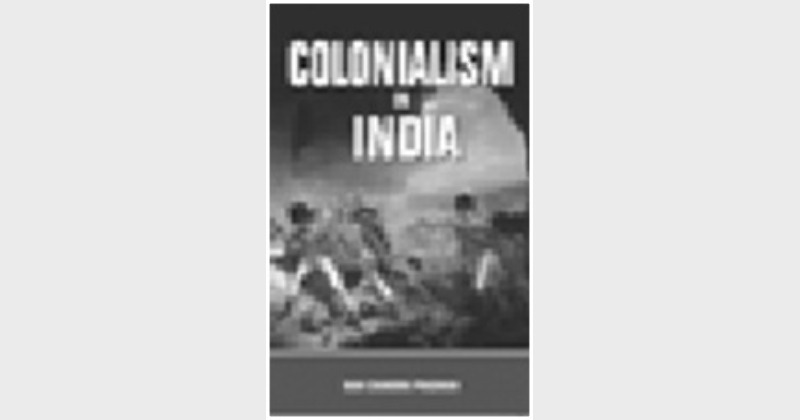
Colonialism in India, Ram Chandra Pradhan, Macmillan Publishers India Ltd, Pp 270, Rs 215.00


Talking of capitalism in Part I, the author says that capitalism and socialism have been two major ideologies offering two different socio-economic and political orders of our time. But after the collapse of the Soviet Union and with the communist China too taking the capitalist road, Marxism/socialism as a working system has been on the decline. This, he says, is because of the enormous adaptability to the new challenges by capitalism. After discussing the characteristics and forms of capitalism, the author presents an overview of imperialism and colonialism and he says that in all, the colonial system greatly harmed the basic interests of the people of their colonies who profited much less than what they lost in the process.

The author discusses themes of imperialism, neo-colonialism, post-colonialism, nationalism and history of colonisation and nationalism in India. While presenting an overview of British occupation of India, he provides answers to what was wrong with our polity and economy, which prevented us from successfully thwarting all British attempts at occupation of India. He also delineates and analyses the actual conditions responsible for the East Indian Company and its profit-making merchants, who, equipped with a weighing scale in their hands, turned from power-weighing to a power-wielding sceptre.  

With reference to the effects of British rule on Indian agriculture, the author says that it was due to acquisition of diwani rights of Bengal, Orissa and Bihar in 1765 that the East India Company could buy Indian goods as they could pay for them from the funds accumulated from its land revenue exactions. In other words, the East India Company re-used sufficient funds to buy Indian goods without bringing its bullion from England. It resorted to exacting the main amount of land revenue from Indian tenants, even by resorting to force. This had a disastrous impact on Indian agriculture.

In the next chapter, the author describes how Macaulay’s system of English education created a barrier between the elite and the common masses which turned out to be unbridgeable, even in the post-Independent era.

In the third part of the book, the author discusses the peasant and tribal revolts during the colonial period, followed by the war of Independence of 1857. Talking of the gender issues in the colonial era, the author says that it strengthened the institution of patriarchy and the socio-religious movement did not touch the women of the lower strata. He concedes that though since then, Indian leaders have laid the foundation for women’s liberation, a lot yet remains to be done for the woman’s cause. He concludes by saying that in this era of globalisation, the “colonial and slavish mentality is growing among the elite and though leaders like Vivekananda, Aurobindo, Raman Maharshi, Dayanand and Mahatma Gandhi and others tried to control the tide of Westernisation, a similar challenge of Westernisation is facing us today.”

(Macmillan Publishers India Ltd, 3A, 5th Floor, DLF, Corporate      Park, Gurgaon 122 002; www.macmillaneducation.in)

ShareTweetSendShareSend
✮ Subscribe Organiser YouTube Channel. ✮
✮ Join Organiser's WhatsApp channel for Nationalist views beyond the news. ✮
Previous News

The perils of free market

Next News

The seeds of discord and revolt in Syria

Related News

Rabindranath Tagore

Rabindranath Tagore and the revival of Hindu civilisational pride

Representative Image

Viksit Bharat Shiksha Adhishthan Bill 2025: Mandate to promote Bharatiya ‘Gyan’ & ‘Bhasha’

Uttar Pradesh: Digital democracy dialogue ‘Triveni’ concludes; Focused on inclusive growth & cultural discourses

RSS Pune organises workshop on “Preparing for the AI Era”; Experts stress on AI literacy and Atmanirbharata in AI

Assam Governor Lakshman Prasad Acharya leads sacred Buddha relics mission to Mongolia

India- Mongolia Relations: Celebrating the spiritual neighbourhood

The AN-32: Service, sacrifice and the search for a successor

Load More

Latest News

Rabindranath Tagore

Rabindranath Tagore and the revival of Hindu civilisational pride

Representative Image

Viksit Bharat Shiksha Adhishthan Bill 2025: Mandate to promote Bharatiya ‘Gyan’ & ‘Bhasha’

Uttar Pradesh: Digital democracy dialogue ‘Triveni’ concludes; Focused on inclusive growth & cultural discourses

RSS Pune organises workshop on “Preparing for the AI Era”; Experts stress on AI literacy and Atmanirbharata in AI

Assam Governor Lakshman Prasad Acharya leads sacred Buddha relics mission to Mongolia

India- Mongolia Relations: Celebrating the spiritual neighbourhood

The AN-32: Service, sacrifice and the search for a successor

The Baya River of Bihar: How Jan Andolan brought the dying stream back to life

Oplus_16908288

Love Jihad in Assam: Illias Ahmed trapped Noida Hindu girl with fake identity; Held in Guwahati, victim untraceable

UK bans social media for under-16s: Tightens online vigilance to insulate children from digital risks

Maoist Arms Dump Recovered in Malkangiri

Odisha: Another major Maoist arms dump recovered in Malkangiri; Four hidden caches unearthed in last eight days

Load More
  • Privacy
  • Terms
  • Cookie Policy
  • Refund and Cancellation
  • Delivery and Shipping

© Bharat Prakashan (Delhi) Limited.
Tech-enabled by Ananthapuri Technologies

  • Home
  • Search Organiser
  • Bharat
    • Assam
    • Bihar
    • Chhattisgarh
    • Jharkhand
    • Maharashtra
    • View All States
  • World
    • Asia
    • Africa
    • North America
    • South America
    • Europe
    • Australia
  • Editorial
  • Operation Sindoor
  • Opinion
  • Analysis
  • Defence
  • Culture
  • Sports
  • Business
  • RSS @ 100
  • Entertainment
  • More ..
    • Sci & Tech
    • Vocal4Local
    • Special Report
    • Education
    • Employment
    • Books
    • Interviews
    • Travel
    • Health
    • Politics
    • Law
    • Economy
    • Obituary
  • Subscribe Magazine
  • Read Ecopy
  • Advertise
  • Circulation
  • Careers
  • About Us
  • Contact Us
  • Policies & Terms
    • Privacy Policy
    • Cookie Policy
    • Refund and Cancellation
    • Terms of Use

© Bharat Prakashan (Delhi) Limited.
Tech-enabled by Ananthapuri Technologies