A study of the status of Indian women
June 9, 2026
  • Read Ecopy
  • Circulation
  • Advertise
  • Careers
  • About Us
  • Contact Us
Android AppiPhone AppArattai
Organiser
  • ‌
  • Bharat
    • Assam
    • Bihar
    • Chhattisgarh
    • Jharkhand
    • Maharashtra
    • View All States
  • World
    • Asia
    • Europe
    • North America
    • South America
    • Africa
    • Australia
  • Editorial
  • International
  • Opinion
  • RSS @ 100
  • More
    • Op Sindoor
    • Analysis
    • Sports
    • Defence
    • Politics
    • Business
    • Economy
    • Culture
    • Special Report
    • Sci & Tech
    • Entertainment
    • G20
    • Azadi Ka Amrit Mahotsav
    • Vocal4Local
    • Web Stories
    • Education
    • Employment
    • Books
    • Interviews
    • Travel
    • Law
    • Health
    • Obituary
  • Subscribe
    • Subscribe Print Edition
    • Subscribe Ecopy
    • Read Ecopy
  • ‌
  • Bharat
    • Assam
    • Bihar
    • Chhattisgarh
    • Jharkhand
    • Maharashtra
    • View All States
  • World
    • Asia
    • Europe
    • North America
    • South America
    • Africa
    • Australia
  • Editorial
  • International
  • Opinion
  • RSS @ 100
  • More
    • Op Sindoor
    • Analysis
    • Sports
    • Defence
    • Politics
    • Business
    • Economy
    • Culture
    • Special Report
    • Sci & Tech
    • Entertainment
    • G20
    • Azadi Ka Amrit Mahotsav
    • Vocal4Local
    • Web Stories
    • Education
    • Employment
    • Books
    • Interviews
    • Travel
    • Law
    • Health
    • Obituary
  • Subscribe
    • Subscribe Print Edition
    • Subscribe Ecopy
    • Read Ecopy
Organiser
  • Home
  • Bharat
  • World
  • Operation Sindoor
  • Editorial
  • Analysis
  • Opinion
  • Culture
  • Defence
  • International Edition
  • RSS @ 100
  • Magazine
  • Read Ecopy
Home Bharat

A study of the status of Indian women

Manju GuptaWomen in India, U Kalpagam (ed.), Gyan Publishing House, Pp 232, Rs 650.00IN this era of globalisation when economic and socio-cultural changes are taking place at a fast pace, the nation-states are facing new pressures from transnational institutions and social movements, calling for an understanding of the ways in which global and local forces are interacting and impacting the women?s lives.

Archive ManagerArchive Manager
Sep 24, 2012, 07:01 pm IST
in Bharat
Follow on Google News
FacebookTwitterWhatsAppTelegramEmail


$img_titleManju Gupta

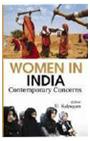
Women in India, U Kalpagam (ed.), Gyan Publishing House, Pp 232, Rs 650.00
IN this era of globalisation when economic and socio-cultural changes are taking place at a fast pace, the nation-states are facing new pressures from transnational institutions and social movements, calling for an understanding of the ways in which global and local forces are interacting and impacting the women’s lives. Such changes are posing a serious challenge to their traditional roles and cultural identities while creating new roles and identities and marginalising some in the economic and political processes while opening up opportunities for others. The book also throws light on issues of change and continuity in contemporary India and on the ways women of various social groups have experienced these changes.
The book covers a multiplicity of themes related to contemporary epistemology of women’s studies. Written by experienced scholars and activists, the papers talk of the impact of socio-cultural changes on women. A common sociological approach is to study the impact of changes under conditions of modernity and how tradition has been retained, preserved, invented and re-invented under modern conditions despite the Western impact. How modernity has impinged on the lives of women, shaped their desires and conduct, refashioned them as modern mothers, wives, daughters and workers, expanded work opportunities, redefined private and pubic spheres, made them into rights-bearing citizens and modern political subjects, as also the practices and processes of intrusion or exclusion in the modernising process are a central concern and primary theme of research in women’s studies in post-colonial developing societies.
 Fatima Burnard Nadeem writes on the Dalit women’s movements in Tamil Nadu, highlighting the social discrimination, economic deprivation and the daily violence experienced by Dalits and which is also very much the same elsewhere in the country as well.
Sunita Parmar reflects in her essay on how the family figures as a recurring theme in the fictional novels of Shashi Deshpande, a well-known contemporary women’s writer. What emerges from her analysis is that some women may be feeling helpless in certain familial contexts, the women’s movements point to the insufficiencies of individual agencies for changing gender power structures in society.
Subhadra Channa studies the Jad Bhotiyan women of the Himalayan mountains and talks of how they have been affected by external forces since the 1960s when Tibet was occupied and how it has stopped the long-standing trade with the Tibetan community and forced them to move to the lower ranges of the mountains.
Rehana Ghadially deals with the recent attempts in the Muslim community to evolve a consensus-based standardised nikhanama.
(Gyan Publishing House, 23, Main Ansari Road, Daryaganj, New Delhi-110 002; www.gyanbooks.com)


ShareTweetSendShareSend
✮ Subscribe Organiser YouTube Channel. ✮
✮ Join Organiser's WhatsApp channel for Nationalist views beyond the news. ✮
Previous News

A wholesome on Apple

Next News

Unveiling the real face of Pakistan

Related News

Accused Nida Khan reportedly admits taking victim for religious instruction, teaching Islamic rituals

Nashik TCS Corporate Jihad: ‘I taught her how to do namaz,’ says Nida Khan; victim pressured to observe 30 ramzan roza

Germany: Sri Ganesha temple opens in Berlin: Europe’s largest Hindu Mandir reflects India’s cultural & dharmic spirit

Rajasthn | RSS centenary journey embodies dedication to nation-building: Dr Ramesh Agrawal

Decades of illegal infiltration from Bangladesh have driven profound demographic shifts in Assam, fundamentally altering its religious, linguistic, and political landscape

Unnatural demographic change: The termite threat

The Rs 200-crore MAHA Water Mission seeks to boost water security and democratise research funding in India

From Rigveda to Research Labs: How ANRF’s Rs 200 crore water mission is securing India’s future

(Right) Prakhar Shrivastava, Senior Consulting Editor and Anchor at Delhi Doordarshan Kendra at a Narada Jayanti programme in Guwahati (Left) Prakahar Srivastava addressing the gathering

Narada Jayanti by VSK Assam: “Half-truths more dangerous than lies,” says senior journalist Prakhar Shrivastava

Load More

Latest News

Accused Nida Khan reportedly admits taking victim for religious instruction, teaching Islamic rituals

Nashik TCS Corporate Jihad: ‘I taught her how to do namaz,’ says Nida Khan; victim pressured to observe 30 ramzan roza

Germany: Sri Ganesha temple opens in Berlin: Europe’s largest Hindu Mandir reflects India’s cultural & dharmic spirit

Rajasthn | RSS centenary journey embodies dedication to nation-building: Dr Ramesh Agrawal

Decades of illegal infiltration from Bangladesh have driven profound demographic shifts in Assam, fundamentally altering its religious, linguistic, and political landscape

Unnatural demographic change: The termite threat

The Rs 200-crore MAHA Water Mission seeks to boost water security and democratise research funding in India

From Rigveda to Research Labs: How ANRF’s Rs 200 crore water mission is securing India’s future

(Right) Prakhar Shrivastava, Senior Consulting Editor and Anchor at Delhi Doordarshan Kendra at a Narada Jayanti programme in Guwahati (Left) Prakahar Srivastava addressing the gathering

Narada Jayanti by VSK Assam: “Half-truths more dangerous than lies,” says senior journalist Prakhar Shrivastava

Everest Survivor being taken to the hospital on a stretcher

Everest Survivor ICU Interview: BBC under fire for interviewing Sherpa without family’s consent

Phillipines Earthquake: 7.8 magnitude deadly earthquake leaves 15 dead, 200 injured; Rescue operation underway

Shamli Conversion Case: 'I studied Islam on YouTube,' says Ayush Malik as family alleges grooming

Shamli Conversion Case: ‘I studied Islam on YouTube,’ says Ayush Malik, now Mohammad Ali, as family alleges grooming

RSS functionaries on the stage at samapan samaroh of Sangh Shiksha Varg and Karyakarta Vikas Varg–Pratham at Sambalpur.

Awakening of Lokshakti is essential for building a glorious Bharat: Dr Gopal Prasad Mahapatra

Load More
  • Privacy
  • Terms
  • Cookie Policy
  • Refund and Cancellation
  • Delivery and Shipping

© Bharat Prakashan (Delhi) Limited.
Tech-enabled by Ananthapuri Technologies

  • Home
  • Search Organiser
  • Bharat
    • Assam
    • Bihar
    • Chhattisgarh
    • Jharkhand
    • Maharashtra
    • View All States
  • World
    • Asia
    • Africa
    • North America
    • South America
    • Europe
    • Australia
  • Editorial
  • Operation Sindoor
  • Opinion
  • Analysis
  • Defence
  • Culture
  • Sports
  • Business
  • RSS @ 100
  • Entertainment
  • More ..
    • Sci & Tech
    • Vocal4Local
    • Special Report
    • Education
    • Employment
    • Books
    • Interviews
    • Travel
    • Health
    • Politics
    • Law
    • Economy
    • Obituary
  • Subscribe Magazine
  • Read Ecopy
  • Advertise
  • Circulation
  • Careers
  • About Us
  • Contact Us
  • Policies & Terms
    • Privacy Policy
    • Cookie Policy
    • Refund and Cancellation
    • Terms of Use

© Bharat Prakashan (Delhi) Limited.
Tech-enabled by Ananthapuri Technologies