The Delhi Police has defended its use of Facial Recognition System (FRS) technology during recent student demonstrations over examination paper leaks, telling the Supreme Court that the system was used for targeted identification and not to conduct mass surveillance of protesters.
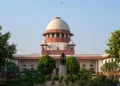
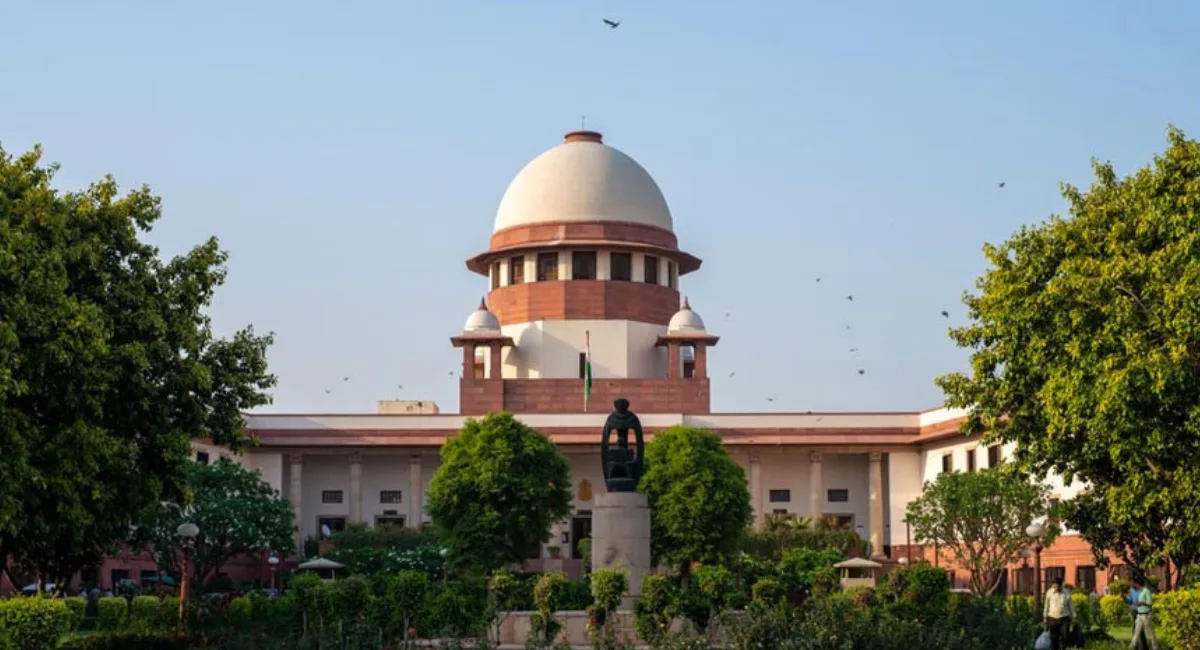
The police made the submission in a sworn affidavit placed before a Supreme Court bench comprising Chief Justice Surya Kant, Justice Joymalya Bagchi and Justice V Mohana.
The affidavit was filed in response to concerns raised by petitioners over the use of facial-recognition technology at public demonstrations and the potential implications for privacy and biometric data.
The Delhi Police described the deployment of the technology as a “proportionate, bona fide, and legitimate State interest”, while rejecting allegations that it amounted to indiscriminate surveillance of citizens participating in the protests.
Police say FRS was used for targeted identification
According to the Delhi Police, the facial recognition system was not designed to profile every person present at the demonstration.
The police said the technology was used to compare images captured at the protest site with an existing database containing records of serious criminal offenders.
The affidavit maintained that the database did not include people whose only offences were petty traffic violations or ordinary members of the public with no criminal history.
Police said the system generated matches involving 2,873 individuals present at the protest site with existing serious crime records.
Among those identified, 92 people were allegedly involved in more than 10 criminal cases, while 47 were classified as history-sheeters, according to the police submission.
The police argued that these figures demonstrated the usefulness of the technology in identifying individuals with a history of serious offences amid a large and potentially volatile gathering.
However, the police also stressed that a facial-recognition match was not treated as conclusive evidence against an individual.
No action based solely on facial-recognition match
A key part of the police’s defence before the Supreme Court concerned the verification process following a facial-recognition match.
According to the affidavit, police personnel do not automatically initiate legal or punitive action merely because an individual’s face matches an image in the database.
The police said every match is subjected to secondary field verification before any further action is considered.
The submission is significant because petitioners have raised concerns about the possibility of mistaken facial-recognition matches and the consequences of relying on automated biometric identification.
The police maintained that human verification is therefore an essential safeguard in the process.
Police cite scale of Jantar Mantar protest
The Delhi Police also highlighted the scale of the demonstration to explain why additional identification and surveillance measures were considered necessary.
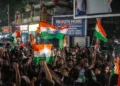
According to the affidavit, the protest at Jantar Mantar involved a crowd estimated at more than 30,000 people, while around 5,000 police personnel were deployed.
The protest was initially led by students over allegations concerning examination paper leaks and related issues.
The police, however, told the court that the agitation later saw the involvement of what it described as anti-social elements.
According to the police account, protesters attempted to march towards Parliament and clashes broke out after barricades were breached.
The affidavit stated that more than 240 police personnel and around 200 protesters were injured during the clashes.
Against this backdrop, the police said plainclothes personnel, described as “spotters”, and real-time surveillance tools were used to identify individuals who could pose a security threat within the large gathering.
Petitioners challenge facial-recognition process
The police’s account has been strongly contested by lawyers representing the petitioners.
Senior advocates appearing for the petitioners questioned how facial-recognition technology operates when deployed in a large public gathering.
Their argument is that the technology necessarily processes images or video feeds of people within the wider crowd before identifying individuals who may match a database.
The petitioners have also raised concerns over the involvement of third-party entities in handling biometric information and questioned what happens to the data of people who are scanned but do not match any criminal record.
The concerns go beyond the specific protest and touch upon the broader constitutional implications of using automated facial-recognition technology at public assemblies.
Police deny selling biometric data
The Delhi Police has categorically rejected allegations that personal biometric information collected through the system was sold or that protesters were subjected to indiscriminate profiling.
The police described such allegations as false narratives intended to mislead the public.
The force has maintained that the technology was deployed for legitimate law-enforcement purposes and that its use was connected to identifying individuals with serious criminal histories in the context of a large protest.
The dispute before the Supreme Court therefore centres not only on whether facial recognition helped identify criminal suspects, but also on the safeguards governing the collection, processing, storage and use of biometric information.
Supreme Court examining privacy safeguards
The matter before the Supreme Court has broader implications for the use of facial-recognition systems by agencies during public gatherings.
While the Delhi Police has argued that the deployment was proportionate and aimed at maintaining public safety, petitioners have raised questions about privacy, data protection and the possibility of surveillance of peaceful protesters.
The court is continuing to hear arguments on the constitutional safeguards that should govern the use of biometric surveillance technologies during public assemblies.
The central question is whether facial recognition can be deployed for targeted law-enforcement purposes without turning the monitoring of a large gathering into indiscriminate surveillance.
For the Delhi Police, the affidavit’s position is that the Jantar Mantar deployment was directed at identifying people with serious criminal histories and was accompanied by human verification. For the petitioners, however, the very processing of images from a mass gathering raises concerns about privacy and the rights of people participating peacefully in demonstrations.
The Supreme Court’s consideration of the issue could therefore have implications well beyond the Jantar Mantar protest and shape the legal framework governing the use of facial-recognition technology at public assemblies in India.