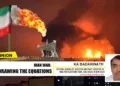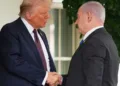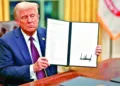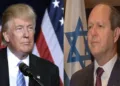

Now that the US-Israel versus Iran war has presumably ended after reaching a Memorandum of Understanding, between the US and Iran, it is time to analyse who gained what in this war. Though parties not involved in the war never welcome a conflict, but this time the US had received unprecedented opposition from the world. The US President Donald Trump launched an attack on Iran with great enthusiasm, declaring Iran as the biggest threat for peace in the world, an offensive in which Israel also joined. This is not the first time that the US had started hostilities involving distant geographies. Many times, the US emerged victorious, achieving its declared objectives, but at the same time, on many occasions, the US also had to withdraw without achieving its objectives and faced criticism. The recent the US withdrawal from Afghanistan comes under that category.
In this war that began on February 28, 2026, Iran lost its Supreme Leader early on and suffered massive casualties and material damage; However, Iran refused to concede defeat, and also put up a fierce fight against the US and Israel. Although there was hardly any global support for this war, but as it proceeded, the US started losing support, including its conventional supporters from Europe. Many European countries had openly raised their voice against the war. Though governments of many more countries were restraining themselves from talking about US hostilities against Iran, people and media, including from Bharat, had been raising their voice against this ‘unjust’ war. Many Gulf countries who have been subject to collateral damage, were the most worried ones. The global scenario of conflicts, uncertainties, disturbed transits and movement of global value chains, inflation etc, was also affecting Trump’s domestic constituency, forcing him to reconsider about continuing war.
The US rationale for attacking Iran was that the country was moving towards acquiring nuclear weapons and had to be stopped. Efforts to prevent Iran from acquiring nuclear weapons had previously led to the 2015 Joint Comprehensive Plan of Action (JCPOA) with six other nations — an agreement subsequently endorsed by a UN resolution — following which the UN, the US, and Europe had lifted nuclear-related sanctions on Iran. However, in 2018, the US withdrew from the agreement and reimposed sanctions on Iran. Later, as Iran’s nuclear programme advanced, the UN also imposed sanctions on the country in 2025.
Why Peace Became Inevitable
The US attack on Iran was intended to weaken the nation and halt its nuclear programme. However, instead of backing down, Iran began targetting Gulf nations that were US allies and recipients of American security guarantees. Countries that had never faced such a situation were now suffering collateral damage simply because of their friendship with the US. Simultaneously, Iran blocked maritime traffic in the Strait of Hormuz — a region within an area under its influence — precipitating an oil crisis for several nations, including Bharat. Consequently, the US faced mounting pressure to withdraw from the conflict to prevent further damage to its global image.
Secondly, keeping the Strait of Hormuz open became essential to save the global economy, as its closure threatened to trigger worldwide inflation — a situation that was significantly impacting the United States as well. Consequently, ensuring that the Strait remained open became a primary objective of the peace talks.
Also, Donald Trump was facing intense opposition within the US. Many Americans believed that by initiating an unnecessary conflict with Iran, he had not only jeopardised the American economy but also caused financial hardship for ordinary citizens due to soaring oil prices. With mid term elections scheduled for November, Trump’s declining popularity could influence the results. It is worth noting that all 435 seats in the US House of Representatives and 35 of the 100 Senate seats are at stake; the elections for governors in numerous States could also be affected. Overall, these elections are being viewed as a referendum on Donald Trump’s presidency. Therefore, it was crucial for him to prevent the political climate from deteriorating ahead of the mid terms.
Most importantly, the US realised that Iran was not only unwilling to concede defeat but was also actively trying to tarnish America’s image. Halting the conflict was, therefore, necessary to create an environment conducive to a nuclear agreement with Iran.
Terms Of Agreement
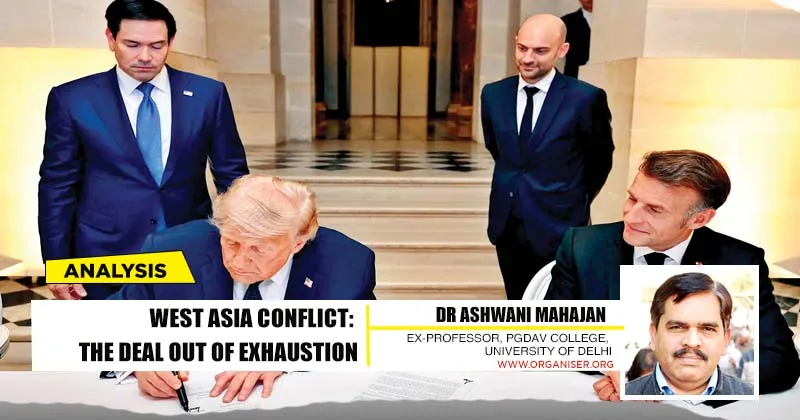
Notably, Donald Trump appeared keen to establish himself as a peacemaker, aiming to project an image of someone who prefers establishing peace through dialogue rather than war. However, Trump’s eagerness to reach an agreement at any cost had become glaringly apparent, placing Iran in a position to dictate terms. Iran succeeded in getting its conditions accepted within a peace agreement with a superpower like the United States. The United States and Iran have agreed to a 14-point agreement (Memorandum of Understanding) to end the conflict and establish long-term peace.
Key points of the US Iran deal
- The US and Iran and their allies “declare the immediate and permanent termination of military operations on all fronts, including in Lebanon.”
- The US and Iran “undertake to respect each other’s sovereignty and territorial integrity.”
- The US and Iran “commit to negotiating and achieving the final deal in maximum 60 days extendable with mutual consent.”
- Immediately upon signing, the US will begin removing its naval blockade in the Strait of Hormuz and will fully end it in 30 days. Vessel traffic will be in proportion with pre-war traffic numbers.
- Iran will make arrangements for safe passage of commercial vessels with no charge for 60 days.
- The US and partners will undertake to develop a plan of at least $300 billion for the reconstruction and development of Iran.
- US undertakes to terminate all types of sanctions against Iran.
- Iran reaffirms that it shall not procure or develop nuclear weapons. Iran is to down-blend its highly enriched uranium under the supervision of the International Atomic Energy Agency.
- Pending the final deal, the US and Iran will maintain the current status quo of its nuclear program and the US will not impose new sanctions or deploy additional forces.
- US Department of Treasury will issue waivers for the export of Iranian crude oil, petroleum products, and derivatives, and all associated services etc.
- The US undertakes to make fully available for use the frozen or restricted funds and assets of Iran.
- The US and Iran will agree that an executive mechanism will be established to monitor the successful implementation of this MOU and future compliance of the final deal.
Under this agreement, both nations have reached a consensus on issues such as a ceasefire, respect for sovereignty, the reopening of the Strait of Hormuz, and the assurance of safe commercial shipping. A key provision of the agreement, is that the US commits to provide approximately USD 300 billion for post-war reconstruction and recovery in Iran (which the US says will come from private sector and not the US treasury), as well as gradually lifting sanctions. In return, Iran has pledged not to develop nuclear weapons and to place its enriched Uranium under international supervision. Both countries have agreed to work towards a comprehensive agreement within 60 days.
Lessons From The Conflict
The terms of the agreement indicate that Donald Trump had to make significant concessions to secure this deal. This strategic weakness on the part of President Trump received considerable attention on social media. Perhaps in the history of the US, no President has faced a backlash to the extent of what Donald Trump has been facing in the last nearly four months.
Hope good sense will prevail and peace returns to the region, and all the countries work together to make the world a better place to live in, solving the real problems faced by humanity, including underdevelopment, poverty, hunger, environmental degradation and global warming, rather than indulging in wars driven by ego, both personal and national, trying to subjugate other countries both militarily and economically. Ultimately, after a fierce war lasting three and a half months, the parties arrived at an agreement founded on respect for sovereignty of nations. Why could this understanding not have been reached without war?