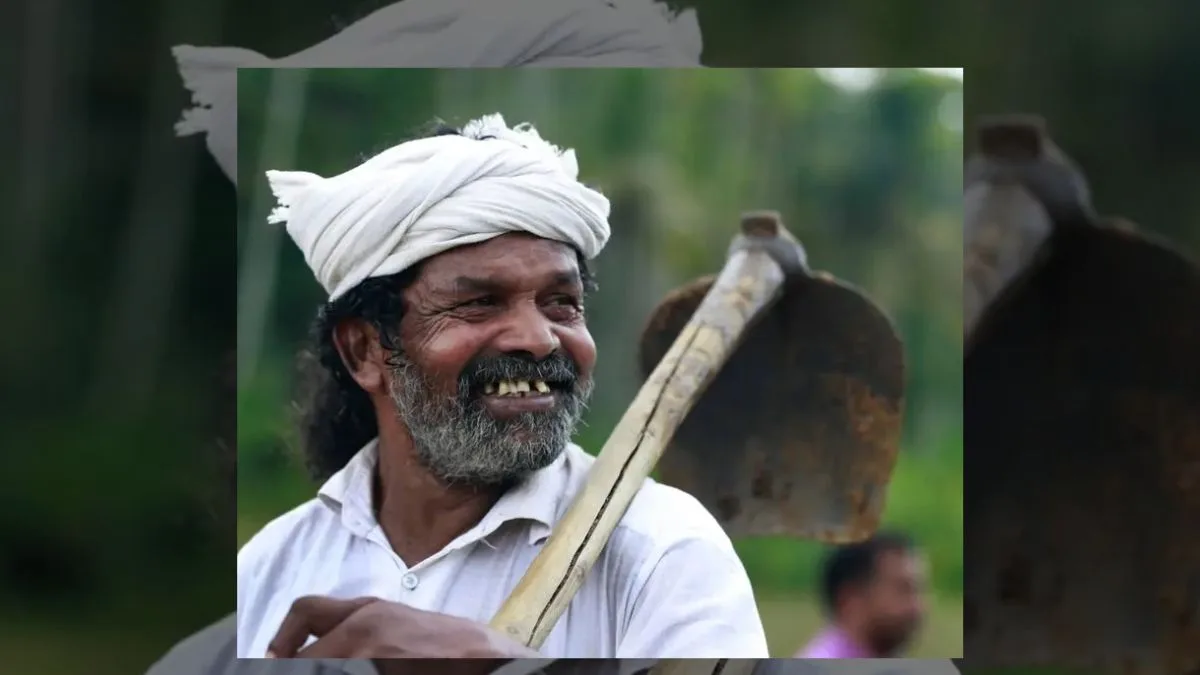
Padma Shri Cheruvayal Raman
Cheruvayal Raman, popularly known as the ‘Paddy Man of Wayanad’, has passed away, marking a loss to India’s agricultural heritage and the conservation of traditional rice varieties. 74-year-old was undergoing treatment for age-related ailments at Kozhikode Medical College Hospital. A native of Kammana in Edavaka, Wayanad, he was widely known as ‘Nellachan’ (father of paddy) for dedicating his life to preserving indigenous paddy varieties.
A passionate advocate of natural farming, Raman dedicated his life to preserving indigenous paddy varieties, protecting rice genetic diversity and promoting sustainable agricultural practices. He conserved 63 traditional varieties of paddy seeds, safeguarding a valuable genetic resource for future generations. Raman preserved traditional rice seeds, including Kunnumkulamban, Peruvaka, Kuthicheera, Kunkumasali,Kunjunni, Onamottam, Onachanna, Vellimuthu, Kanakam, and Chembakam.
His contribution extended beyond seed conservation. Raman inspired farmers to embrace biodiversity, respect nature and preserve indigenous agricultural knowledge. At a time when traditional crop varieties face increasing threats, his work highlighted the importance of protecting agricultural biodiversity for food security and ecological sustainability.
Remembered as more than a farmer, Raman was a custodian of traditional agricultural knowledge whose work helped preserve an important part of India’s farming heritage. His commitment to natural farming and indigenous rice varieties will continue to inspire efforts to protect traditional crops and promote sustainable agriculture.
His legacy lives on through the seeds he preserved, the farming practices he championed and the generations he inspired. His life’s work serves as a reminder that conserving traditional crop varieties is essential to protecting agricultural biodiversity for the future.
Born in 1952 to Kelappan and Theyi of the Cheruvayal Kurichya ancestral lineage, Raman assumed responsibility for managing his family’s farmland, livestock and traditional seed varieties at the age of 17, following his uncle’s death. Although he could not pursue higher education, he acquired extensive agricultural knowledge through years of hands-on experience and traditional farming practices.
He freely distributed paddy seeds to anyone who sought them, never charging for them. During his lifetime, Raman represented Keralam’s agricultural community at international forums, including the International Conference on Biodiversity Conservation in Hyderabad in 2011 and a global agricultural seminar in Brazil. He participated in international conventions across 11 countries, sharing his knowledge and experience in traditional farming and agrobiodiversity.
His contributions to the conservation of plant genetic resources earned him several honours, including the Plant Genome Saviour Award from the Union Ministry of Agriculture. In 2023, he was conferred the Padma Shri, one of India’s highest civilian awards. He also received the state government’s first Oommen Chandy Memorial Award in 2025 in recognition of his outstanding contributions to agriculture.
Prof. Richard Hay, former MP and former member of the Parliamentary Standing Committee on Agriculture, paid tribute to Cheruvayal Raman, expressing condolences over the loss of a dedicated guardian of India’s agricultural heritage. He said Raman’s legacy would endure through the traditional seeds he preserved, the fields he nurtured and the generations of farmers he inspired through his lifelong commitment to biodiversity and sustainable agriculture.
