In two detailed judgments arising from the 2022 murder of S.K. Sreenivasan in Palakkad, the Kerala High Court has refused bail to three accused allegedly associated with the Popular Front of India (PFI), an extremist Islamic organisation holding that the material on record disclosed a prima facie case attracting the stringent bail restriction under Section 43-D(5) of the Unlawful Activities (Prevention) Act.
A Division Bench of Justices Anil K. Narendran and Muralee Krishna S. dismissed the bail appeal of Ashraf alias Ashraf Moulavi on August 21, followed by the appeals of Abdul Kader and Firoz on August 31.
The judgments record the prosecution case that PFI had constituted three wings: the “Reporter Wing”, “Physical and Arms Training Wing” and “Service Wing/Hit Teams”. The Reporter Wing allegedly collected personal information and monitored the daily movements of prominent persons, particularly leaders belonging to the Hindu community. The information was allegedly passed to assault teams for targeting individuals selected by the organisation.
According to the case recorded by the Court, several Hindu leaders were subjected to reconnaissance before Sreenivasan was selected and hacked to death at his shop on April 16, 2022. The prosecution alleges that the killing was not motivated by personal enmity but formed part of a larger conspiracy intended to create terror among members of the Hindu community and the public.
In Ashraf Moulavi’s case, the Court noted that an earlier Division Bench had already found reasonable grounds to believe that the accusations against him were prima facie true. Material relied upon by the investigating agency included data recovered from a pen drive containing a list of leaders of the RSS and other Hindu organisations, along with handwritten notes concerning the storage of knives, swords, iron bars and bombs. His mobile phone was also stated to contain WhatsApp communications with accused persons in multiple murder cases.
The Supreme Court had in July 2025 declined to interfere with the rejection of Ashraf’s bail, noting allegations that he was a national-level PFI leader involved in hate speeches and propagation of ISIS ideology.
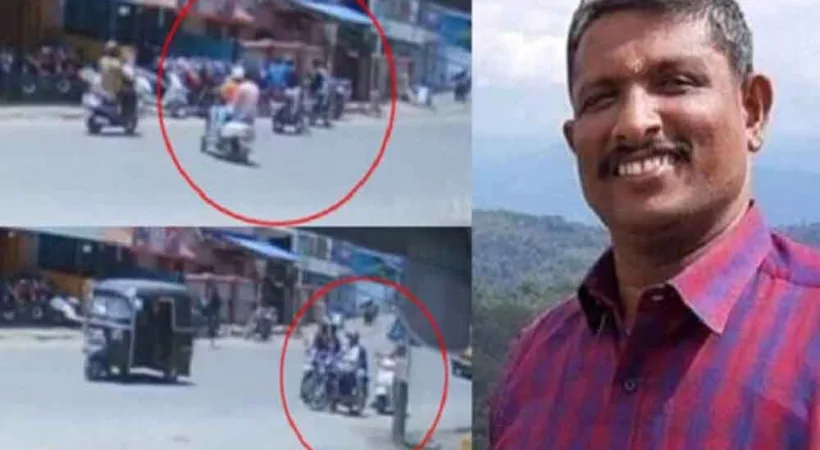
In the subsequent judgment concerning Abdul Kader and Firoz, the High Court noted prima facie material alleging that both were active PFI cadres who underwent arms training at Falah Masjid in Palakkad and participated in conspiracy meetings preceding the murder. The Court referred to CCTV footage, witness statements and other material allegedly showing their movement from the place of conspiracy towards the scene of crime.
The Bench also rejected their claim for parity with co-accused who had obtained bail, observing that parity cannot be applied mechanically and that the specific role attributed to each accused remains crucial.
Importantly, the Court considered the constitutional argument of prolonged incarceration rather than treating the UAPA embargo as absolute. However, Ashraf’s custody of nearly four years and Abdul Kader and Firoz’s custody of about four years and four months were held not to constitute a substantial portion of the possible sentence, since the alleged offences include murder and terrorist acts punishable with life imprisonment or death.
Noting that two exclusive NIA Special Courts have now been sanctioned in Ernakulam, the Bench expected the trial to proceed speedily and dismissed all three bail pleas.