
The brutal murder of Kerala medical student Savaria Besenth in Uzbekistan has triggered a political controversy in the state after no leader from the ruling Congress-led United Democratic Front (UDF) or the opposition CPM-led Left Democratic Front (LDF) was present to receive her mortal remains at the airport. The incident has also fuelled a debate on social media over as selective political and public responses based on the religious identities of the victim and the accused.
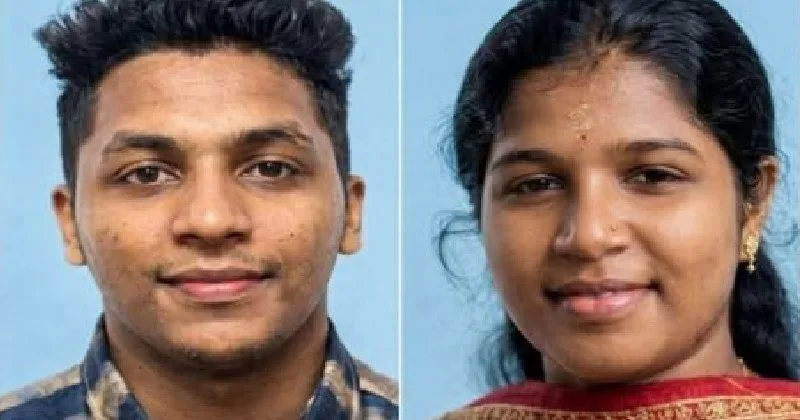
Savaria, a native of Haripad Assembly constituency represented by Keralam Home Minister Ramesh Chennithala, was allegedly murdered by her classmate, Sadarul Anam, a native of Perinthalmanna in Malappuram district, after she refused to embrace Islam.
According to accounts shared on social media, she was repeatedly assaulted with a laptop, resulting in her death.
The 21-year-old third-year MBBS student was allegedly tortured and murdered at Bukhara State Medical Institute in early July 2026, leading to the immediate arrest of Sadarul Anam by Uzbek authorities.
Following coordination by the Indian Embassy, her mortal remains were repatriated to Keralam between July 7 and July 8, 2026. A second post-mortem was conducted at Alappuzha Medical College Hospital before her final rites were performed on July 9.
The case took a new turn on July 10, when the Harippad Police registered a murder case under the Bharatiya Nyaya Sanhita (BNS) following a complaint lodged by Savaria’s father, who alleged that his daughter had been subjected to attempts at forced religious conversion before her murder. The National Commission for Women (NCW) subsequently took suo motu cognisance of the incident on July 12.
Even as the case gathered national attention, the absence of political representatives, including the Keralam Home Minister and elected representatives from Savaria’s own constituency, drew criticism online.
Several users questioned why neither ministers nor leaders from the ruling UDF or the opposition LDF were present to pay their last respects when her body arrived in Kerala.
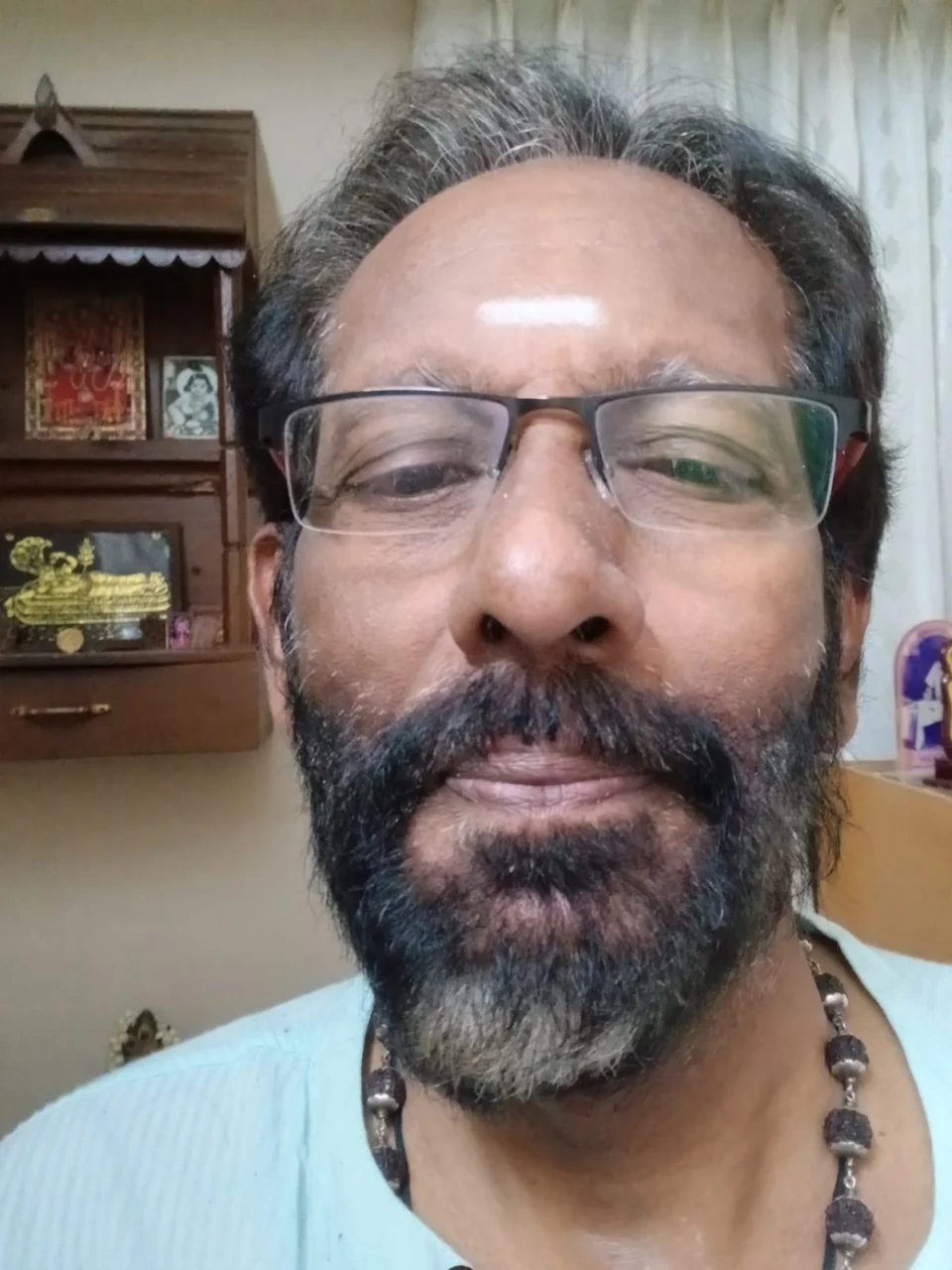
One social media post by a user identified as Naran, which has been widely circulated, questioned whether any minister or even a panchayat representative from any of the “secular” parties had gone to the airport to receive Savaria’s body. The post argued that the response would have been different had the religious identities of the victim and the accused been reversed.
The post also referred to the death of Soumya, a nurse from Idukki who was killed in a Hamas missile attack in Israel in May 2021. It claimed that both the then Chief Minister Pinarayi Vijayan and the then Leader of the Opposition had initially expressed condolences on social media but later edited their posts following protests from Muslim organisations. It further alleged that no government representative was deputed to receive Soumya’s mortal remains when they arrived in Kerala.
Drawing a comparison with the present case, the post claimed that if the victim and the accused had belonged to different religious communities in reverse, Kerala would have witnessed widespread protests, candlelight marches, financial assistance to the bereaved family, poems by writers and statements from cultural figures. It alleged that public reactions in such cases are often influenced by the religion of the victim and the accused.
The incident has intensified discussions on social media over allegations of minority appeasement and selective responses by political parties and sections of civil society. Critics have argued that the silence of the mainstream political leadership in the Savaria Besenth case reflects what they describe as a pattern of differential treatment in cases involving victims and accused from different religious backgrounds.