
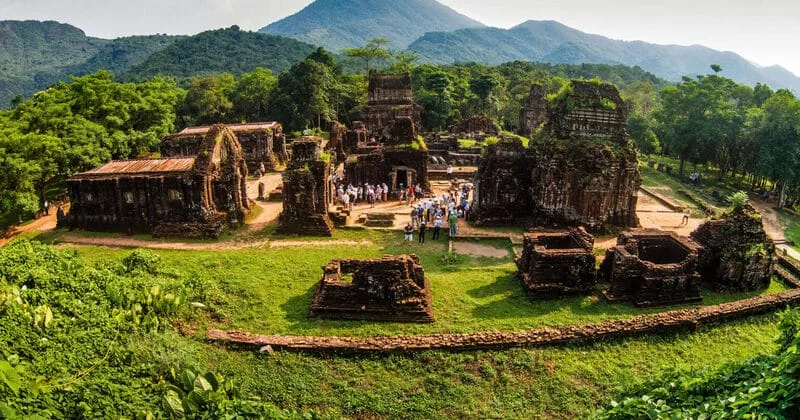
Over the past decade, India has increasingly used its shared civilisational heritage as an important pillar of its foreign policy. Alongside defence cooperation, trade, connectivity and strategic partnerships, New Delhi has invested in the restoration and preservation of ancient Hindu and Buddhist heritage sites across Asia. Many of these projects, undertaken during Prime Minister Narendra Modi’s tenure, have focused on Mandirs that reflect centuries-old cultural links between India and neighbouring and Southeast Asian nations.
It's pretty incredible that hardly anyone talks about the Modi Government's efforts to revive Hindu Temples across Asia.
When you look at the efforts undertaken by the Modi Government, it's incredible that previous administrations did not undertake such attempts.
I will list… pic.twitter.com/FFFA61yMJ7
— Sensei Kraken Zero (@YearOfTheKraken) July 7, 2026
From Vietnam’s ancient Champa Mandirs to Cambodia’s Angkor complex, from Sri Lanka to Bangladesh and Bahrain, these restoration initiatives have sought to preserve monuments of immense historical, religious and archaeological significance. While several conservation programmes began through long-standing cultural agreements, many have gained renewed momentum, financial support and diplomatic visibility under the Modi government.
Heritage Diplomacy as Foreign Policy
The Modi government has consistently emphasised India’s civilisational identity in its diplomatic outreach. Rather than limiting foreign relations to economics and security, New Delhi has highlighted shared historical and cultural traditions that connect India with countries across Asia.
Mandir restoration projects serve multiple objectives:
* Preserving endangered heritage sites.
* Strengthening cultural diplomacy.
* Deepening bilateral relations.
* Supporting local communities that continue to worship at these Mandirs.
* Reinforcing India’s image as a responsible custodian of shared Asian heritage.
Many of these initiatives are carried out by the Archaeological Survey of India (ASI), often in collaboration with local governments, UNESCO and conservation experts.
My Son Sanctuary, Vietnam
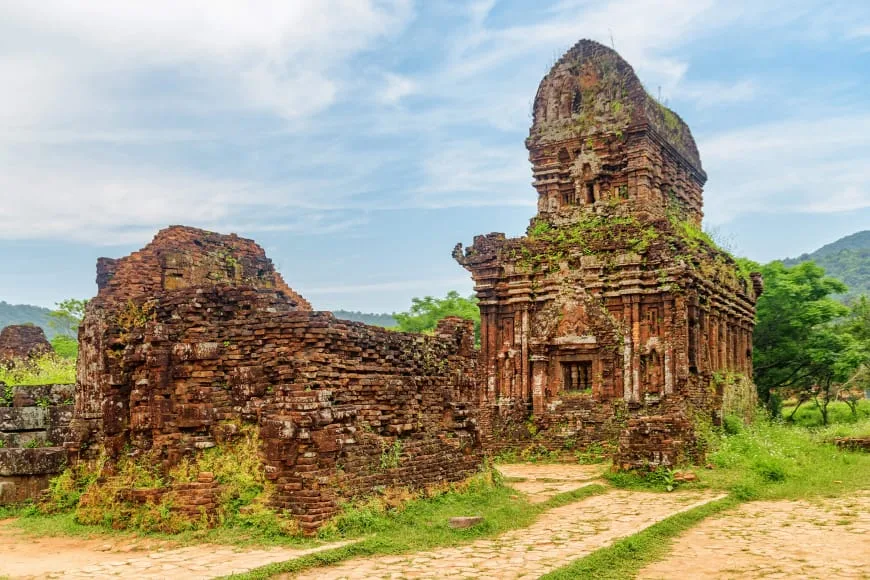
One of India’s most significant overseas conservation projects has been the restoration of the My Son Sanctuary in Vietnam’s Quang Nam Province.
Dating from the 4th to the 13th centuries, My Son served as the spiritual and political centre of the Champa Kingdom. The Mandir complex was dedicated primarily to Bhagwan Shiva and represented one of the most important Shaivite centres in Southeast Asia. Years of conflict, including the Vietnam War, caused extensive damage to many of the brick Mandirs.
Under an India-Vietnam agreement, the Archaeological Survey of India (ASI) undertook scientific conservation work at the My Son Sanctuary by deploying archaeological experts and conservation engineers, while also providing specialised equipment, materials and traditional restoration techniques. The project focused on preserving the structural integrity and historical authenticity of the ancient temple complex.
The project restored several temple structures while preserving their original architectural character. It also symbolised the deep historical links between ancient India and the Champa civilisation, whose rulers adopted Sanskrit, Hindu philosophy and Indian temple architecture.
Ramna Kali Mandir, Bangladesh
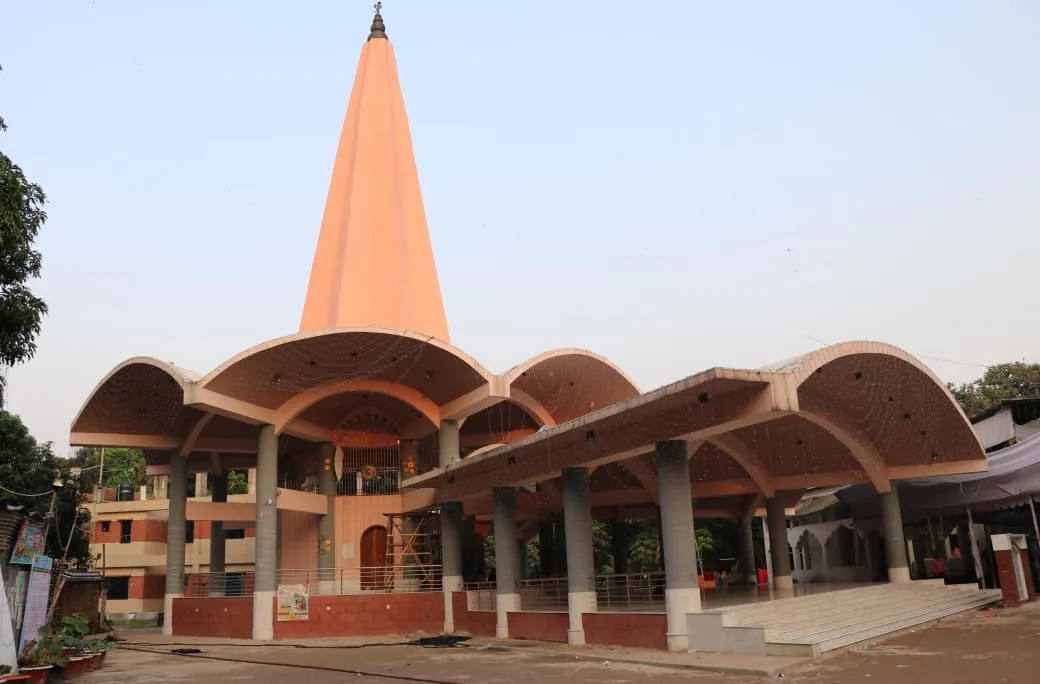
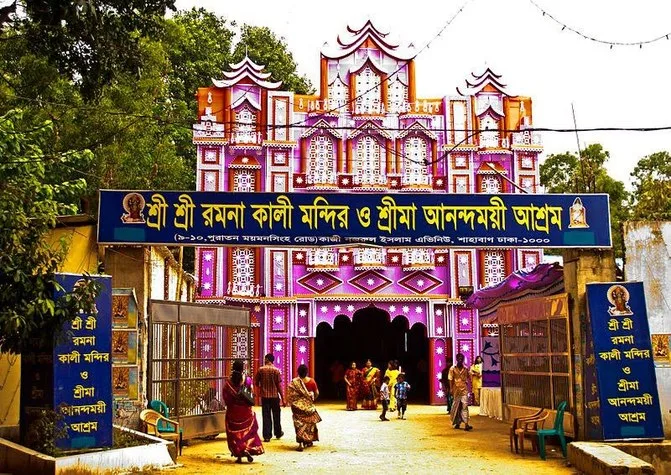
Among the most emotionally significant restoration projects has been the reconstruction of the Ramna Kali Mandir in Dhaka. The historic Mandir was destroyed during Operation Searchlight in 1971 when the Pakistani military launched a brutal crackdown in East Pakistan. Along with the destruction of the Mandir, hundreds of devotees and civilians lost their lives.
Recognising its historical and religious importance, the Government of India supported the reconstruction of the Mandir. The rebuilt temple was inaugurated during the visit of President Ram Nath Kovind to Bangladesh, symbolising not only religious restoration but also the shared memories of the 1971 Liberation War and India’s enduring partnership with Bangladesh. The project demonstrated India’s commitment to preserving heritage that had been lost during one of South Asia’s darkest chapters.
Joy Kali Mata Mandir, Bangladesh
India also funded the reconstruction of the nearly 300-year-old Joy Kali Mata Mandir. Originally constructed in the eighteenth century by Dayaram Roy, an influential Dewan under Queen Bhabani of Natore and founder of the Dighapatia Royal Family, the Mandir remains an important religious landmark.
Following years of deterioration, India provided financial assistance for its reconstruction, and the restored temple was inaugurated in 2020. The project reflected India’s broader effort to preserve historic Hindu places of worship in Bangladesh while supporting cultural ties between the two countries.
Angkor Wat and Other Mandir Complexes, Cambodia
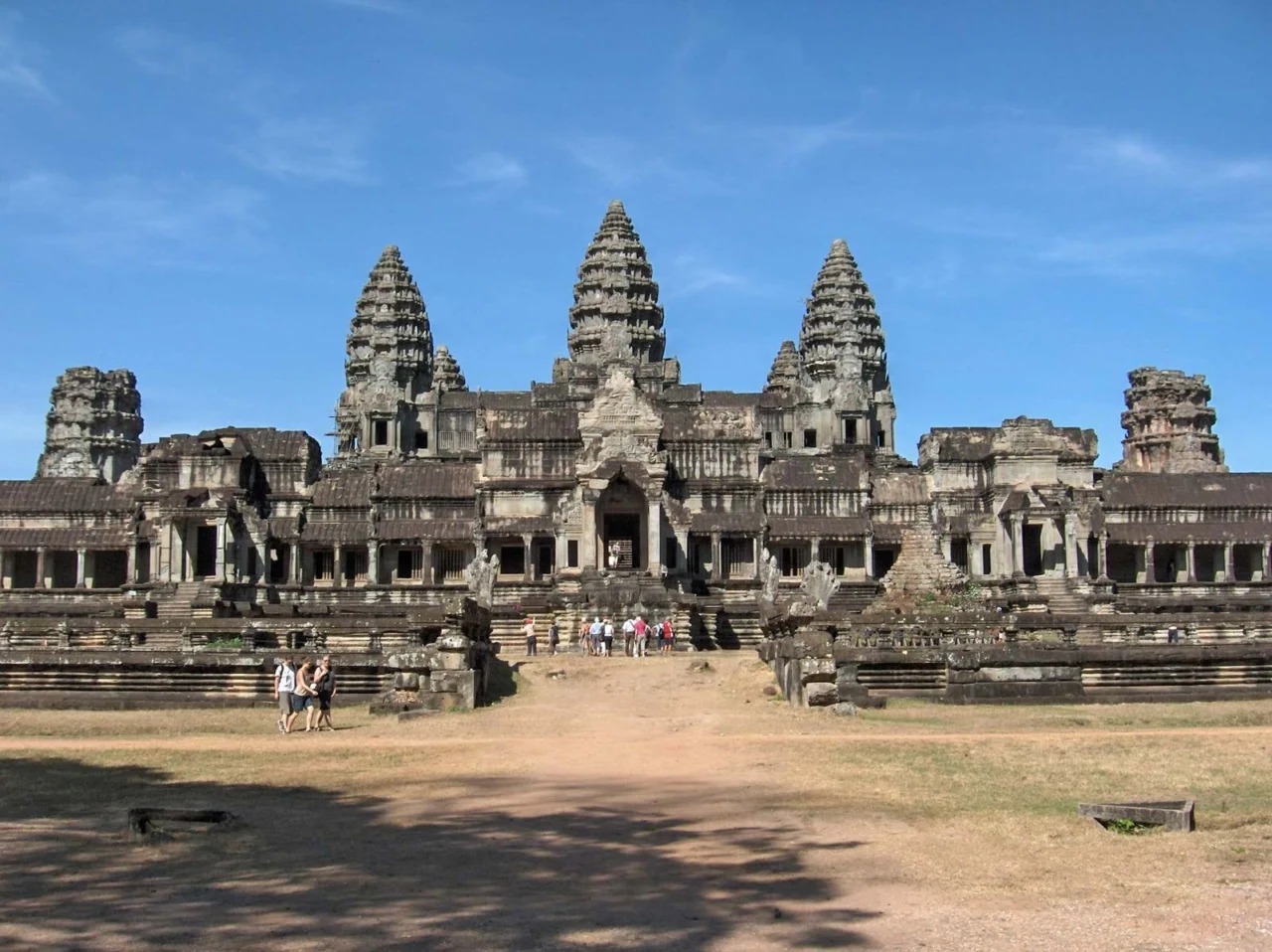
India has played a major role in conserving Cambodia’s magnificent Angkor monuments for decades, but cooperation has expanded significantly in recent years.
Through the Archaeological Survey of India, India has undertaken conservation and restoration work at several internationally renowned heritage sites in Cambodia, including Angkor Wat, Ta Prohm and Preah Vihear. The projects have focused on preserving the structural integrity, architectural grandeur and historical authenticity of these ancient temple complexes, reinforcing India’s longstanding commitment to safeguarding the region’s shared cultural and civilisational heritage.
Angkor Wat, originally built as a temple dedicated to Bhagwan Vishnu before later becoming a Buddhist monument, remains the world’s largest religious structure.
Indian conservation teams have undertaken extensive work on structural stabilisation, stone conservation, archaeological documentation and the restoration of damaged sections across these historic Mandir complexes. Using scientific conservation methods and traditional restoration techniques, the teams have focused on preserving the monuments’ architectural integrity while maintaining their historical authenticity for future generations. The work reflects India’s longstanding archaeological expertise and reinforces centuries-old cultural exchanges between the Indian subcontinent and the Khmer Empire.
Vat Phou Mandir Complex, Laos
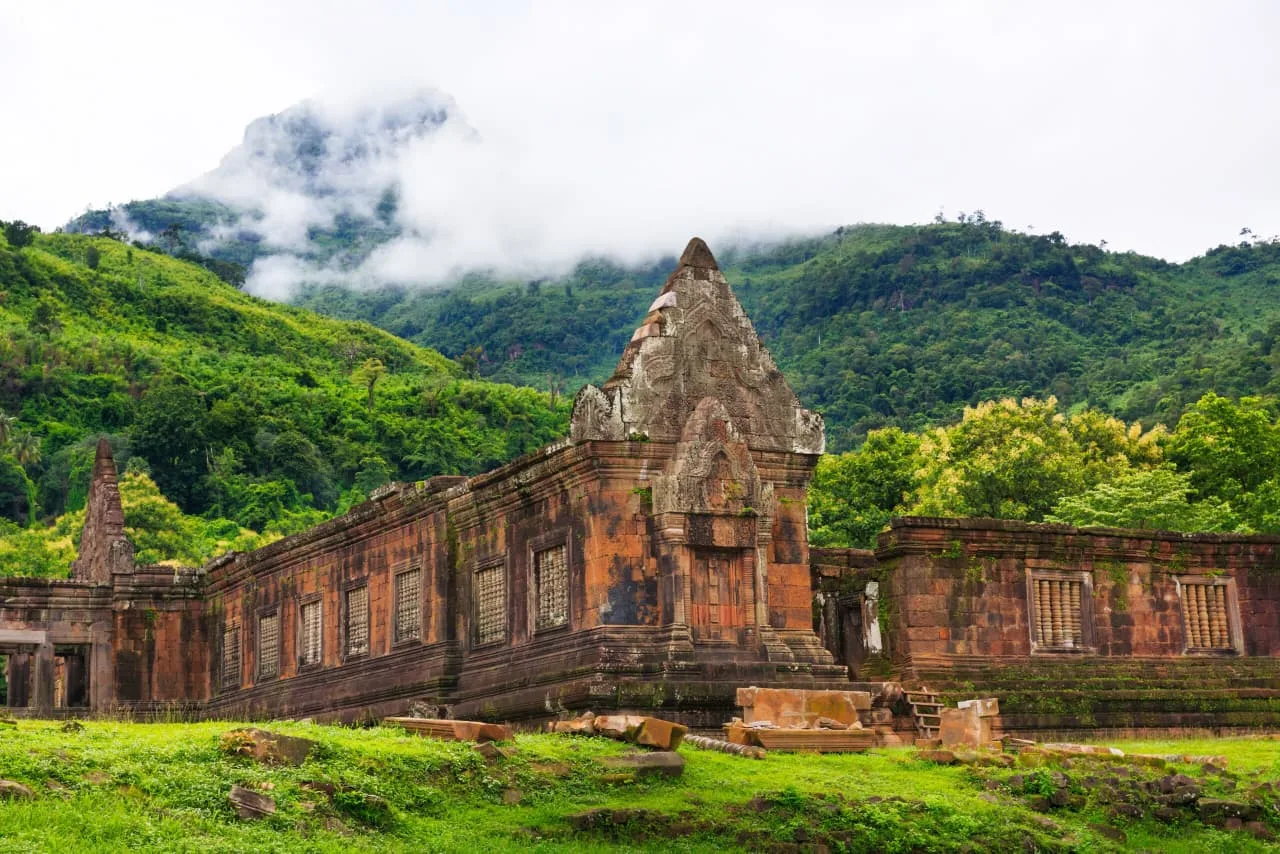
Located in southern Laos, the Vat Phou Mandir Complex is another UNESCO World Heritage Site where India has played a leading conservation role. The Mandir complex dates back more than one thousand years and was originally dedicated to Bhagwan Shiva.
The Archaeological Survey of India began conservation efforts under Phase I between 2007 and 2017. Following the successful completion of the first phase, Phase II commenced in 2018 to continue structural conservation, preservation of sculptures and archaeological documentation. Vat Phou stands as another example of how Indian religious and cultural influences spread across Southeast Asia during the early medieval period.
Shreenathji Mandir, Bahrain
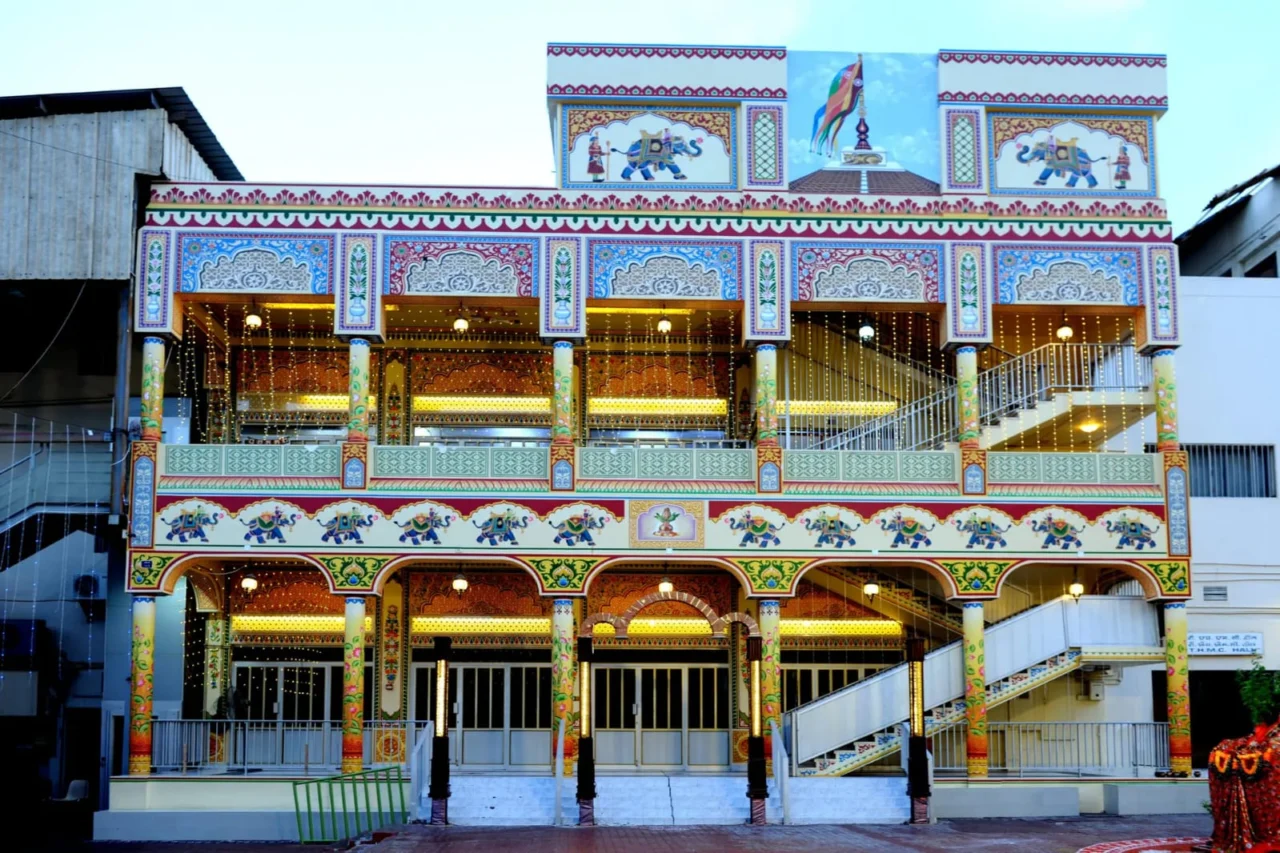
Unlike the archaeological projects in Southeast Asia, India’s support for the Shreenathji Mandir in Bahrain focuses on preserving a living place of worship. Located in Manama, the Mandir is over two centuries old and serves Bahrain’s Hindu community.
During his historic visit to Bahrain, the first by an Indian Prime Minister Narendra Modi announced a redevelopment project worth approximately US$4.2 million. The redevelopment project includes the renovation of the Mandir’s existing structures, expansion of community facilities, creation of modern infrastructure and careful preservation of its historic architectural character. Beyond restoring a place of worship, the initiative reflects India’s commitment to supporting the Indian diaspora while acknowledging Bahrain’s long-standing tradition of religious tolerance and peaceful coexistence.
Thiruketheeswaram Mandir, Sri Lanka
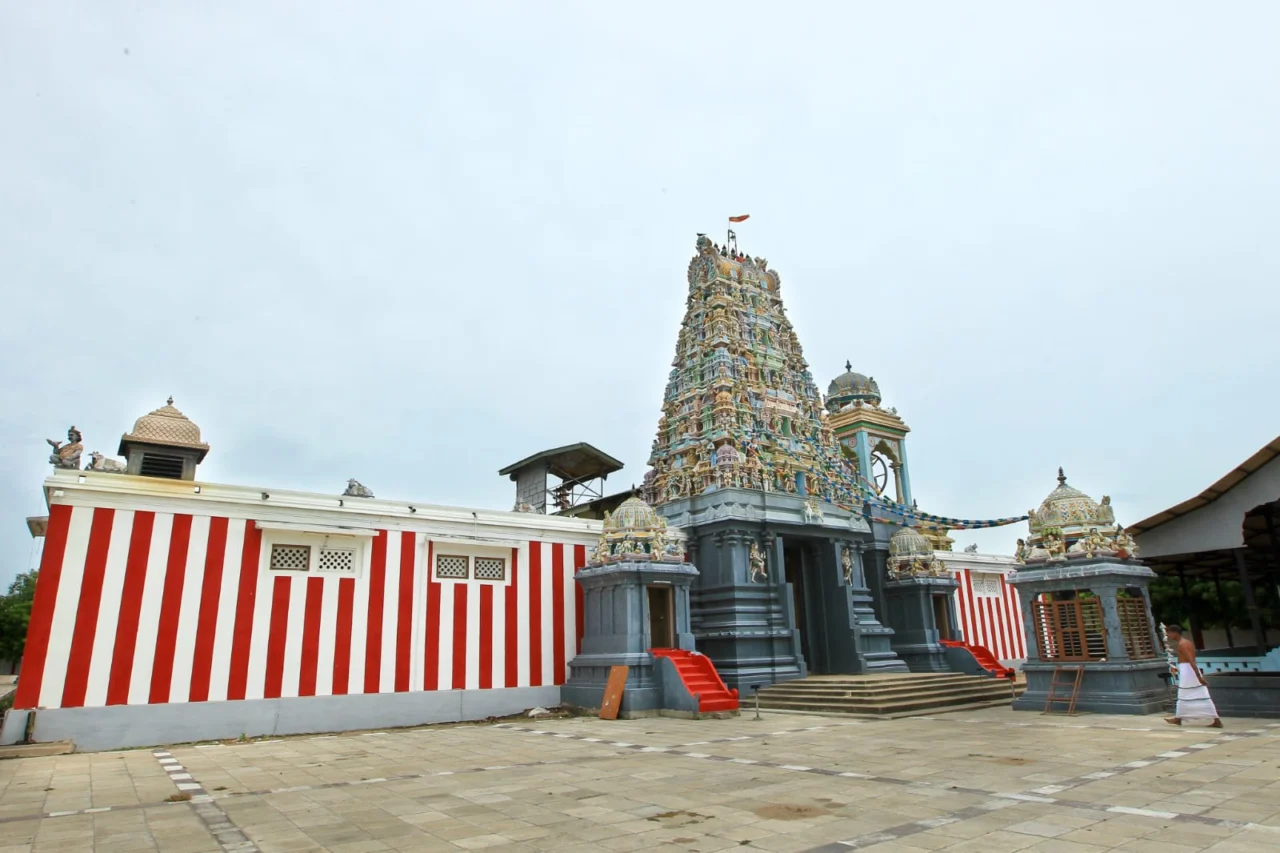
The Thiruketheeswaram Mandir near Mannar is regarded as one of the Pancha Ishwarams—the five ancient Shiva Mandirs of Sri Lanka. The Mandir has immense religious significance for Sri Lankan Hindus and occupies an important place in the island’s cultural history.
In 2015, India extended financial assistance amounting to approximately Sri Lankan Rupees 326 million for its restoration. The assistance supported conservation of the Mandir complex while strengthening India’s cultural partnership with Sri Lanka. The project also formed part of India’s broader post-war development assistance to Sri Lanka’s Northern Province.
India’s Expanding Cultural Footprint
These restoration projects illustrate an evolving dimension of India’s foreign policy that extends beyond conventional diplomacy. Ancient Mandirs across Asia are reminders of centuries of maritime trade, religious exchange and intellectual interaction between India and the wider Asian world. By helping preserve these monuments, India reinforces historical connections while contributing to the protection of globally significant cultural heritage.
Many of these projects are also aligned with UNESCO conservation principles and involve close cooperation with host governments, ensuring that restoration work respects local traditions, archaeological standards and national ownership.
The restoration of Mandirs in Vietnam, Bangladesh, Cambodia, Laos, Bahrain and Sri Lanka represents a significant aspect of India’s cultural diplomacy in recent years. Through financial assistance, archaeological expertise and bilateral cooperation, India has contributed to preserving monuments that are not only sacred to millions but also invaluable records of Asia’s shared civilisational history.
These initiatives underscore how heritage conservation can complement traditional diplomacy by fostering goodwill, strengthening people-to-people ties and highlighting the deep historical links that connect India with countries across the Indo-Pacific. Whether restoring ancient Shaivite Mandirs in Southeast Asia or rebuilding places of worship destroyed by conflict, these projects demonstrate the growing role of cultural heritage in India’s engagement with the region.