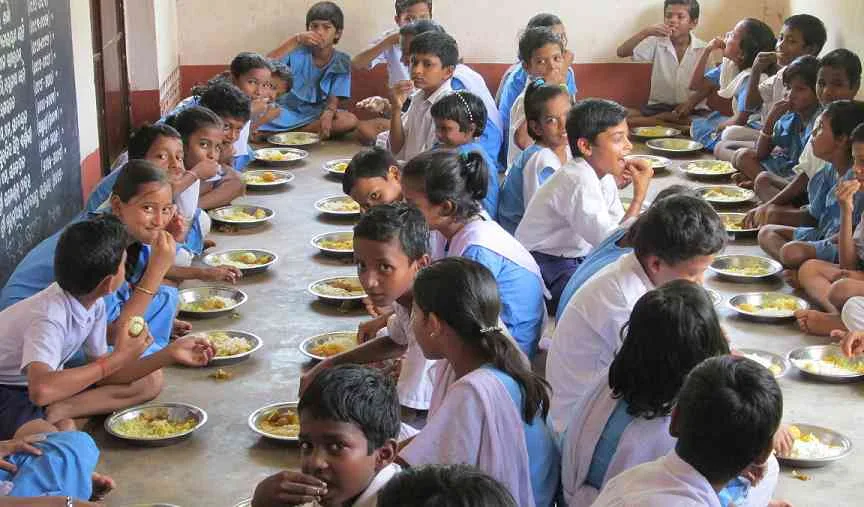
The West Bengal government’s decision to remove eggs from centrally prepared mid-day meals in schools under the Kolkata Municipal Corporation (KMC) area has triggered a political and nutritional debate, with questions being raised over the role of dietary preferences in publicly funded welfare programmes.
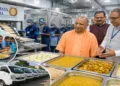
The controversy emerged after the state government entrusted the preparation of school meals in the KMC area to the International Society for Krishna Consciousness (ISKCON), which serves only vegetarian food. As a result, eggs will no longer be included in the centrally cooked meals and will instead be replaced with alternative protein sources such as paneer, soya chunks, rajma and pulses.
The development has reignited a long-running national discussion over whether eggs should form a mandatory component of school nutrition programmes, especially in states where child malnutrition remains a concern.
PM POSHAN Sets Nutrition Standards, States Decide Menus
India’s flagship school feeding programme, now known as PM POSHAN, establishes nutritional norms for meals served to students in government and government-aided schools. However, states retain the flexibility to design menus based on local dietary habits, food availability and administrative preferences.
As a result, school meal menus vary considerably across the country.
According to a recent report, the number of states serving eggs under the programme has declined from 16 in 2015-16 to 13 in 2025-26, reflecting differing approaches to nutrition and budgetary priorities.
States That Continue to Serve Eggs
Several states continue to provide eggs as part of their school meal programme, considering them an affordable and high-quality source of protein.
States currently serving eggs include: Tamil Nadu, Andhra Pradesh, Telangana, Odisha, Assam, Bihar, Tripura, Uttarakhand.
In these states, eggs are generally served alongside staple foods such as rice, dal, vegetables and other locally preferred items.
Tamil Nadu was among the first states in India to introduce eggs in school meals and is often cited as a model for child nutrition interventions.
Odisha has adopted a hybrid approach under which schools receive separate funding specifically for egg distribution while the primary meal may be prepared by vegetarian agencies. This model is now reportedly being examined by the West Bengal government as a possible compromise.
States That Primarily Serve Vegetarian Meals
Several states continue to rely exclusively or predominantly on vegetarian menus under the PM POSHAN programme.
These include: Gujarat, Uttar Pradesh, Madhya Pradesh, Rajasthan, Haryana, Chhattisgarh, Goa and Delhi.
Meals in these states generally consist of combinations of rice, roti, dal, vegetables and occasionally fortified food items designed to meet nutritional requirements.
Supporters of vegetarian menus argue that nutritional goals can be achieved through carefully designed plant-based meals, while critics maintain that eggs offer superior nutritional value at relatively low cost.
Maharashtra Withdraws Funding for Eggs
Maharashtra has taken a different route by withdrawing state funding support for eggs and sugar under the PM POSHAN programme, citing financial constraints.
While schools are not prohibited from serving eggs, institutions wishing to continue providing them must arrange funding through local donations, community contributions or other sources.
The decision has been viewed by some nutrition experts as a setback to efforts aimed at improving protein intake among schoolchildren.
The decision in West Bengal has quickly acquired political overtones.
Opposition leaders and several nutrition advocates have questioned whether the dietary practices of a religious organisation should influence the composition of meals provided under a government-funded programme.
Trinamool Congress Rajya Sabha MP Derek O’Brien publicly raised concerns over the move, asking whether religious dietary preferences should determine the menu of a nutrition programme intended for children from diverse backgrounds.
The issue has also generated wider discussions on social media and among education activists, many of whom argue that nutritional considerations should take precedence over ideological or religious preferences.
Nutritional Debate Over Eggs
Nutrition experts frequently highlight eggs as one of the most cost-effective sources of high-quality protein available for children.
According to the National Institute of Nutrition (NIN), eggs have a protein bioavailability of around 94 per cent. By comparison, Bengal gram offers approximately 76 per cent bioavailability, while soybean provides around 54 per cent.
In addition to protein, eggs contain essential amino acids, vitamins and micronutrients that contribute to children’s physical and cognitive development.
Those supporting the inclusion of eggs in school meals argue that they are particularly valuable in regions where children may not have regular access to protein-rich foods at home.
At the same time, advocates of vegetarian alternatives contend that a balanced combination of pulses, legumes, dairy products and soy-based foods can also meet nutritional requirements if implemented effectively.
Government Defends Decision
Defending the arrangement with ISKCON, senior state leaders have maintained that children will continue receiving nutritious meals despite the removal of eggs from centrally prepared menus.
Officials have stressed that protein-rich substitutes such as paneer, soya products, rajma and pulses will be included to ensure that nutritional standards are maintained.
The state government has also indicated that it may consider a mechanism similar to Odisha’s model, allowing schools to separately procure and distribute eggs while retaining vegetarian meal preparation through designated agencies.