
The French term ‘renaissance’ refers to ‘rebirth’. What happened in Europe amidst the 14th and the 17th centuries was a transformative cultural and intellectual movement. The said movement known as ‘renaissance’ bridged the Middle Ages and the modern era, marked by a revival of classical learning, the rise of humanism and spectacular advancements in art and science. The renaissance was the movement that represented a shift away from the strict religious focus of the Middle Ages. The philosophical movement emphasised the value and potential of human beings. The era catalysed a sweeping transformation across multiple disciplines while bringing major breakthroughs. Moreover, it celebrated individualism and encouraged the studies of philosophy, literature and science.
“We need technical education and all else which may develop industries, so that men, instead of seeking for service, may earn enough to provide for themselves, and save something against a rainy day.” — Swami Vivekananda
Likewise, Bharat was shown the enlightened way by none other than this ‘promised land’. It was Bengal to ignite the lamp of hope, intellect and wisdom, being the epitome of spirituality. Spanning from the late 18th to the early 20th century, a profound cultural, social, intellectual and spiritual movement in the Bengal region expressed its presence, thereby terminating the ominous darkness of Middle Ages. The movement is known as the ‘Bengal Renaissance’. The horrors of Islamic rule and the growing tyranny of the British colonial rule eventually sparked the Bharatiya cultural revivalist movement. It was a deliberate socio-cultural effort to reclaim, preserve and promote Bharatiya values, languages, art forms, Bharatiya philosophy and spiritual practices that got declined due to centuries-long colonisation. It has been the collision of British colonial rule and traditional Hindu intelligentsia, that ultimately laid down the groundwork for modern Bharatiya patriotism.
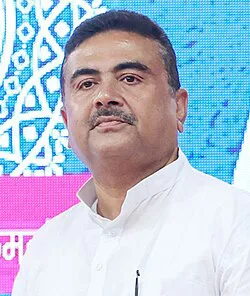
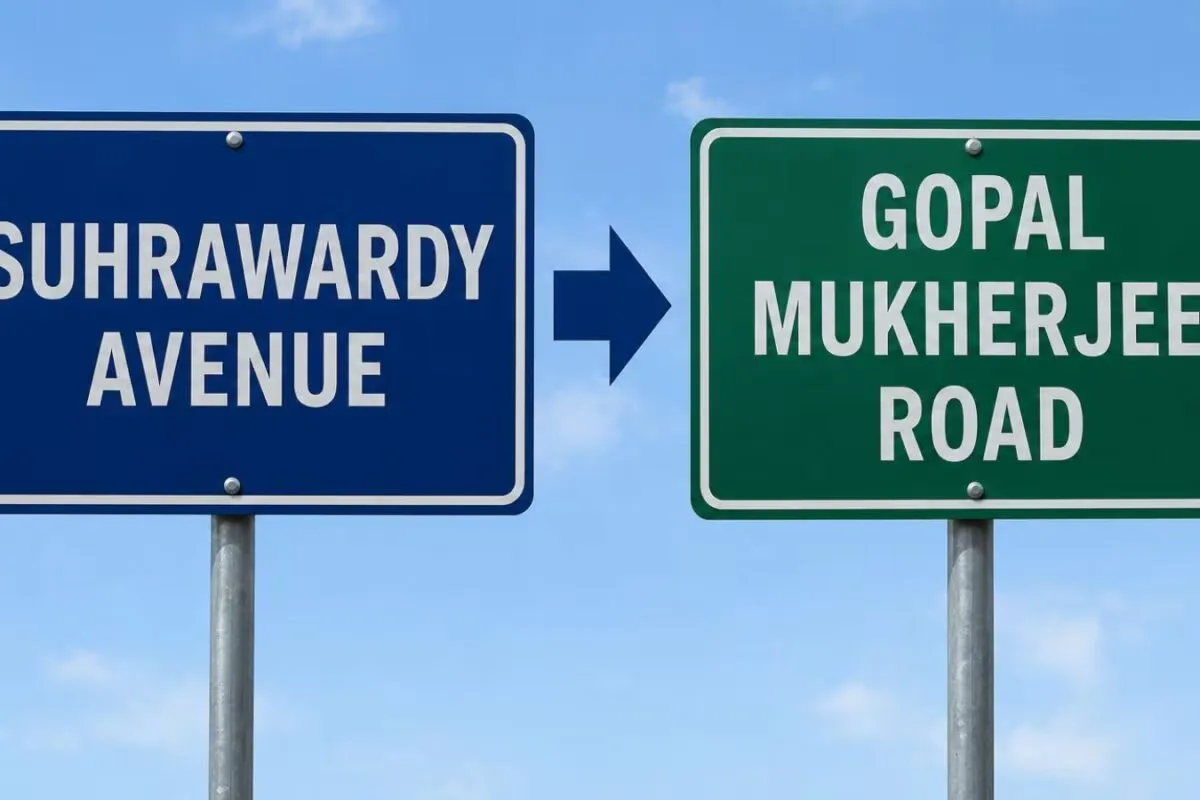
“I commend the historic decision taken by the Kolkata Municipal Corporation, yesterday, on the solemn occasion of Paschimbanga Divas, which would be instrumental in rectifying a historical wrong. Suhrawardy Avenue will now be renamed as Gopal Mukherjee Road. For decades, a major artery of our City bore the name of someone who wilfully misused state power as a weapon, orchestrating the massacre of innocent citizens for sheer political gain. By renaming it after Shri Gopal Mukherjee, the fearless soul who stepped up as a protector-in-chief to defend and save thousands of innocent lives, finally restoration of historical justice will be achieved by honouring a true guardian and savior. It’s time, West Bengal remembers, corrects and honours the Real Heroes”
— Suvendu Adhikari, Chief Minister, West Bengal
Centered primarily in the colonial metropolis of Kolkata (formerly Calcutta), this was the period of ‘rebirth of Bharat’ due to its revival of intellectual curiosity, scientific enquiry and philosophical expression. Contrary to European Renaissance, which looked to classical antiquity for inspiration, the Bengal Renaissance was largely a movement of re-discovery of Bharat. The era gave rise to numerous social reforms, educational advancements and a surge in modern Bengali literature. The intellectual awakening shifted the focus from religious dogmas to the socio-political realities of foreign subjugation, fostering the early seeds of the Indian Independence Movement. The movement produced a prolific generation of reformers, educators, spiritual persons, poets and scientists whose impact is still felt across the globe.
The Great Sons of Bengal
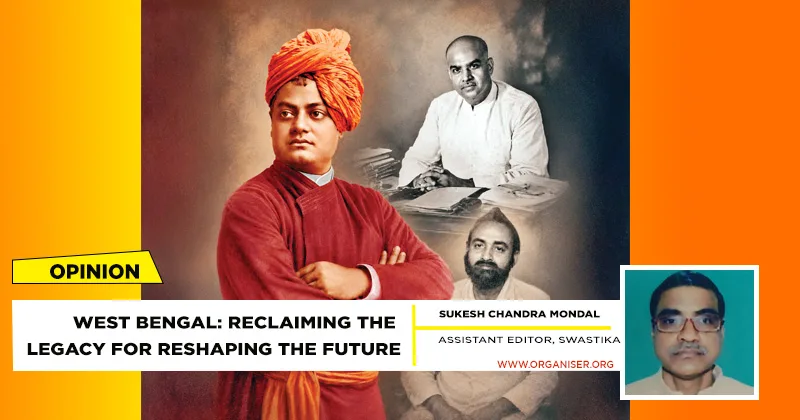
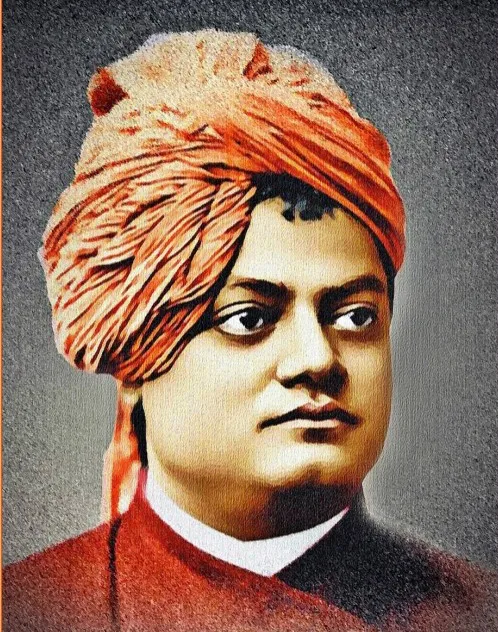
Swami Vivekananda (1863-1902) is the spiritual leader of Bharat who introduced Hindu philosophies to the West and galvanised Bharatiya national pride. It was Swamiji who laid down the principles of Hindutva while delineating the idea of the Hindu nation. Narendranath Datta of North Kolkata later turned Hindu monk, philosopher, spiritual teacher and the chief disciple of Sri Ramakrishna Paramahamsa. Swamiji was the major figure who pioneered the preaching of Hindu philosophies across the West. Swamiji was paramount in the introduction of Vedanta and Yoga to the Western world. He was a sannyasin (renunciate) by birth. His main contribution was raising the awareness about Hindu Dharma and elevating it to the status of the major world faith. Being one of the key pillars of Bengal Renaissance, he showed inclination and dedication towards Dharma and spirituality throughout his life. Swamiji is the eternal inspiration of every Bharatiya revolutionary.
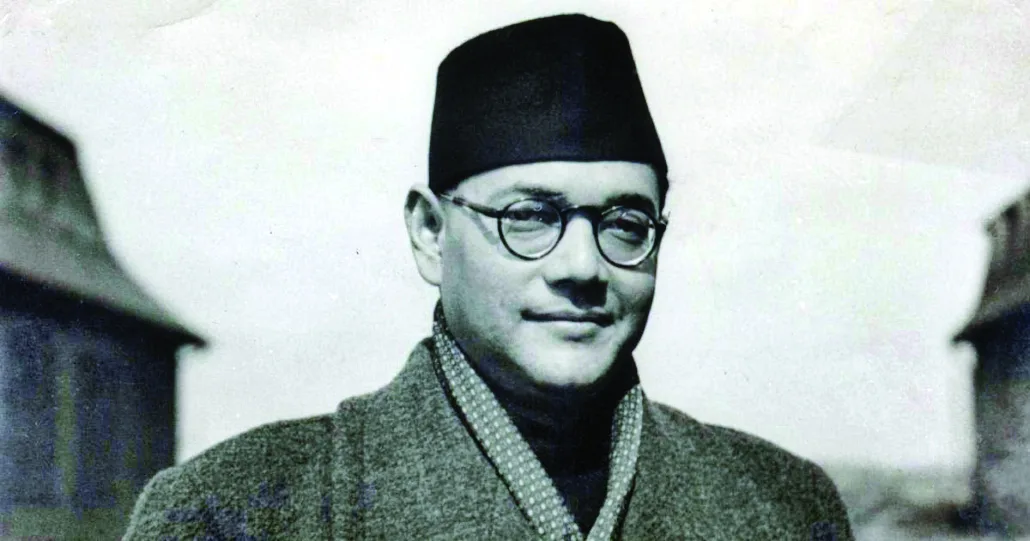
“The ideal Indian youth of character will be brave, selfless, and devoted to the cause of the country”
— Netaji Subhas Chandra Bose
Dr Syama Prasad Mookerjee was a barrister, educationist, politician, and has been one of the flagbearers of Bengali pride and Bharatiya patriotism. In 1934, at the age of 33, he became the youngest Vice Chancellor of the University of Calcutta, and held the office till 1938. During his term as Vice Chancellor, Gurudev Rabindranath Thakur delivered the University Convocation Address in Bengali for the first time, and the language was introduced as a subject for the highest examination. He was the 15th President of the Association of Indian Universities during 1941-42. He entered the Bengal Legislative Council in 1929 as an Indian National Congress candidate representing the University of Calcutta. The next year, when the INC decided to boycott the legislature, he resigned. Continuing his struggle, he contested the election as an independent candidate and was elected in the same year. In 1937, he was elected as an independent candidate in the Bengal Provincial Election.
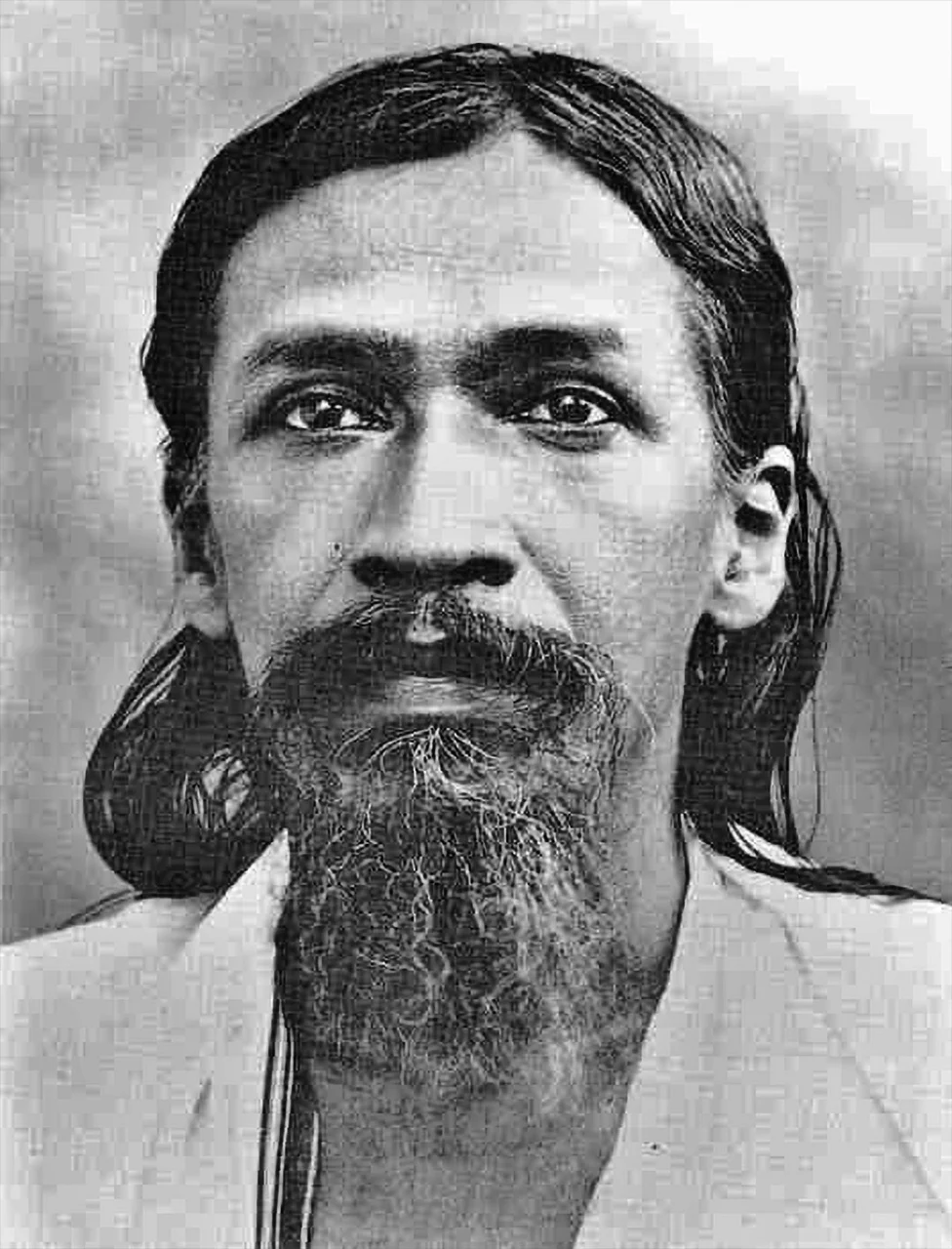
Witnessing precarious, deplorable and grave situation that the then Bengali Hindus were in, Dr Syama Prasad Mookerjee decided to join the Hindu Mahasabha in Bengal in 1939 and became its Acting President in the same year. He was appointed as the Working President of the organisation in 1940. He remained its President from 1943 to 1946. Around 1940, Dr Mookerjee met Swami Pranavananda Ji Maharaj, the founder of Bharat Sevashram Sangha, on multiple occasions. Swamiji recognised Mookerjee’s leadership potential for the Hindu community, and they discussed the strengthening of Hindu Bengalis. Dr Mookerjee served as the Finance Minister of Bengal Province in 1941-42. He was again elected in the Bengal Provincial Assembly as an independent candidate from the University of Calcutta in 1946, and was elected as a member of the Constituent Assembly of India in the same year.
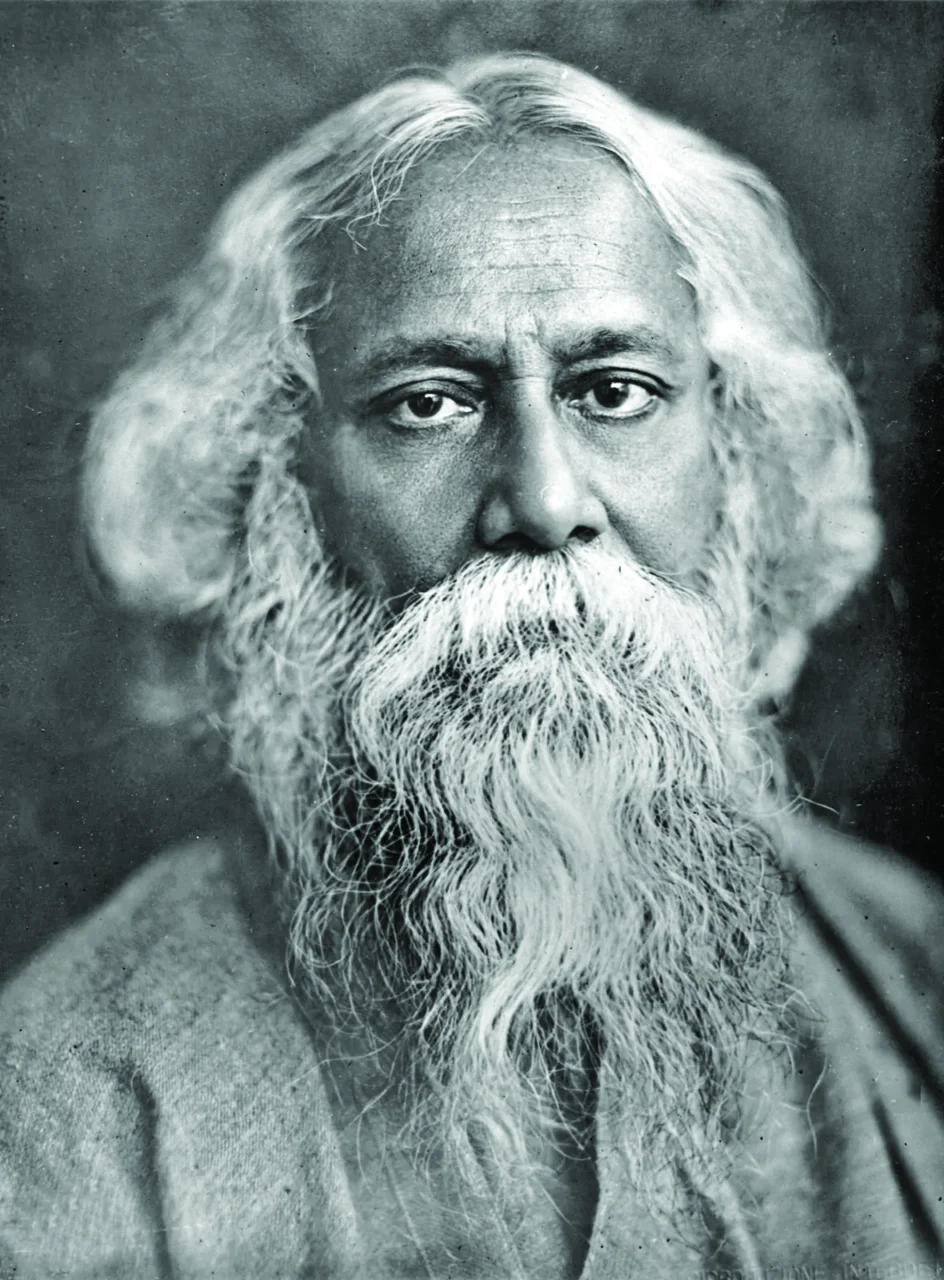
Dr Mookerjee demanded the partition of Bengal in 1946 to prevent the inclusion of its Hindu-majority areas in the proposed Muslim-dominated East Pakistan. A meeting held by the Mahasabha from April 4 to 7, 1947 in Tarakeswar authorised him to take steps towards ensuring the partition of Bengal. He repeatedly argued at every level that Bengal must be partitioned even if Bharat was not. He also opposed a failed bid for a United, Independent Bengal while launching the Bengali Hindu Homeland Movement. His views were affected by the Noakhali genocide and the Great Calcutta Killings. Finally on June 20, 1947, he succeeded to create a homeland also known as ‘West Bengal’ through a voting in Bengal Provincial Assembly. He later served as Bharat’s Minister for Industry and Supply from August 15, 1947 to April 6, 1950. With the help of Rashtriya Swayamsevak Sangh, he founded the Bharatiya Jana Sangh on October 21, 1951. Being a Member of Parliament, Lok Sabha, he opposed the special status of Jammu and Kashmir and was arrested upon entering Kashmir on May 11, 1953. The state government declared that he passed away on June 23. Despite his mother’s repeated appeals, no inquiry commission was set up to investigate his mysterious death.
These icons of Bengal have been made to forget since last 80 years, and their contribution carefully erased from the pages of Bharatiya history. Leftist ‘distorians’ manipulated facts and presented distorted version of Bharat’s freedom struggle time and again
Legacy of Bengal Renaissance would not have been transcended and assumed in independent Bharat, especially West Bengal, if revolutionary Gopal Chandra Mukherjee had not put forth firm and solemn resistance before the most violent, jihadi mob in Kolkata on August 16, 1946. On that day, Jihadis took to the streets of Kolkata which was followed by an abominable Hindu massacre. During that terrible moment, renowned revolutionary Anukul Chandra Mukherjee’s nephew Gopal Chandra Mukherjee appeared as the saviour of Hindus. He fought the mob fearlessly. Due to his relentless armed struggle, jihadis were forced to refrain from committing rape and murders. To combat butchers and mercenaries of Muslim League named Muslim National Guard, he mobilised a formidable troop named ‘Bharat Jatiya Bahini’. Even he protected Gandhiji from a violent agitation when Gandhiji was staying in Beleghata Ashram. Being an earnest disciple of Netaji Subhas Chandra, he established ‘Jatya Artatran Samity’, which observes Netaji’s Birth Anniversary since 1945.
A History Deliberately Forgotten
These icons of Bengal have been made to forget since last 80 years, and their contribution carefully erased from the pages of Bharatiya history. Leftist ‘distorians’ manipulated facts and presented distorted version of Bharat’s freedom struggle time and again. ‘June 20’ has never been observed as the ‘Paschimbanga Divas’. Cunning rulers and their paid distorians made attempts to erase the memories of the horrifying day so that history of partition of Bharat followed by massive bloodshed does not appear in public domain. They never wanted the history be discussed or propagated.
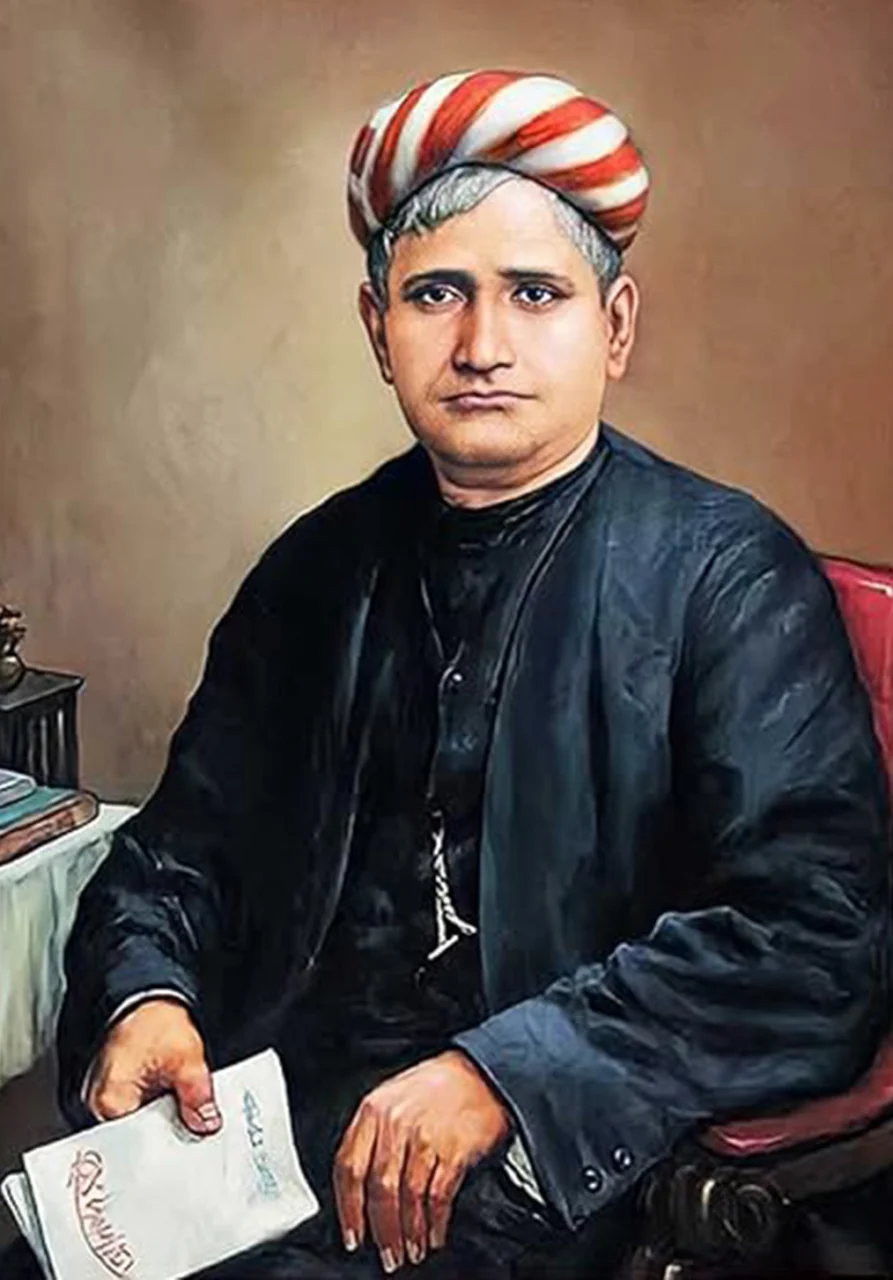
During post-Independence era, Indian National Congress adopted Nehruvian dogma which centered the thoughts of Western nationalism. Leftists followed the principles of fake internationalism and imposed most brutal from of authoritarian regime in West Bengal. During their 34 year misrule, they discredited the backbone of Bharatiya civilisation. They insulted the sages and luminaries of the Bengal Renaissance with utmost disrespectful words. Their conduct was malicious since they continued to show dishonour to Sri Ramakrishna Paramahamsa, Swami Vivekananda, Netaji Subhas Chandra Bose and Bharat Keshari Dr Syama Prasad Mookerjee. They even went a step ahead to designate Gopal Chandra Mukherjee as “Kolkata’s famous goonda”!!! They committed numerous genocides during their regime to wipe out the patriots from the soil of Bengal. Their regime was followed by grave financial and cultural erosion of West Bengal.
Arousing Historical Consciousness
What the rulers of Bharat and West Bengal did throughout many decades was treachery. What they did was an assault to the Bharatiya values. Their blasphemous activities finally came to an end on May 4, 2026. The ‘West Bengal’ now emerges to be the phoenix emanating out of its ashes, debris and ruins of 80 years. The nation-loving people of Bengal never stood these communists, separatists, anti-nationals and pseudo-seculars. Yet they had to pay the highest value of pseudo-secularism. Their land got parted, their history was concealed and the state’s demography got changed. To remove the shroud of darkness, a second cultural revivalist movement was badly needed. This was strongly felt since last 30 years. Paying homage at the lotus feet of revered Bengali icons has been a longstanding issue. Glimpses have already started coming.
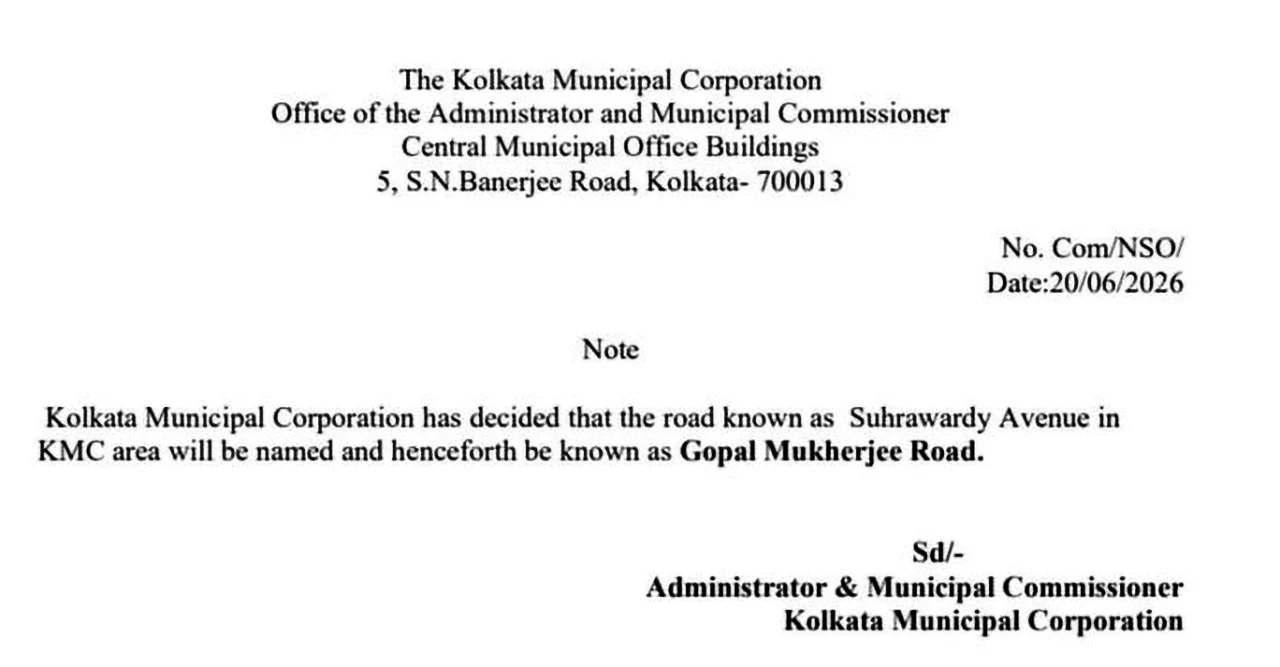
Recently Kolkata Municipal Corporation renamed city’s Suhrawardy Avenue as Gopal Mukherjee Sarani. Government of West Bengal has stated in their Order vide No 2966-ICA(N) Dated : June 10, 2026 — “Pursuant to the Cabinet decision No 28 dated June 3, 2026 of the Govt of West Bengal, it has been decided to observe Paschimbanga Divas (West Bengal Day) on June 20, 2026 in the State in all districts, headquarters and all educational institutions in a befitting manner to commemorate the rich cultural heritage, history and traditions of West Bengal to mark the occasion of the legislative act leading to the creation of the State of West Bengal. The principal objective is to create and sustain public awareness regarding the history of Bengal and the partition of Bengal within India. It also aims to foster greater interest, a sense of responsibility, spirit of fraternity, brotherhood and unity thereby strengthening social cohesion and collective identity towards heritage, culture and legacy of West Bengal.”
Dr Mookerjee demanded the partition of Bengal in 1946 to prevent the inclusion of its Hindu-majority areas in the proposed Muslim-dominated East Pakistan
On June 20, 2026, Chief Minister Suvendu Adhikari announced that Government of West Bengal would set up a memorial at Dr Syama Prasad Mookerjee’s ancestral home in Hooghly’s Jirat and install a 125-foot-tall statue of him in Kolkata. “Your government has decided to preserve Syama Prasad Mookerjee’s ancestral home in Jirat and develop it into a memorial. We will build a library there,” — the Chief Minister said in the presence of Prime Minister Narendra Modi while addressing the first state government event to observe Paschimbanga Divas at Tarakeswar in Hooghly. “Furthermore, your government will install a 125-foot-tall standing statue of Syama Prasad Mookerjee in Kolkata, ensuring that his legacy remains eternal,” he added.
During the maiden state-level ‘Paschimbanga Divas’ observed on June 20, Minister of Parliamentary Affairs and Tourism Dr Shankar Ghosh addressed the West Bengal Assembly, focusing on historical context and political discourse. Dr Ghosh pointed out that landmark historical tragedies like the Calcutta and Noakhali Killings were missing from textbooks. He lamented that it took nearly 80 years for June 20 to receive official government patronage and recognition. While crediting Dr Syama Prasad Mookerjee, he stated that the 1947 Bengal Legislative Assembly decision was a collective effort, emphasising that 58 members had voted in favour of the state (comprising 55 Congress, 3 Communist and 1 Hindu Mahasabha vote). It seems that history cannot be suppressed further. The course of Bharatiya politics has changed. Renaissance is ushering ahead. It is starting to spread once again, and the source of action remains the same. The ‘Promised Land’ uttering the blessed words — “Who lives if Bengal dies? Who dies when Bengal lives?”